Electrical faults are a hidden danger in every home. A sudden power outage, buzzing switch, or burnt smell can quickly turn everyday comfort into a stressful emergency. Understanding the causes of electrical failure, knowing when to seek a professional, and learning safe temporary steps are essential for every homeowner.
This guide will walk you through the common reasons for electrical malfunctions, factors that make them more likely, and how to handle these issues safely. As Sydney’s trusted emergency electricians, Bright Choice is here to get your home powered up and safe.
What are the most common causes of electrical failure in homes?
Electrical failure rarely happens without warning. By recognising the most common causes, you can help prevent unsafe situations and keep your electrical system functioning reliably.
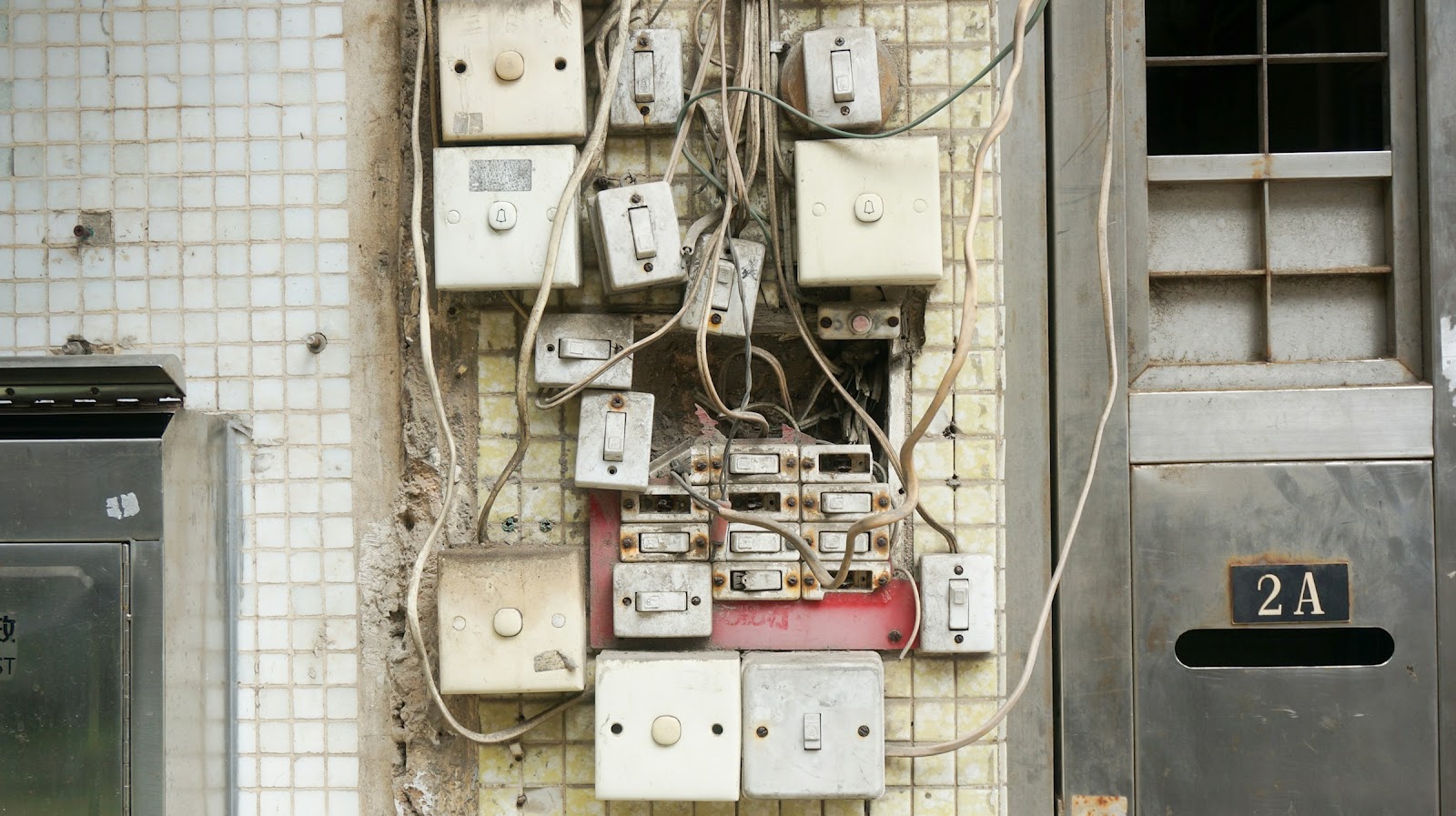
Over time, wiring in homes ages, becomes brittle, or gets damaged. Old wiring is a major cause of electrical faults and can lead to everything from flickering lights to electrical fire risk. Cracked insulation, exposed conductors, or rodent damage can allow the flow of electricity to arc or short, creating danger to both people and property.
Many households use extension leads and power boards and plug in more devices than a single circuit is designed to handle. Overloaded circuits can result in circuit breaker trips, blown fuses, or melted wires. Overcurrent increases the risk of fire and can cause permanent damage to your electrical system.
Plugging in faulty appliances—like a toaster with a short circuit or a heater with loose connections—can overload your circuit or trip the safety switch. Damaged electrical appliances may send a surge of current through the circuit, causing the circuit breaker or fuse to trip and sometimes damaging other equipment linked on the same power line.
Equipment used that does not meet Australian safety standards can also create faults. Low-quality extension leads and adapters may not handle the intended voltage or amperage, leading to electrical risk and even electrical fatalities in severe cases.
Connections in switchboards, sockets, or junction boxes may loosen over time due to vibration or poor workmanship. Loose connections cause heat to build up and interrupt the normal flow of electricity, often resulting in a tripped circuit breaker or even an electrical fire if not detected early.
How do age, weather, and poor installation increase fault risk?
Environmental and human factors are significant contributors to electrical faults in the home. As homes and electrical wiring age, so does the risk of problems. Insulation on cables breaks down, leading to exposure of live conductors. Switches, outlets, and fuse boxes that have seen decades of use may be ill-equipped to handle modern loads, causing unexpected faults.
Lightning, heavy rain, and high humidity can all increase the risk of electrical failure. Storms can send surges down power lines, affecting your home’s electrical system and tripping the main electrical circuit. Water can seep into outdoor wiring or switchboards, causing open-circuit faults or short circuits, both of which can start an electrical fire.
Unqualified electrical work also greatly increases the risk of electrical faults. Incorrectly joined wires, lack of protective earth connections, and poorly installed circuit breakers are a recipe for both inconvenience and disaster. It is illegal and dangerous to do electrical work yourself if you are not a licenced electrician.
In addition, wiring that has been exposed due to renovation, pests, or accidental nail strikes can cause unseen damage. When a cable is pierced, it may at first go unnoticed, but over time, damaged insulation can allow wires to short circuit or create a fault current, increasing the risk of fire or electric shock.
Finally, upgrading to higher-powered appliances without upgrading the circuit or cabling can create an electrical overload. Always consult with a qualified electrician before increasing the electrical load on your system.
How can you diagnose an electrical fault, and when should you call an electrician?
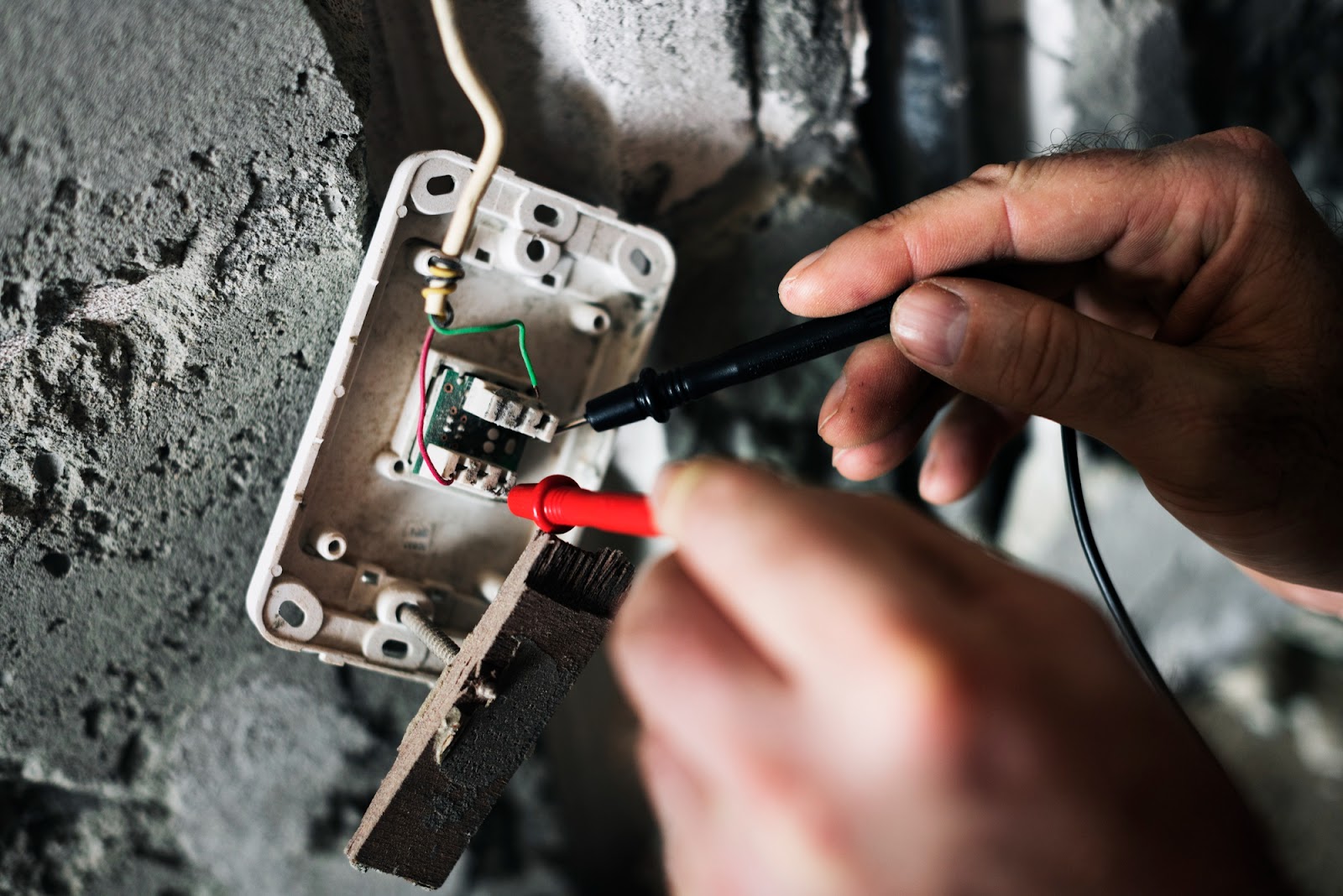
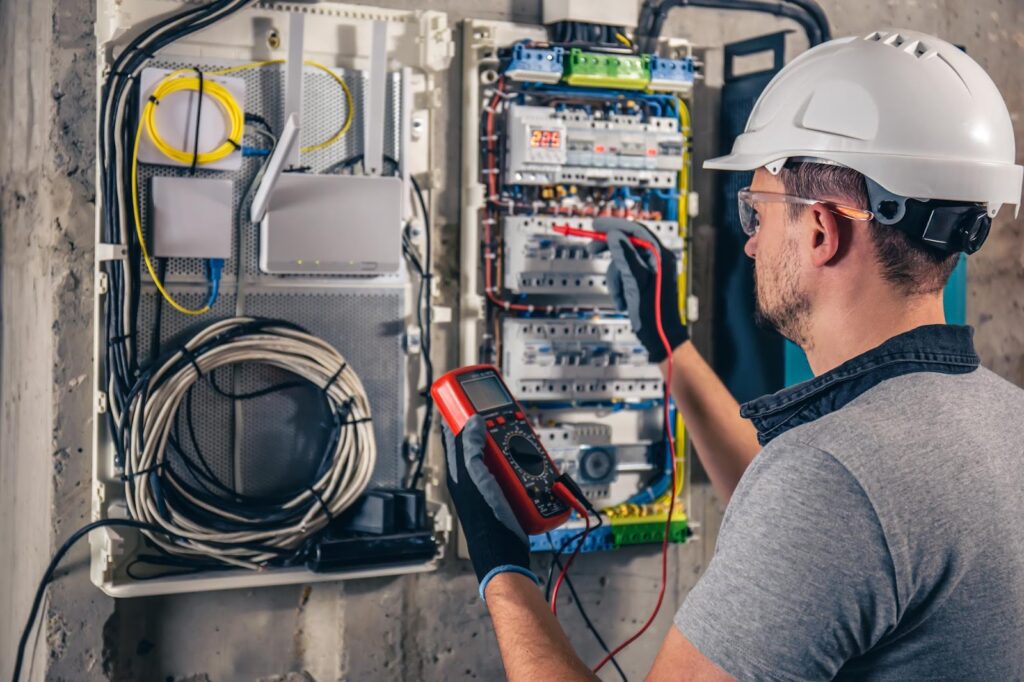
Diagnosing an electrical fault is a matter of safety and skill. Knowing what to look for can help prevent electrical malfunctions or allow you to provide useful information to your electrician during an inspection. Common signs of electrical faults are;
- Circuit breakers or fuses that trip repeatedly
- Flickering, dim, or pulsating lights
- Outlets that are warm, scorched, or emit strange odours
- Buzzing sounds from switches, outlets, or walls
- Appliances that cause power to trip when plugged in
- Unexplained power outage that is not resolved by resetting the main switchboard
- Tingling sensation when touching metal appliances (a sign of faulty earth)
DIY Fault Finding—What’s Safe to Check
If a circuit trips, unplug all appliances and reset the circuit breaker. Plug items in one by one to identify if a particular appliance causes a trip—this may indicate a fault with the equipment used or the outlet itself.
Check visible wiring and outlets for signs of damage, wear, or water exposure. Make sure your hands are dry, and never open electrical panels unless you are qualified to do so. If you see sparks, feel warmth from outlets, or smell burning, turn off your power at the main switch and do not touch the affected area.
When to Call an Electrician
Call a professional electrician immediately if:
- The main switch or circuit breaker will not reset
- You suspect an electrical fire or smell burning plastic.
- You experience regular, unexplained power loss in parts of the home.
- There are signs of water damage in your switchboard or outlets.
- You notice sparks, buzzing, or arcing in the panel or sockets.
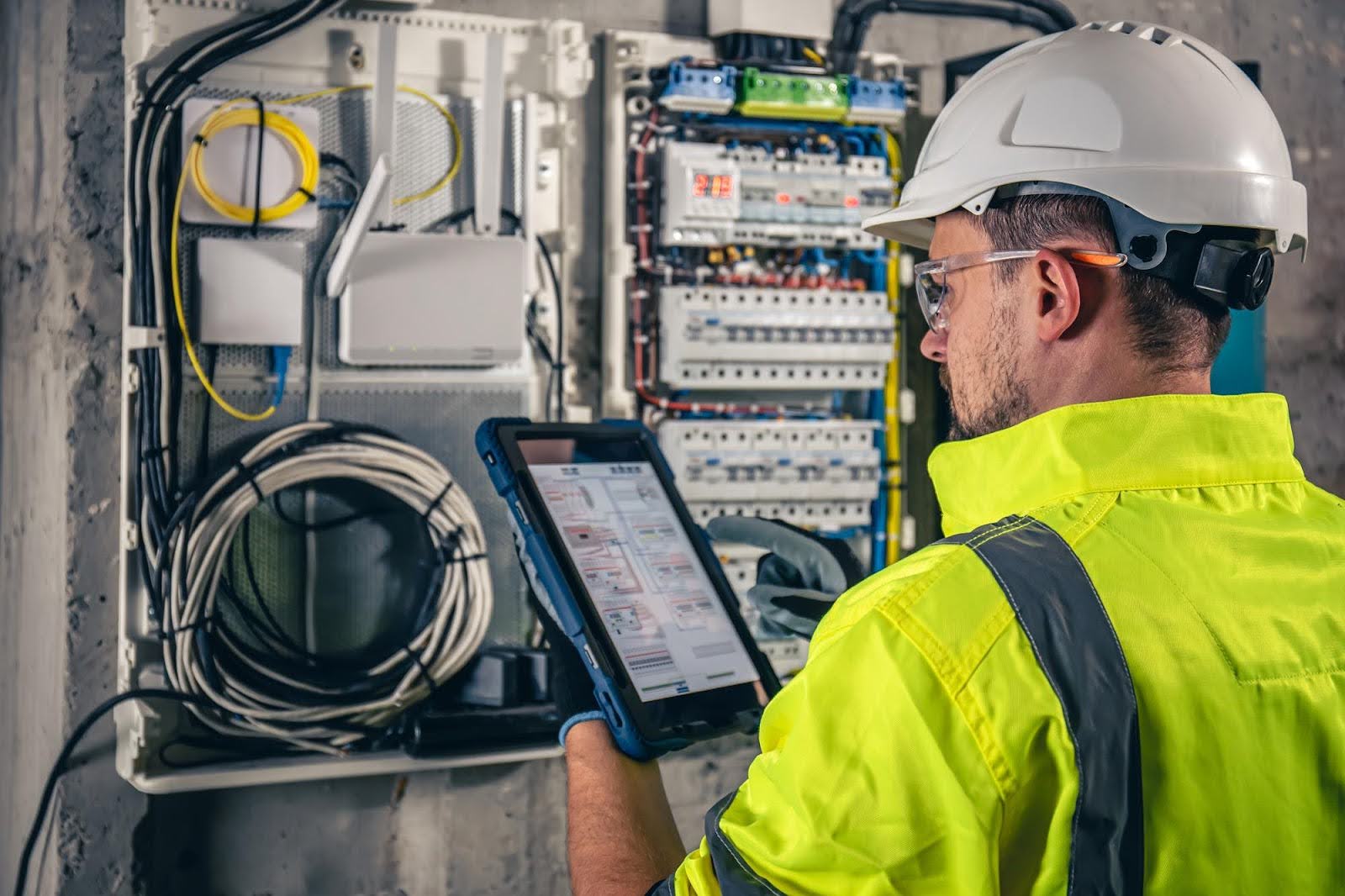
Attempting electrical fault finding beyond simple checks is a serious electrical risk. Licenced electricians have the tools, experience, and authority to work safely inside distribution boards, identify the area of the fault, and carry out the necessary repairs without risk to you or your family.
What temporary safety steps should you take before help arrives?
Electrical emergencies can be distressing, but taking the right steps can prevent danger and keep everyone safe before help arrives.
Turn Off Your Power: If you suspect a major fault, such as smoke, electrical fire, or live wires, head to your main switchboard and turn off the main power supply. This isolates the electrical system and reduces the risk of electric shock, fire, or further damage.
Unplug Appliances and Devices: If the electrical fault is related to a particular room or socket, unplug all devices and appliances from the affected area. Damaged electrical appliances should not be touched if they are smoking, sparking, or making noise.
Do Not Use Water on Electrical Fires: If a small electrical fire occurs, use a dry powder fire extinguisher specifically designed for electrical equipment. Never use water, as this can cause electric shock or spread the fire further through the electrical circuit.
Secure the Area: Keep children and pets away from the affected room or switchboard. Place a sign or barrier to prevent accidental contact with any damaged electrical equipment, wiring, or sockets until a professional has performed a thorough inspection.
Wait for Qualified Help: Do not attempt to repair, open, or replace wiring, circuit breakers, or outlets yourself. Wait for a licenced electrician who can properly assess and address the issue. If you notice smoke or an active burn, contact emergency services as well as your local electrician.
By following these steps, you can minimise potential electrical hazards while waiting for professional assistance.
How can Bright Choice’s emergency repair services help in Sydney?
When a fault occurs suddenly, rapid, expert intervention is essential to prevent electrical risk and restore power safely. Bright Choice Electrical provides emergency repair services across Sydney.
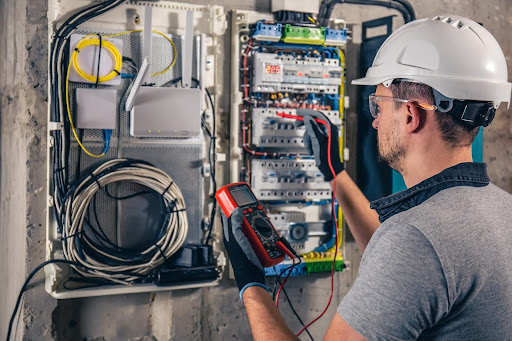
Bright Choice’s experienced electricians specialise in electrical fault finding and emergency repairs for homes and apartments. From diagnosing issues with old wiring and overloaded circuits to repairing damage caused by weather, rodents, or surges, our team brings all the suitable equipment used for testing, inspection, and rapid fault and fix.
Electrical emergencies rarely happen at a convenient time. That’s why Bright Choice offers emergency services for loss of power, recurring trips, and urgent electrical repairs. Our electricians can respond rapidly to restore power, handle dangerous faults, and make your home safe, often within hours.
Our detailed electrical inspection service allows us to identify and fix not only the immediate fault but also underlying issues—like ageing circuit breakers, unsafe wiring, or faulty cable joints—that could cause future electrical failure. We check the condition of electrical equipment and recommend steps to electrical safety.
Bright Choice electricians are fully licenced, insured, and experienced with Sydney’s homes and power system. We prioritise your safety and always provide transparent quotes, honest advice, and high-quality workmanship. Our work ensures compliance with local authorities and Australian standards for all electrical installations and repairs.