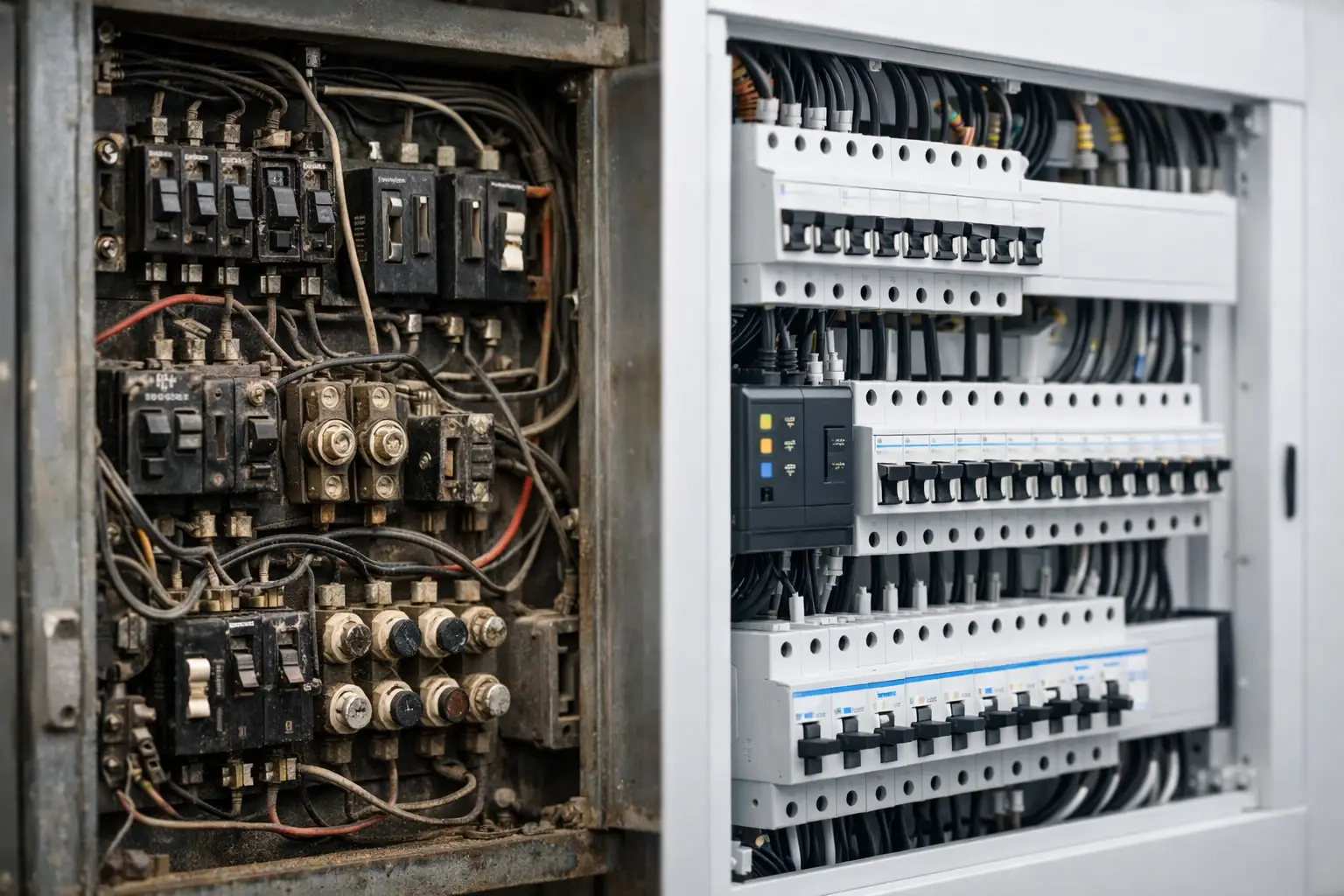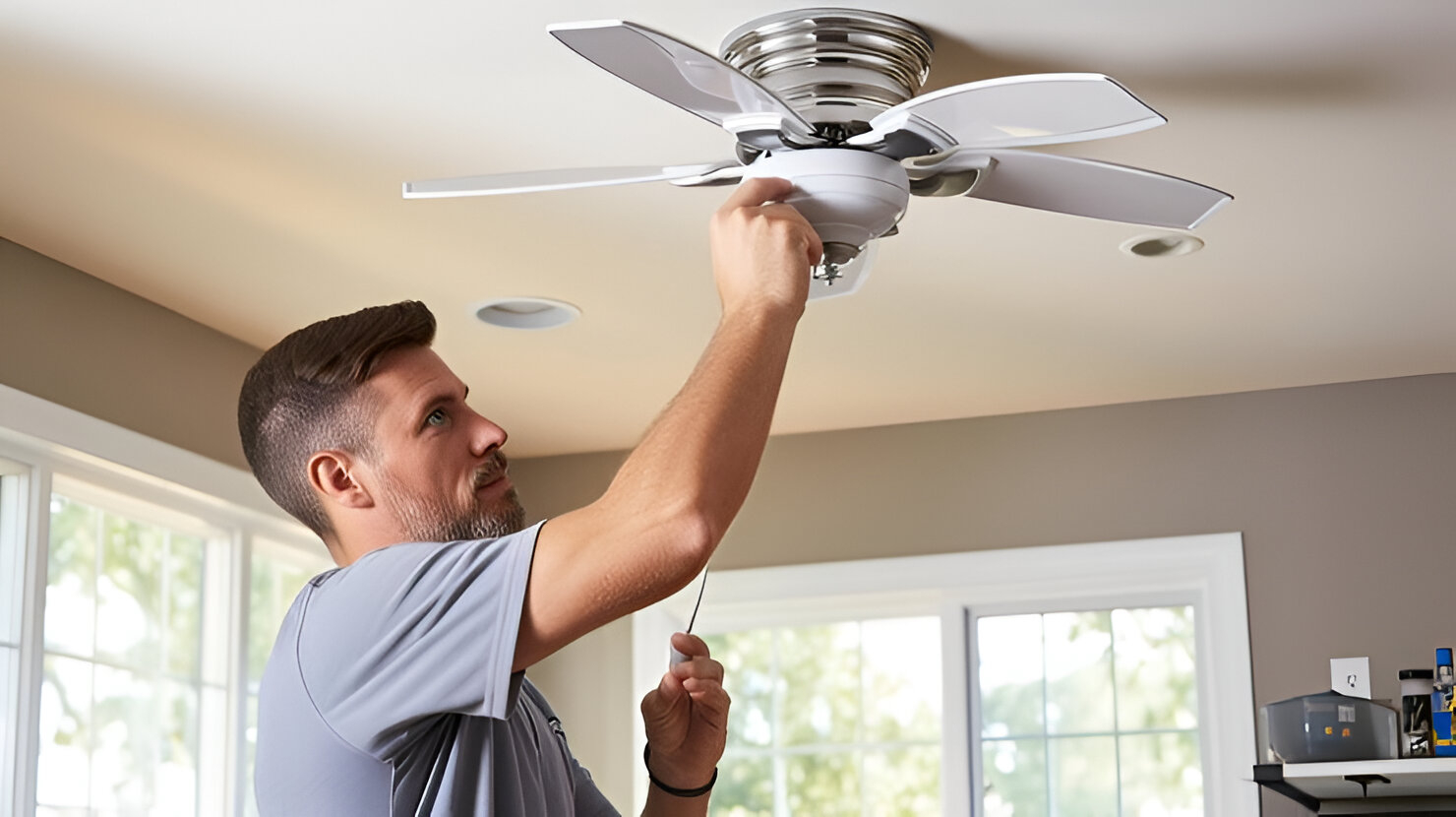
Is your safety switch constantly tripping and leaving you in the dark? Whether it happens when you boil the kettle, turn on the washing machine, or plug in a phone charger, a tripping safety switch can be both frustrating and concerning. This guide explains what a safety switch does, common reasons why it keeps tripping, and crucial steps to take for your safety. You will also learn how to identify the cause, the dangers of DIY electrical work, and why booking a professional electrical safety check is the smartest way forward.
What does a safety switch do, and why does it trip?
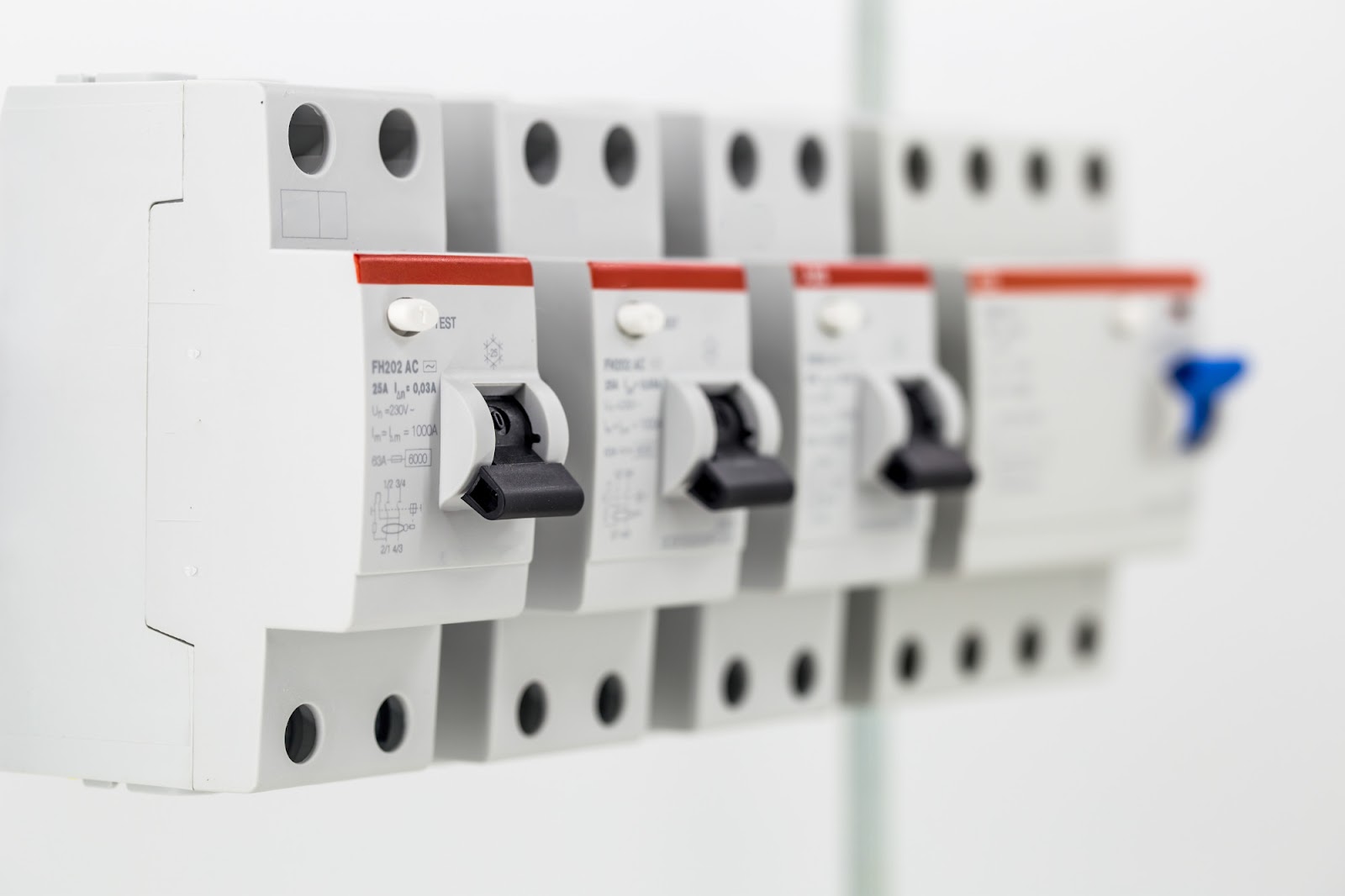
A safety switch, sometimes called a residual current device (RCD), is a critical safety mechanism in your home’s switchboard. Its main job is to protect people from electric shock. The safety switch monitors the flow of electricity through a circuit. If it detects an imbalance or leak—such as electricity flowing through a person to earth—it will immediately trip, cutting off the power to prevent serious injury or death.
Unlike a standard circuit breaker or fuse, which responds mainly to overloads or short circuits, the safety switch specifically protects against electrical hazards that could harm people. Safety switches save lives every year by acting within milliseconds whenever a dangerous situation arises.
A safety switch will trip when it detects:
- A faulty appliance leaking current.
- Damaged wiring or water ingress causing leakage.
- Someone accidentally touching a live wire.
- Overloaded or poorly maintained electrical systems.
If your safety switch keeps tripping, it is a sure sign that something is wrong—either with the wiring, an appliance, or the system itself. The repeated tripping is your home’s way of saying, “something is not safe.”
Which appliances and habits cause safety switches to trip?
Some electrical appliances and daily habits are notorious for causing safety switches to trip. Understanding these can help you track down the culprit when your switch flips off.
Common appliances that trigger trips:
- Kettles and toasters: Water, crumbs, or internal breakdowns create leaks.
- Washing machines and dishwashers: Moisture and vibration can lead to faults.
- Water heaters and pool equipment: Heating elements attract limescale or rust, which causes leaks.
- Fridges and freezers: Old or overloaded motors can leak current.
- Portable heaters and air conditioners: Faulty or old wiring trips safety switches quickly.
Habits that cause nuisance tripping:
- Overloading power boards with too many devices at one power point.
- Using extension leads for heavy appliances meant for dedicated circuits.
- Not unplugging faulty appliances (such as suspect chargers or lamps).
- Running outdoor tools or equipment after rain, when plugs or leads may be wet.
- DIY electrical work that results in loose connections or incomplete wiring.
Everyday use, especially in households with many appliances always running, increases the likelihood of a tripping safety switch. If certain devices always seem to trip the safety switch, they could be the first place to start your investigation.
How can you test and reset a safety switch safely?
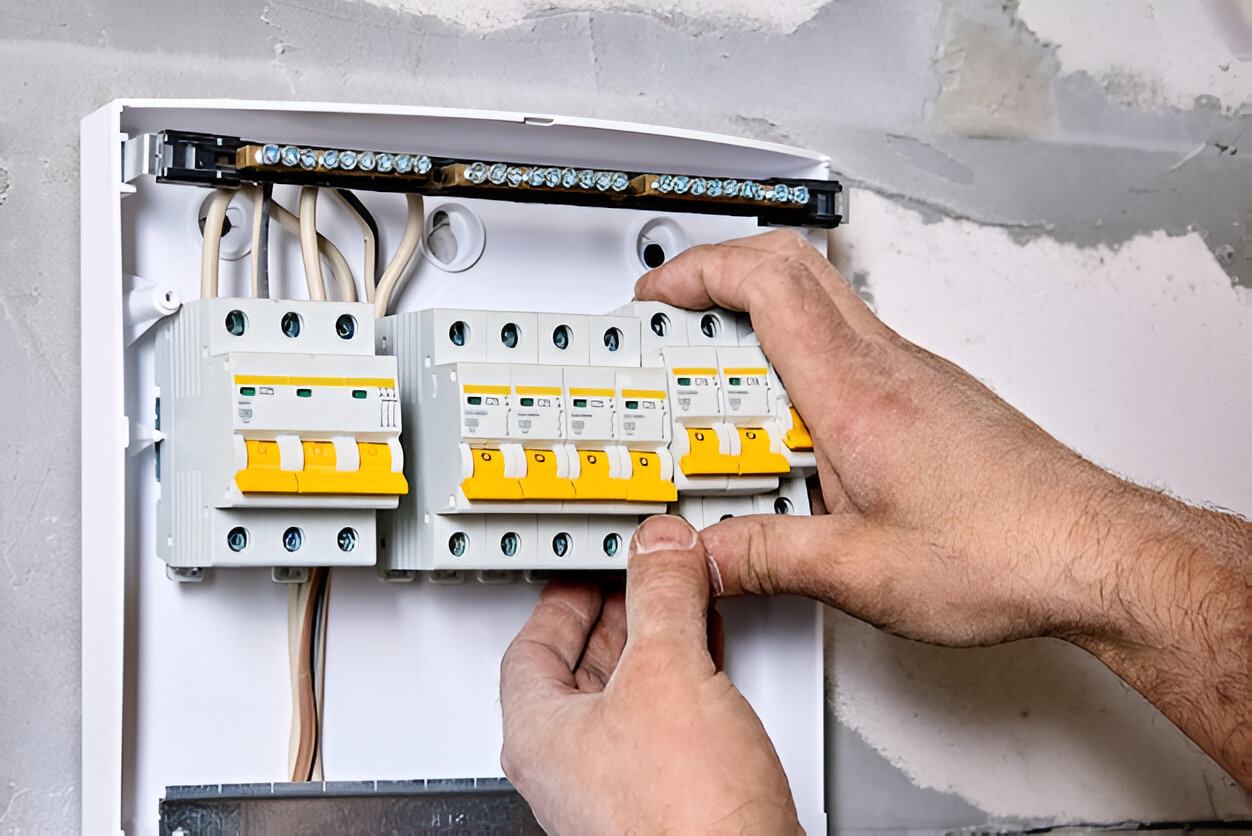
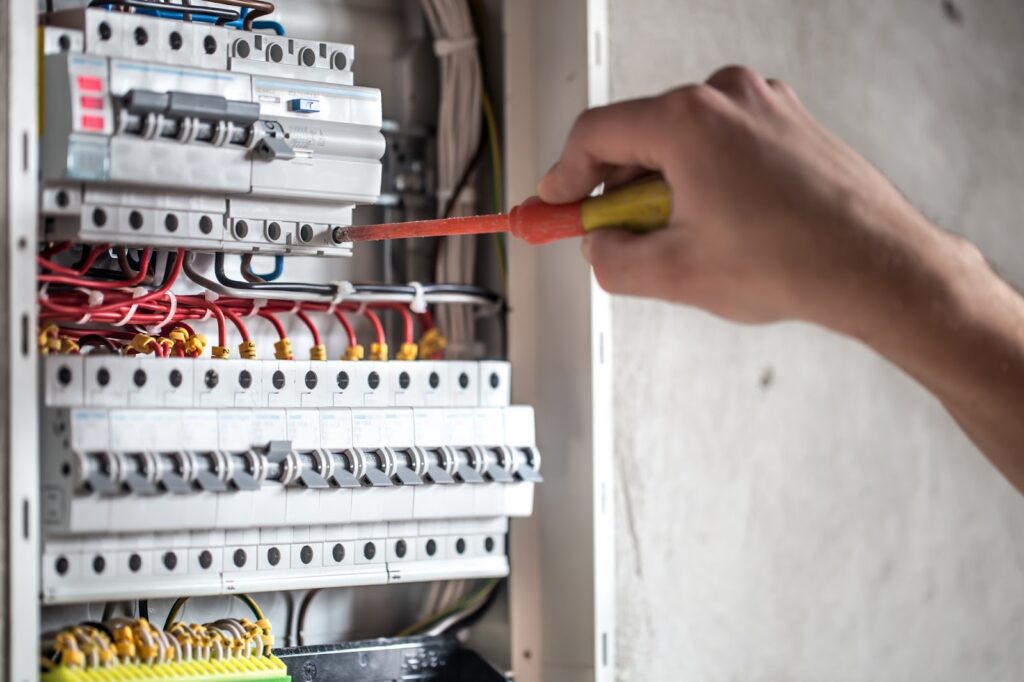
If your power goes out and you see the safety switch in the switchboard is “off,” do not panic. Follow these safe steps to test and reset the switch.
Testing Your Safety Switch
Testing your safety switch helps you know it is working before an emergency arises. To test your safety switch (RCD):
- Find your switchboard and locate the safety switch. It usually has a “test” button.
- Press the test button. If the switch trips immediately, it is working.
- Reset the switch by flicking it back to the “on” position.
Safety switches should be tested every three months. If the switch does not flick off or reset, you may have a faulty safety switch or deeper electrical fault and should call an electrician.
Resetting After a Trip
If your safety switch has tripped:
- Turn off and unplug all appliances on the affected circuit.
- Go to the switchboard and check if the safety switch is sitting on “off.”
- Try to reset the switch by flicking it back to “on.”
- Plug appliances back in one at a time. If the switch trips when a certain device is plugged in, that appliance is likely faulty.
Never force a switch that does not flick, or reset the switch repeatedly without unplugging appliances first. If the safety switch will not stay “on,” contact a licenced electrician immediately.
Step-by-Step Guide on How to Isolate the Problem Circuit
Sometimes, identifying the exact cause of a tripping safety switch requires a systematic approach. Here’s a safe step-by-step method to help:
- Unplug All Appliances
- Unplug every appliance connected to the circuit that is protected by the safety switch. This includes hidden items such as chargers, alarm clocks, and even fridges.
- Unplug every appliance connected to the circuit that is protected by the safety switch. This includes hidden items such as chargers, alarm clocks, and even fridges.
- Reset the Safety Switch
- Try resetting the switch. If it stays “on,” plug appliances back in one by one.
- Try resetting the switch. If it stays “on,” plug appliances back in one by one.
- Check Each Appliance
- After plugging each appliance in, wait for a minute or two. If the safety switch trips after plugging in a particular device, you have identified a possible faulty appliance.
- After plugging each appliance in, wait for a minute or two. If the safety switch trips after plugging in a particular device, you have identified a possible faulty appliance.
- Test Power Points Individually
- If unplugging everything does not solve the issue, the problem may be in a power point or internal wiring. Leave all appliances unplugged and contact a licenced electrician for further investigation.
- If unplugging everything does not solve the issue, the problem may be in a power point or internal wiring. Leave all appliances unplugged and contact a licenced electrician for further investigation.
- Isolate by Circuit Breaker
- Some switchboards have separate circuit breakers for different areas of the home. Reset the safety switch, then turn each circuit breaker back “on” one by one. If one breaker causes the switch to trip, that circuit may be faulty.
Important: If the switch trips immediately, even with all appliances unplugged, there might be faulty wiring, a damaged safety switch, or water inside a power point. Do NOT attempt further fixes yourself.
The Dangers of DIY Fixes and Overloading Outlets
Electrical safety is not a place to cut corners with DIY solutions. Trying to repair a tripping safety switch without proper training can create new hazards or make the fault worse.
DIY Dangers:
- DIY wiring or swapping safety switches risks electric shock or house fire.
- Using paper clips, wire, or other objects to jam the switch “on” bypasses the safety mechanism and is extremely unsafe.
- Unscrewing power points or accessing the switchboard without training is illegal and voids insurance in case of an incident.
Risks of Overloading Outlets:
- Plugging too many devices into one power point or using multiple double adapters/heavy extension cords can cause circuit overload, heat build-up, and electrical fires.
- Overloaded power sockets can create nuisance tripping and damage both appliances and the electrical system over time.
When Not to DIY:
- If you cannot find the cause yourself, or if the safety switch keeps tripping no matter what you unplug, always call a licenced electrician. Modern homes are protected by safety switches for a reason—they are a first line of defence, not a cure for repeated electrical faults.
When is frequent tripping a sign of a serious electrical problem?
If your safety switch is constantly tripping, it could signal a deeper electrical issue. Ignoring frequent trips, or simply flipping the switch back every time, can mask dangerous underlying faults.
Possible Severe Problems:
- Old or degraded wiring in walls, especially in older homes.
- Water leaking into power points or behind walls (often after rain or leaks).
- Persistent electrical faults linked to rodents chewing through insulation.
- Faulty or worn-out safety switches that do not offer reliable protection.
- Combination of poor wiring and power-hungry appliances (sometimes in kitchens or outdoor power points).
Electrical Safety Risks:
- Repeated tripping can indicate too much current or a leakage to earth, putting you at risk of electric shock.
- Hidden faults can overheat wires, leading to a risk of electrical fire.
- Ignoring the problem allows minor issues to develop into larger, costlier repairs.
When to Call an Electrician:
- The safety switch will not reset or stay off despite unplugging all devices.
- There is a burning smell, buzzing at the switchboard, or visible sparks.
- The switch trips during rain or when outdoor equipment is used.
- You feel tingling or get a mild shock from taps, appliances, or metal fittings.
Never underestimate the seriousness of a recurring tripping safety switch.
How Bright Choice Quickly Gets to the Root of Tripping Safety Switches
Bright Choice Electrical is trusted across Sydney for fast, effective electrical services. When your safety switch keeps tripping, we are ready to provide professional fault finding and repairs to keep your home safe.
Our Process:
- Thorough Safety Inspection: Our licenced electricians check the switchboard, wiring, and every circuit for obvious and hidden faults.
- Appliance and Circuit Testing: We unplug and test every potential culprit—appliance, power point, and circuit breaker—to identify exactly where the leak or trip is coming from.
- Advanced Diagnostics: Using the right tools, we can trace leaks, test residual current, and even detect moisture in walls or behind power points.
- Transparent Reporting and Quotes: We explain the issue in plain English, provide a clear solution, and quote with no hidden costs.
- Quick, Safe Repairs: Whether it is faulty wiring, a broken appliance, a worn-out safety switch, or a combination of issues, we fix the fault and test the system for full safety before leaving.
With Bright Choice, you get more than a quick fix—you get peace of mind knowing your electrical systems are truly safe.
Book a Full Electrical Safety Check Today
A tripping safety switch could be the warning you need before a bigger electrical hazard strikes. Do not ignore it or risk DIY fixes when your safety is at stake. Book a full electrical safety check with Bright Choice.
Our electricians will inspect every circuit, test all safety switches, and repair any faults—leaving your home protected and you free from worry. Do not wait for the next power outage or safety scare: get your home checked by the experts today.