Electrical safety is a critical but often overlooked aspect of maintaining a safe and comfortable home or business. Ignoring the risks associated with faulty or outdated electrical systems can lead to serious accidents, including electric shocks, fires, and costly property damage. Many people wonder how they can tell if their electrical setup needs a professional safety check, and there are clear warning signs you should never ignore. If you have flickering lights, circuit breakers that trip frequently, or notice burning smells near power points, it’s time to consider a thorough electrical safety inspection.
In this article, we’ll explore why timely electrical safety checks are essential, how often you should schedule them, and the common hazards discovered during inspections. Whether you are a homeowner, landlord, or business operator, understanding the scope and significance of electrical safety inspections will keep your environment safe and compliant with Australian standards. You’ll learn what a professional electrical inspection involves, risks posed by old wiring, differences in regulation for residential versus commercial properties, and how to choose a reputable licenced electrician for your safety needs.
How Often Should You Get Electrical Safety Checks in Australia?
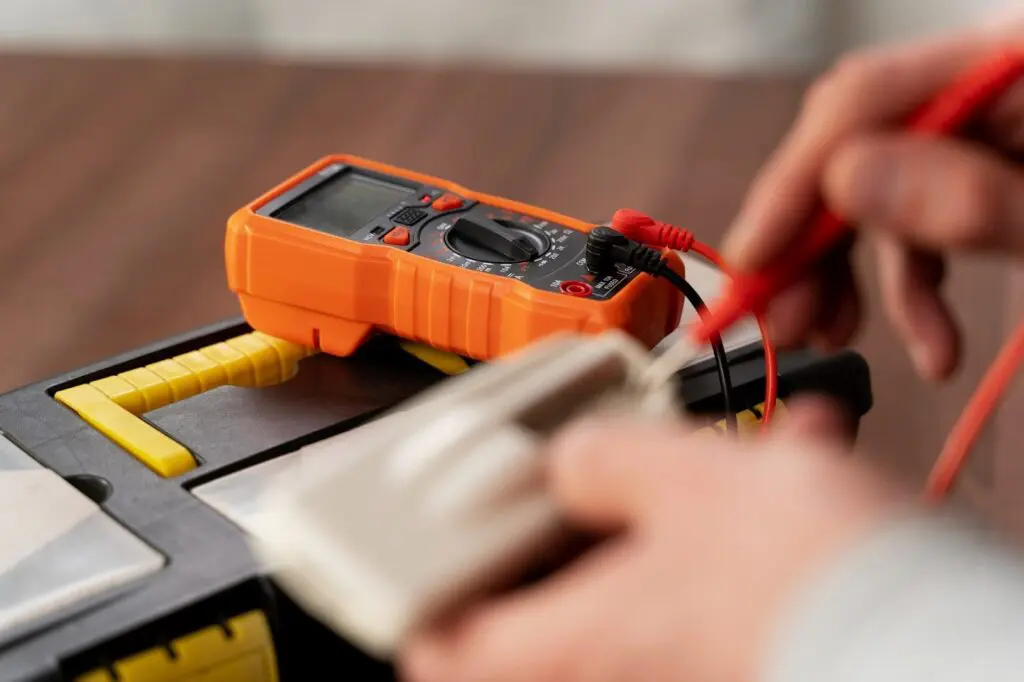
Australian industry guidelines recommend getting an electrical safety check for your home or business at least once every two years, but for many households, annual inspections are considered the best practice. Regular inspections help identify faults before they become emergencies, keeping electrical systems operating safely and efficiently.
Certain tenancy and rental agreements legally require landlords or rental providers to carry out electrical safety checks within specified timeframes, often every two years. This protects renters from electrical hazards, ensures compliance with tenancy laws, and helps landlords maintain insurance coverage.
The growing focus on electrical safety reflects increased awareness of risks associated with ageing wiring, faulty appliances, and improper DIY electrical work in homes. Regular checks have become an industry standard and are vital for ensuring peace of mind.
For businesses, safety check frequency might vary depending on workplace size, electrical load, and compliance requirements, with many opting for more frequent checks to prevent downtime and liability issues.
Red Flags That Signal You Need an Electrical Inspection
Recognising early warning signs can prevent major electrical problems and accidents. Here are some common red flags telling you it’s time for an electrical safety check:
- Flickering lights, buzzing outlets, or frequent breaker trips: These symptoms often indicate unstable electrical circuits, loose wiring, or overloaded circuits.
- Burning smells or discoloured switches/outlets: A burning or acrid smell near outlets or switches is an urgent sign of overheating wires or components and should never be ignored.
- Malfunctioning safety switches (RCDs): If your safety switch trips frequently or doesn’t trip when you suspect an overload, your home’s electrical safety mechanisms could be compromised.
- Electric shocks when touching electrical equipment: Any shock sensation, even mild, means your electrical system is unsafe and requires immediate professional inspection.
Ignoring these warning signs puts your property and loved ones at significant risk of electrocution, fire, and disrupted power supply.
What Electrical Safety Checks Involve
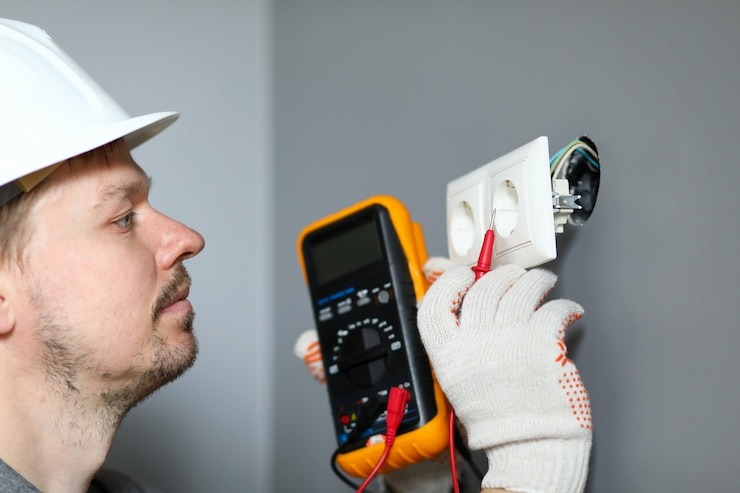
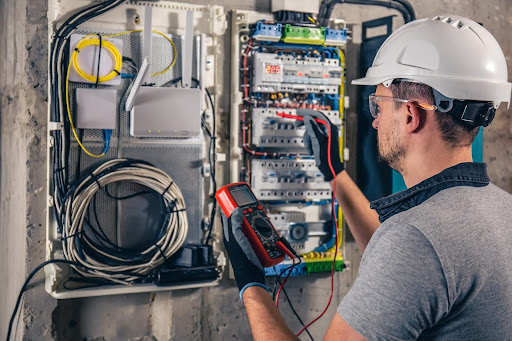
A professional electrical safety check is a comprehensive inspection and testing process performed by licenced electricians to protect your home or business. Here’s what typically happens:
- Inspection of electrical circuits, outlets, and switches: The electrician examines your wiring, wall sockets, switchboards, and lighting circuits for any visible damage, wear, or poor workmanship.
- Testing of electrical equipment: Using specialised testing devices, electricians check for proper insulation, correct circuit function, and whether residual current devices (RCDs) are working as they should.
- Checking for compliance with electrical safety standards: The electrician ensures your electrical installations and fittings meet Australian wiring rules (AS/NZS 3000) and local regulations relevant to your property.
- Identifying hidden faults: Faults behind walls or in inaccessible areas can be discovered using test instruments, helping pinpoint hazards before they cause fires or shocks.
This inspection culminates in a detailed report outlining any defects, recommended repairs, and confirmation of safety—providing you with clear, actionable information.
Why Old Wiring Dramatically Increases Risks
Older homes often contain outdated wiring that poses a heightened electrical safety risk. Wiring materials degrade over time, insulation cracks, and connections loosen, increasing the chance of short circuits or overloads.
Outdated wiring and old fuse panels may no longer comply with current safety codes or support modern electrical demands. Without frequent checks, these systems can lead to flickering lights, failing appliances, safety switch failures, or even electrical fires.
Regular electrical safety inspections by a licenced electrician are vital for older houses. They ensure any worn or damaged wiring is detected, and repairs or rewiring can be advised as necessary. This proactive approach reduces fire risk and improves overall electrical safety.
When updating your home’s wiring or upgrading safety switches, professionals guarantee replacement cable installation to the highest standards, enhancing your home’s electrical safety for modern life.
Residential vs. Commercial Electrical Safety Service
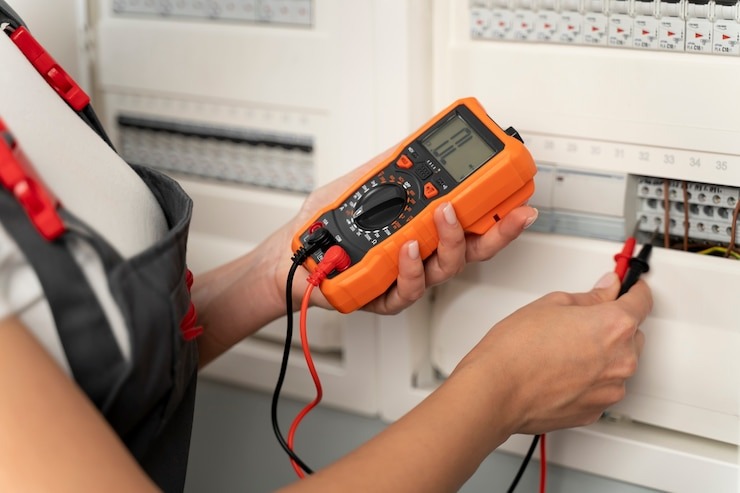
Electrical safety services differ between homes and commercial properties because their electrical needs and regulations vary.
In residential settings, safety inspections primarily focus on power outlets, lighting circuits, switchboards, and appliances to ensure the home environment is safe for family living. This also includes smoke alarms and hot water systems.
For commercial properties, regulations like workplace health and safety standards impose stricter requirements. Businesses must ensure comprehensive inspections of electrical equipment, wiring systems, and emergency power supplies. This protects employees, customers, and assets while reducing business liabilities.
Rental providers are legally obliged under the Residential Tenancies Regulations 2021 to schedule regular electrical safety checks for tenant safety. Property managers and landlords benefit from these inspections by preventing electrical faults and maintaining insurance compliance.
Common Hazards Found During Inspections
Electrical safety inspections frequently uncover several hazards, including:
- Loose or damaged wiring: Bare or frayed wires increase electric shock and fire hazards.
- Overloaded circuits: Too many devices on one circuit can cause breakers to trip and wires to overheat.
- Faulty or malfunctioning residual current devices (RCDs): These safety switches may fail or trip incorrectly, compromising protection.
- Outdated electrical panels: Old switchboards may not have enough capacity or modern safety features to handle electrical demand safely.
- Electrical products not compliant with standards: Uncertified or damaged appliances and fittings cause additional risk.
- Gas and electrical hazards: Unsafe gas appliances can interact dangerously with electrical faults, making joint safety inspections important.
Finding and resolving these risks early prevents accidents and costly property damage.
How Skipping Electrical Checks Can Cost You
Many people avoid electrical safety checks due to perceived cost or inconvenience, but skipping them can lead to:
- Void insurance claims: Insurance providers may refuse claims if electrical faults caused damage and there isn’t proof of regular inspections.
- Legal risks for landlords: Failure to comply with tenancy laws requiring safety checks can result in fines and legal disputes.
- Costly damage repair: Unchecked electrical faults can cause fires or equipment damage that needs expensive repairs.
- Danger to lives and property: Ignoring or delaying safety checks jeopardises you, your family, employees, and property.
The affordable cost of regular inspections pales in comparison to the financial and emotional toll of a preventable electrical disaster.
Why Electrical Safety Checks Save Money Long-Term

Investing in electrical safety inspections delivers tangible long-term benefits:
- Early fault detection: Catching issues like wiring degradation or faulty circuits early prevents expensive emergency repairs.
- Business continuity: For commercial electrical systems, avoiding downtime from power failures or hazardous faults protects your income.
- Enhanced property value: A well-maintained electrical system improves property resale appeal.
- Peace of mind: Knowing your home or business meets safety standards reduces worry and protects your loved ones.
Regular checks safeguard your entire electrical system to run safely and efficiently for years.
Contact Bright Choice Electrical Today
If you’ve never had an electrical safety check or it’s been over two years, now is the time to act. Bright Choice Electrical provides professional, thorough electrical safety inspection services for Sydney homes and businesses.
Our licenced electricians carry out inspections with care and precision, ensuring compliance with Australian safety standards. We offer clear reports, timely advice, and effective repair options tailored to your electrical needs.
Schedule your electrical health checks with Bright Choice Electrical today and keep your property safe, compliant, and powered reliably.
Conclusion
Electrical safety checks are essential for every home and business. Regular inspection and testing ensure your electrical system remains compliant, safe, and efficient. Recognising warning signs such as flickering lights, tripping breakers, burning smells, or shocks can protect you from fire hazards or electrical faults.
Never delay professional electrical services when it comes to your safety. Licenced electricians possess the tools, training, and expertise to detect, diagnose, and fix electrical hazards—ensuring your peace of mind today and tomorrow.