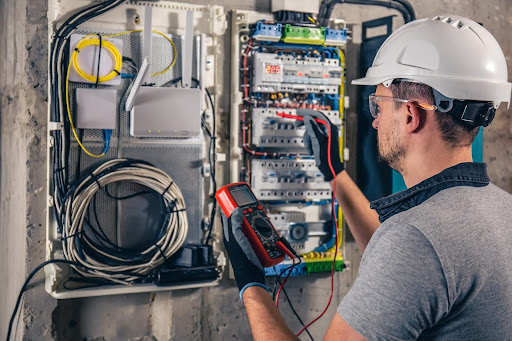
Electric hot water systems demand qualified electrical expertise at every stage—from initial installation through ongoing maintenance and troubleshooting. DIY electrical work on water heaters creates serious safety hazards, including electrocution, fire risks, and insurance-voiding outcomes. Licensed electricians understand the intricate relationship between electrical circuits, water heating elements, safety switches, and Australian Standards compliance that amateur work inevitably compromises.
This guide explains what makes electric hot water service installations complex, which components require professional electrical attention, and how to recognise when your existing hot water system needs electrical upgrading rather than complete replacement. Understanding these requirements helps property owners make informed decisions whilst avoiding the costly mistakes that come from attempting electrical modifications without proper qualifications.
Types of Electric Hot Water Systems: Storage, Instantaneous, and Hybrid Units
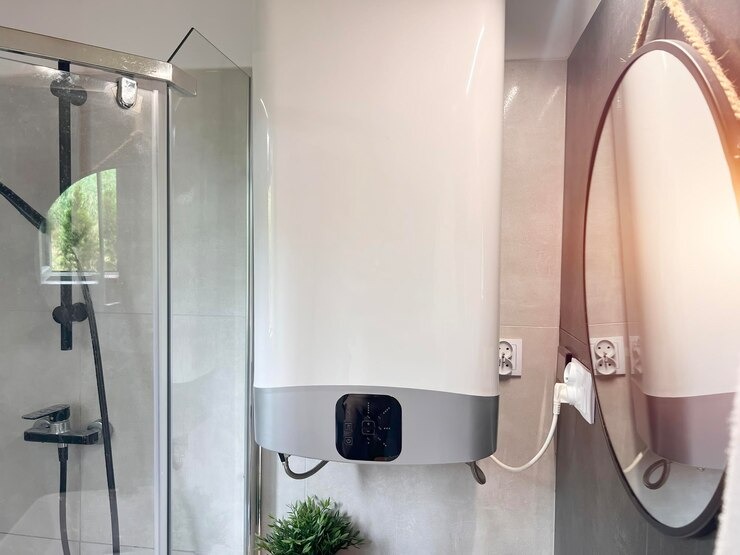
Electric storage systems use insulated tanks holding 80-400 litres of heated water. Standard electric storage hot water systems maintain constant water temperature through thermostatic control, consuming electricity continuously to offset heat loss through tank walls.
Electric instantaneous units heat water on demand without storage tanks. These continuous flow water heaters provide hot water instantly as taps open, eliminating the need for a storage tank and associated standby energy consumption.
Electrical Demand Differences Between System Types
Storage system power requirements range from 2.4 kW to 4.8 kW for typical residential installations. These moderate loads allow connection to standard household circuits in most cases. The heating element cycles on and off as the thermostat maintains the preset water temperature, creating intermittent rather than constant electrical draw.
Continuous flow hot water systems demand substantially higher instantaneous power—anywhere from 15 kW to 27 kW for whole-house models. This massive electrical requirement necessitates heavy-gauge wiring, dedicated high-capacity circuits, and often switchboard upgrades to accommodate the load. Many electric continuous flow installations exceed the capacity of older home electrical systems entirely.
Heat pump hot water systems present unique electrical profiles. The compressor draws 1-2 kW whilst operating, considerably less than traditional electric water heaters despite its larger physical size. However, heat pump systems require specific wiring configurations, including proper earthing and circuit protection matched to compressor motor characteristics.
Hybrid units combining storage with heat pump technology offer compromise solutions. These systems heat water primarily via heat pump during off-peak periods, switching to electric element backup during peak demand. The dual heating sources mean electricians must wire for both power sources with appropriate switching mechanisms and safety protection for each circuit.
Minimum Electrical Requirements for Safe Installation
Dedicated circuits prevent overloading household wiring. Hot water systems cannot share circuits with other appliances or lighting. A standard electric storage system typically requires a 20-amp dedicated circuit, whilst instantaneous systems demand 40-60 amp circuits depending on unit capacity. These circuit requirements protect wiring from overheating and ensure an uninterrupted supply of hot water without tripping breakers.
Amperage calculations depend on element wattage and voltage. A 3.6kW element at 240V draws 15 amps, requiring minimum 20-amp circuit protection with an appropriate safety margin. Instantaneous units heating water on demand might draw 27 kW, translating to over 100 amps—an enormous load requiring heavy-duty wiring that residential properties rarely support without significant upgrades.
Double-pole isolation switches provide complete disconnection from mains power. These mandatory switches cut both active and neutral conductors simultaneously, ensuring genuine electrical isolation during maintenance. Single-pole switches that disconnect only the active conductor leave dangerous neutral paths that can energise equipment unexpectedly. Proper isolation switch placement allows safe servicing without accessing the main switchboard.
Why Safety Switches Are Mandatory for Modern Installations
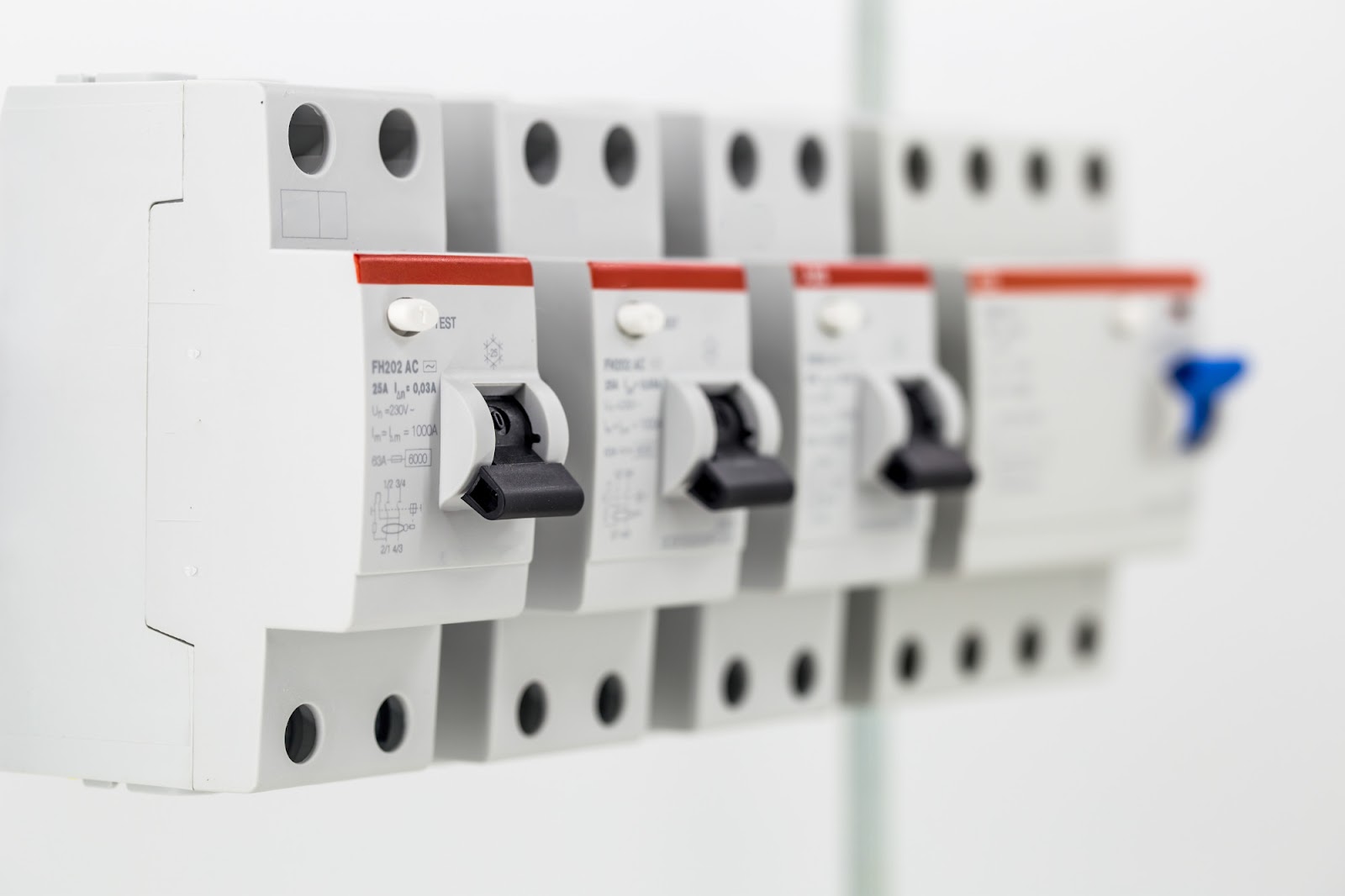
Residual current devices (RCDs) detect current leakage, indicating potential electrocution risks. Water and electricity create lethal combinations—any fault allowing current flow through water paths to earth can kill instantly. Safety switches monitoring these leakage currents trip within milliseconds when detecting imbalances exceeding 30 milliamps, fast enough to prevent fatal shocks.
Australian Standards mandate RCD protection for all new electric hot water system installations and major modifications to existing systems. This requirement reflects decades of electrical safety evolution following numerous fatalities from unprotected water heaters. Older homes with electric storage tanks predating these regulations should have RCDs retrofitted during any electrical work—the life-saving benefit outweighs the installation cost many times over.
Testing and maintenance keep safety switches functional. RCDs can fail mechanically or electrically without obvious symptoms. Licensed electricians test these devices during installation and recommend regular testing by homeowners using the test button. Non-functional safety switches provide false security whilst leaving occupants vulnerable to electrocution from water heater electrical faults.
When to Call an Electrician Versus When Plumbers Handle Work
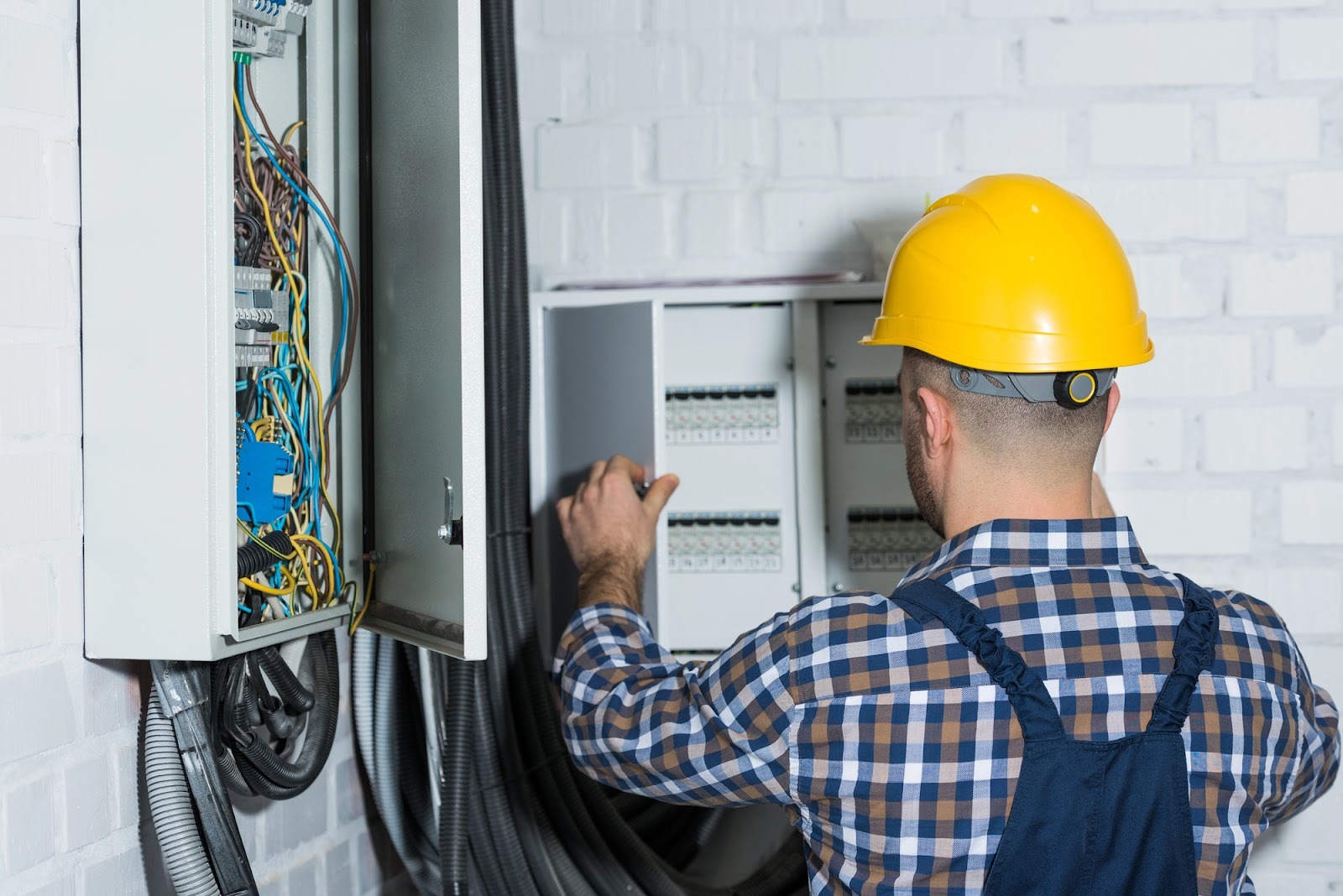
All electrical connections require licensed electrician involvement. This includes wiring from the switchboard to the hot water heater, installing isolation switches, connecting heating elements, wiring thermostats, and testing safety switch operation. Plumbers legally cannot perform these electrical tasks regardless of experience—Australian regulations mandate electrical licensing for any work on electrical circuits.
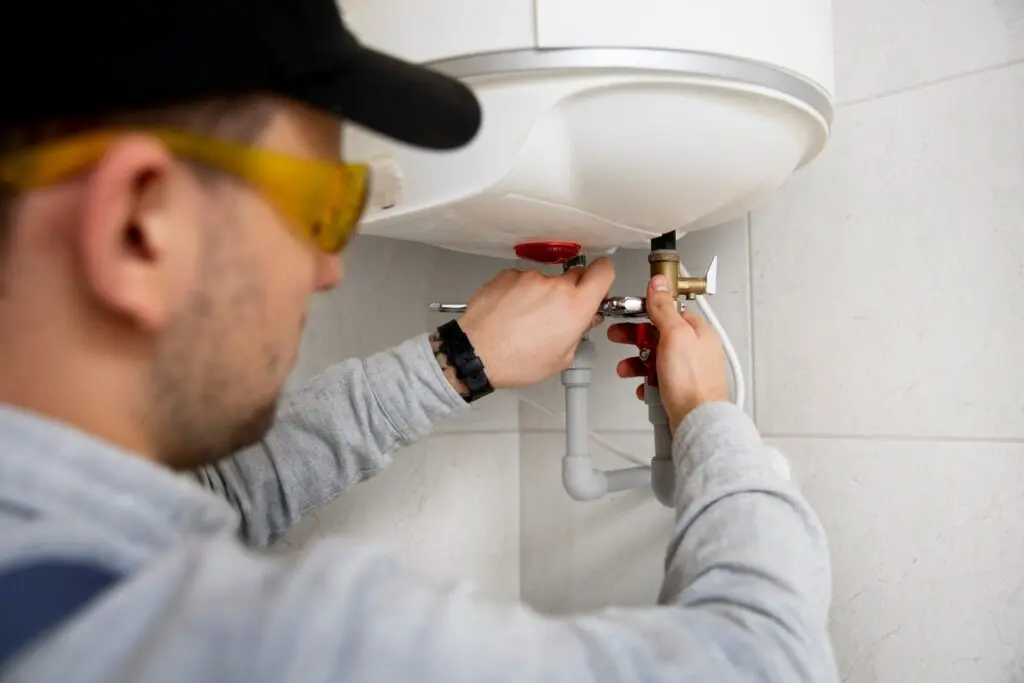
Plumbers handle water pipe connections, pressure relief valve installation, tempering valve fitting, and drain line configuration. The boundary between trades occurs where water pipes meet the unit and where electrical conduits terminate. Both trades typically attend installation nearly simultaneously, coordinating their respective scopes without crossing licensing boundaries.
Continuous flow hot water system installations particularly demand trade coordination. The water heater location affects both hot water delivery performance and electrical installation costs. Placing units closer to main switchboards reduces electrical wiring expenses but might extend hot water pipes. These trade-offs require discussion between homeowners, electricians, and plumbers before system installed positions get finalised.
Troubleshooting failures requires diagnostic expertise. No hot water might stem from electrical element failure, thermostat malfunction, tripped circuit breakers, or plumbing supply issues. Electricians test electrical components, whilst plumbers assess water flow and pressure. Attempting self-diagnosis wastes time and risks incorrect part replacement when a qualified assessment would identify root causes immediately.
Signs Your Electric Hot Water Service Needs Electrical Upgrading
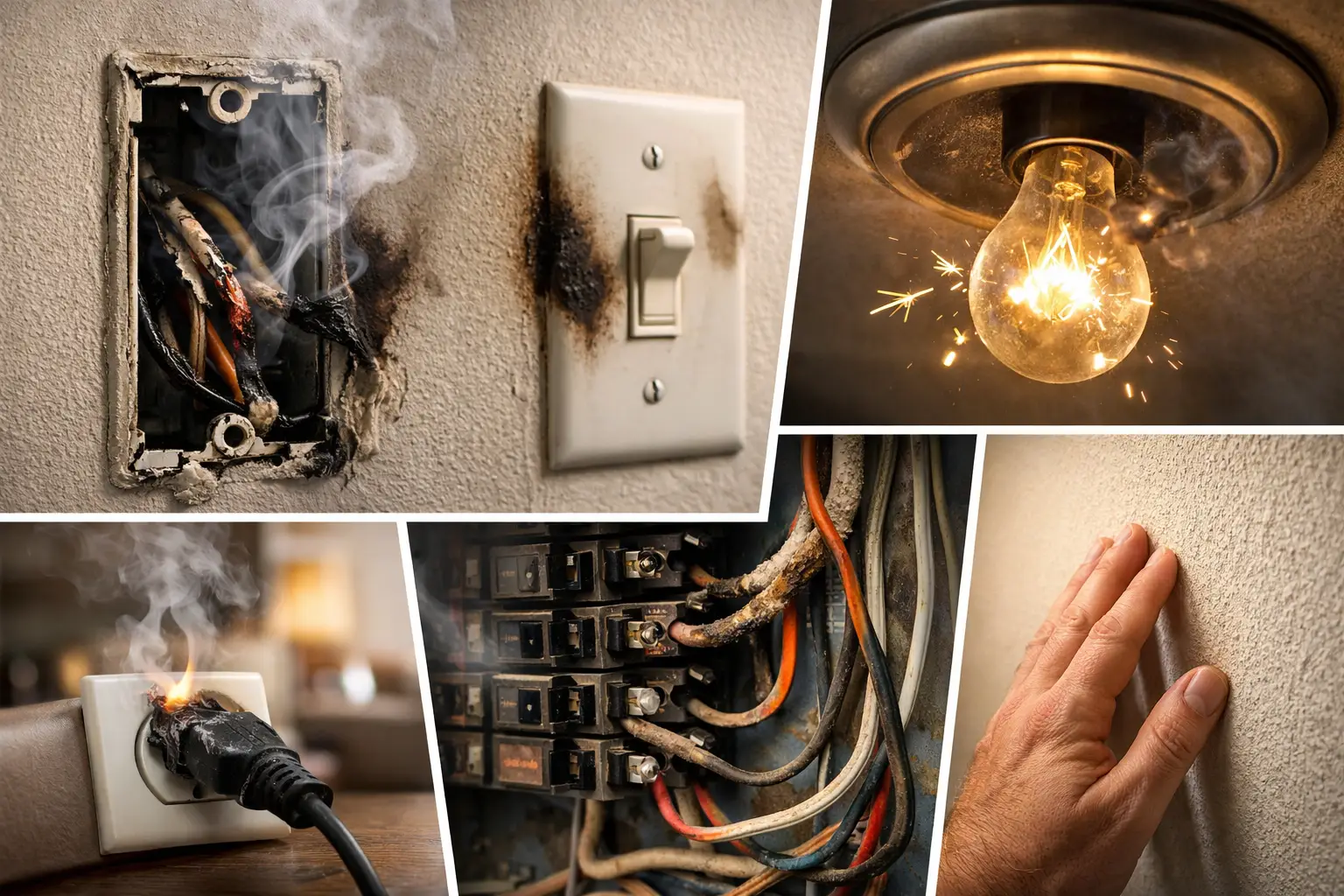
Circuit breakers tripping repeatedly indicate undersized electrical protection or wiring inadequacy. As electric water heaters age, element efficiency declines, causing longer heating cycles and increased electricity consumption. Circuits borderline adequate during initial installation might fail to handle degraded equipment drawing more current to heat water to the same temperature.
Inconsistent water temperature suggests thermostat or element problems requiring electrical assessment. Thermostats controlling electric storage system heating cycles fail gradually, causing temperature swings between too hot and lukewarm. These control failures represent electrical issues separate from the storage tank itself—replacing expensive tanks unnecessarily when simple thermostat replacement would restore function wastes thousands of dollars.
Corrosion around electrical terminals signals moisture intrusion requiring immediate attention. Water seeping into electrical connections creates short-circuit risks and progressive damage to wiring and control components. Catching these issues early through regular inspection prevents catastrophic electrical failures that could damage entire hot water systems beyond economical repair.
Inadequate hot water supply might reflect electrical rather than capacity issues. A 250-litre electric storage hot water system should adequately serve a family of four. If you’re running out of hot water despite adequate tank size, suspect element failure reducing heating capacity rather than insufficient storage. Single-element failure in dual-element systems cuts heating performance in half whilst consuming similar electricity—expensive inefficiency masquerading as inadequate capacity.
Ensuring Your Switchboard Supports New Electric Hot Water Systems
Older switchboards lack capacity for modern instantaneous systems. Homes built before 2000 typically feature 60-80 amp main switches sized for lower household electrical demands. Adding a 27 kW instantaneous hot water unit exceeding 100 amps instantaneous draw requires complete switchboard upgrades, including heavier main switches, additional circuit capacity, and often service mains upgrades coordinated with electricity distributors.
Circuit availability limits installation options. Switchboards with no spare circuit positions cannot accommodate additional dedicated circuits without panel upgrades or circuit consolidation. This constraint affects both new installations and electric storage system replacements where modern safety regulations mandate dedicated circuits that original installations omitted.
Three-phase power availability expands instantaneous system options. Many high-capacity continuous flow systems operate on three-phase electricity, distributing the electrical load across multiple phases rather than overloading single-phase circuits. Properties without three-phase service must either arrange connection upgrades through electricity providers or select lower-capacity single-phase instantaneous units, accepting their flow rate limitations.
Contact Bright Choice Electrical for Professional Installation and Safety Compliance

Bright Choice Electrical specialises in electric hot water system electrical installations, meeting all Australian Standards requirements. Our licensed electricians assess your existing electrical infrastructure, recommend appropriate hot water system types your property can support, and perform all electrical work, including circuit installation, safety switch fitting, isolation switch mounting, and final compliance testing.
We coordinate with plumbers during installations, ensuring seamless service delivery without communication gaps or scheduling conflicts. Our systematic approach verifies electrical capacity before ordering equipment, preventing the disappointment of discovering your preferred hot water system exceeds your electrical infrastructure capabilities only after purchase.
Safety compliance checks protect your family and property investment. We test all safety devices, verify proper earthing, confirm isolation switch functionality, and provide certification documenting work completion to Australian Standards. This paperwork proves invaluable for insurance claims, property sales, and regulatory inspections.
Contact Bright Choice Electrical today for a professional assessment of your hot water needs and electrical capacity. We’ll explain your options clearly, provide transparent pricing, and ensure your new hot water system operates safely and efficiently for years to come.