
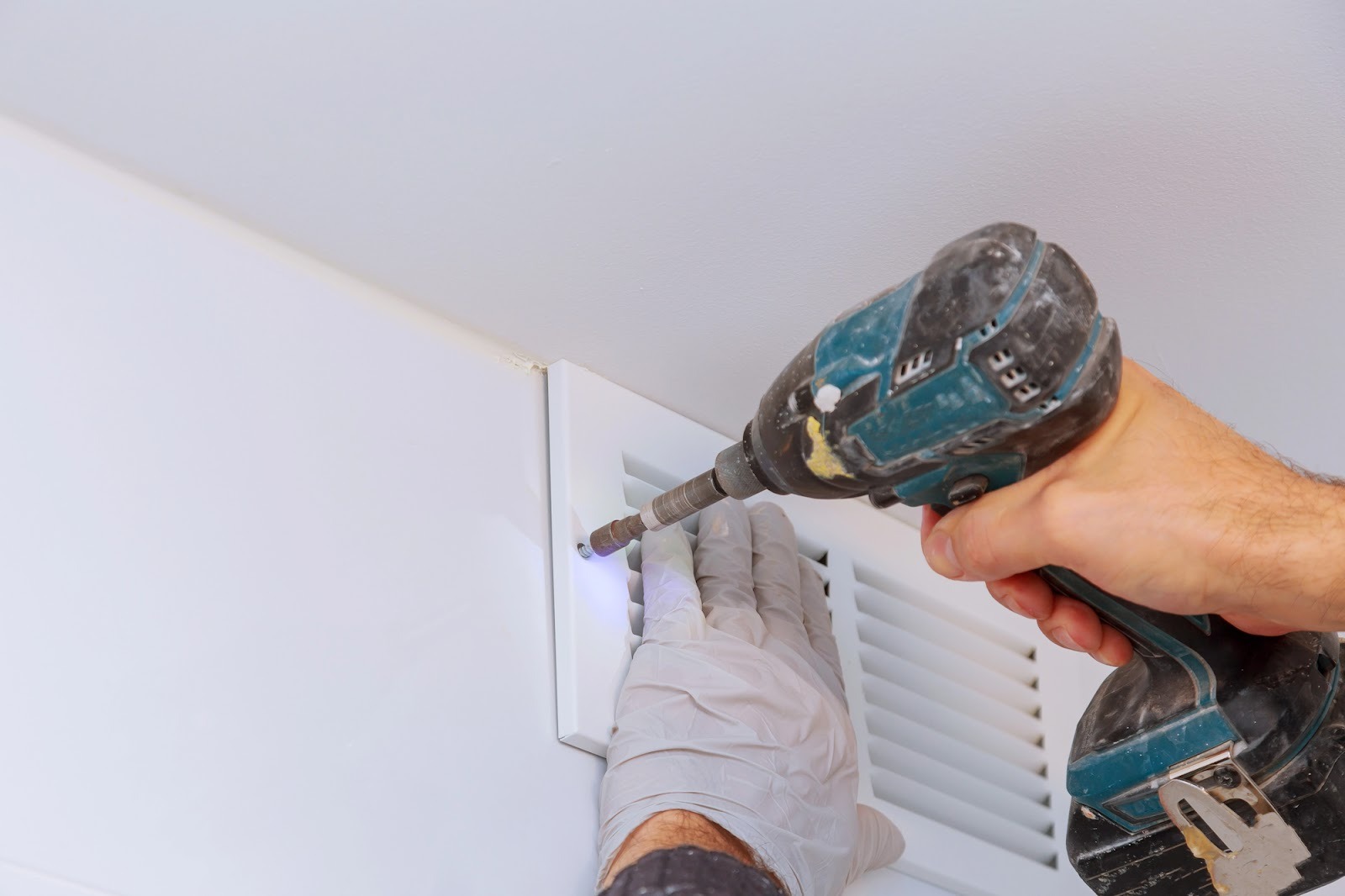
Bathroom exhaust fan installation falls squarely under electrical work requiring licensed electrician involvement. These seemingly simple devices connect to household electrical circuits, demand proper wiring through wall cavities or ceiling spaces, and create safety hazards when installed incorrectly. DIY attempts routinely violate building codes, void insurance coverage, and create fire risks through improper wire connections or inadequate motor mounting.
Australian regulations classify bathroom exhaust fan installation as electrical services requiring appropriate licensing and compliance certification. Even switching an existing fan involves working with live electrical connections that can electrocute untrained individuals. This guide explains what proper bathroom fan installation entails, why professional service protects your home and family, and how qualified electricians ensure code-compliant ventilation.
Why Exhaust Fans Require Licensed Electrical Installation
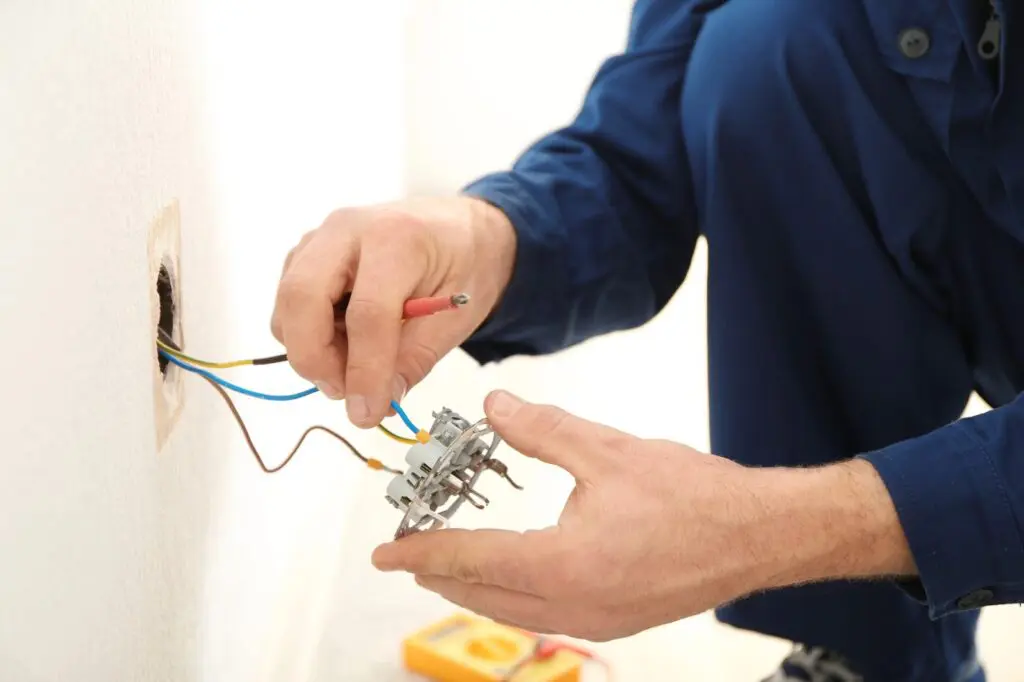
Electrical connections present lethal hazards. Bathroom exhaust fans operate on 240V mains power, requiring proper wire sizing, circuit protection, and earthing. Moisture from showers and baths increases electrocution risks when wiring faults occur. Licensed electricians understand these unique hazards and install systems meeting Australian Standards for wet area electrical installations.
Building regulations mandate compliance certificates for electrical work. Installing bathroom exhaust fan systems without proper certification creates insurance complications if house fires or electrical faults occur. Property sales can fail when building inspectors discover uncertified electrical modifications. The paperwork electricians provide protects property value and legal compliance.
Types of Bathroom Exhaust Fans: Ceiling, Inline, and Wall Units
Ceiling exhaust fans mount directly in bathroom ceilings, ducting air into roof cavities or through exterior vents. These common installations provide effective moisture removal whilst maintaining a low visual profile. Standard ceiling models fit between joists, limiting placement flexibility but simplifying ducting requirements.
Inline exhaust fans install remotely in attic spaces or roof cavities, connected to bathroom intake points via ducting. This configuration places noisy motors away from living areas whilst allowing flexible vent positioning. Multiple bathrooms can share single inline units through branched ducting, reducing motor count and electrical load.
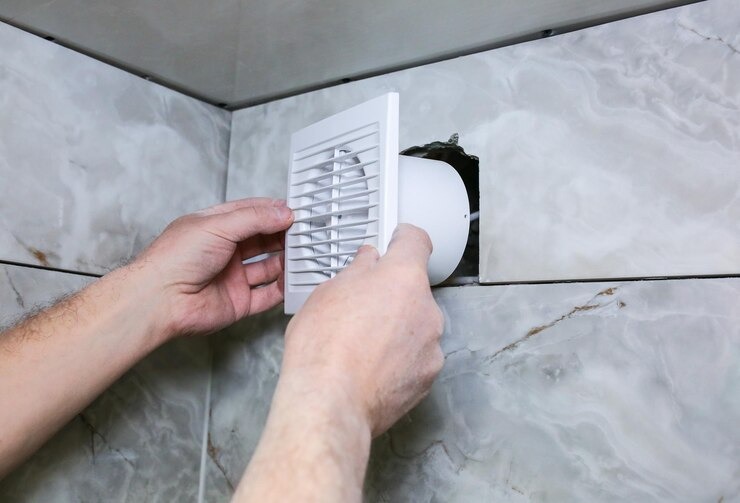
Wall-mounted units exhaust directly through external walls without ducting. These fans suit situations where ceiling or attic access proves impractical. Installation involves cutting through wall structures and creating weatherproof external housings. Electrical work includes wire routeing through walls and proper sealing against moisture infiltration.
Electrical Load Considerations Before Installation
Motor specifications determine circuit requirements. Bathroom exhaust fans typically draw 0.3-1.5 amps depending on size and features. Combined heat-fan-light units consume substantially more—heating elements alone can draw 10-15 amps. Electricians assess existing circuit capacity before installation to prevent overloading that trips breakers or creates fire hazards.
Shared circuits require careful load calculation. Adding exhaust fans to circuits serving lighting or other bathroom equipment demands verification that total amperage stays within circuit ratings. Older homes with limited circuits often require dedicated circuit installation to support bathroom ventilation safely.
Three-in-one units complicate electrical planning. Combining ventilation, heating, and lighting in single ceiling fixtures creates convenience but demands proper electrical design. Each function requires appropriate switching, correct wire gauging for heating elements, and transformer integration for low-voltage lighting components. These complex installations highlight why bathroom fan installation demands electrical expertise.
Wiring Requirements: Circuits, Isolators, and Combination Units
Dedicated circuits provide the safest installations. Modern building codes increasingly mandate separate circuits for bathroom exhaust fans, particularly when combined with heating elements. This approach prevents circuit overload and ensures ventilation continues operating even when other bathroom electrical components fail.
Isolator switches enable safe maintenance. These switches, typically mounted outside bathrooms, allow complete power disconnection before accessing fan motors or electrical components. Proper isolator installation gives homeowners and future electricians safe service access without switchboard interaction.
Heat-fan-light combinations demand sophisticated wiring. Three separate switching circuits control individual functions whilst sharing ceiling mounting. Heating element circuits require heavy-gauge wire, lighting circuits need appropriate transformer connections, and fan motors require proper capacitor wiring. Getting these electrical interconnections correct prevents component damage and safety hazards.
Low-voltage lighting integration adds complexity. Many modern bathroom ceiling exhaust fans incorporate LED lighting running on 12V or 24V. Electricians must install appropriate transformers, ensure proper heat dissipation, and verify transformer ratings match combined loads. Incorrect voltage supply destroys expensive LED components instantly.
NSW Building Code Requirements for Wet Areas
Moisture zones dictate equipment specifications. NSW building codes classify bathroom areas by moisture exposure levels, with different electrical standards applying to each zone. Equipment mounted near showers requires higher ingress protection ratings than fans positioned away from direct water spray.
Minimum ventilation rates apply to bathroom spaces. Building codes specify air changes per hour based on room size, mandating exhaust fans with adequate CFM ratings. Undersized exhaust fans fail compliance inspections even when properly installed. Electricians familiar with these requirements select appropriately rated units, preventing compliance failures.
RCD protection covers all bathroom electrical installations. Residual current devices detecting earth leakage must protect bathroom circuits, including exhaust fans. This mandatory safety measure prevents electrocution from equipment faults allowing current paths through water or moisture. Professional installation ensures proper RCD integration.
Fan Switching and Control Options
Basic manual switches provide simple on-off control. Wall-mounted switches near bathroom entries give occupants direct fan operation. This straightforward approach works well but depends on users remembering to activate ventilation during showers and deactivate it after moisture clears.
Timer switches automate operation. These controls activate fans for preset periods, ensuring adequate ventilation without manual monitoring. Timers prevent premature fan shutdown whilst moisture remains, addressing the common problem of occupants switching off exhaust fans too early.
Humidity sensors provide automatic moisture-responsive operation. These controls detect rising moisture levels during showers and activate exhaust fans automatically. Sensors continue operating until humidity drops to preset thresholds, optimising moisture removal without user intervention. This technology particularly benefits rental properties where occupants might neglect ventilation.
Low-noise models suit bedroom-adjoining bathrooms. Modern brushless motors and aerodynamic blade designs reduce operational noise significantly compared to older fan technology. Electricians can recommend quiet options for installations where noise disturbs sleeping areas.
Why Placement Matters for Effective Airflow
Position determines moisture removal efficiency. Ceiling exhaust fans installed near shower areas capture steam as hot air rises, maximising moisture extraction. Fans positioned away from moisture sources work harder achieving similar results, running longer and consuming more electricity.
Joist spacing limits ceiling fan placement. Standard construction places timber joists at 450mm or 600mm centres, creating confined spaces for fan housing. Electricians assess joist positions before cutting ceiling openings, ensuring fan housings fit without structural modifications. Incorrect positioning requiring joist cutting compromises ceiling integrity.
Ducting run length affects performance. Longer duct runs increase back-pressure reducing airflow and motor efficiency. Each 90-degree bend in ducting further restricts flow. Professional installation minimises duct length and bends, maintaining rated fan performance. Poor ducting design can reduce actual airflow by 40-50% despite properly sized fans.
Common Risks from Incorrect or Unlicensed Bathroom Fan Installation
Fire hazards stem from improper wiring. Undersized wire carrying motor loads overheats within wall cavities, igniting timber framing and insulation. These hidden fires smoulder for hours before becoming visible, often causing extensive structural damage before detection. Proper wire sizing prevents this catastrophic risk.
Moisture damage results from inadequate ducting. Exhaust fans venting into attic spaces rather than outdoors deposit moisture where it causes mould growth, timber decay, and insulation damage. This mistake creates unhealthy air quality and expensive remediation costs. Licensed contractors ensure ducting terminates outside building envelopes.
Electric shock risks increase with DIY work. Bathroom environments combine water and electricity dangerously. Amateur installations often omit proper earthing, RCD protection, or appropriate moisture sealing. These shortcuts create lethal hazards that licensed electricians systematically avoid through proper technique and equipment selection.
Get Code-Compliant Bathroom Exhaust Fan Installation from Bright Choice Electrical
Bright Choice Electrical provides expert exhaust fan installation services covering all bathroom ventilation needs. Our licensed electricians assess your bathroom layout, recommend appropriate fan types and capacities, and install systems meeting all NSW building codes. We handle electrical connections, ducting installation, switch mounting, and final compliance certification.
Our wide range of bathroom exhaust fans includes standard ceiling models, quiet inline systems, wall-mounted units, and sophisticated heat-fan-light combinations. We’ll help you select the right type of fan for your bathroom size, moisture exposure, and noise tolerance. Get a free quote today for professional bathroom exhaust fan installation that protects your home.
Renovation work? We specialise in bathroom exhaust fan replacement, upgrading old noisy units to modern efficient models. Our electricians coordinate with bathroom contractors during renovations, ensuring ventilation installs integrate seamlessly with tiling, plumbing, and lighting work. Contact us for expert installation in kitchen and bathroom areas of your home.
Book your local exhaust fan installation with Bright Choice Electrical—professional service, code compliance, and lasting performance guaranteed. Call now for your quote today.