Picture this: you’re working from home on a deadline when suddenly everything goes dark. Your computer shuts down mid-sentence, the fridge stops humming, and your Wi-Fi router blinks off. Before panic sets in or you call an electrician, understanding whether you’re dealing with a network issue or a household electrical fault saves time and money.
Most Sydney residents immediately assume power outages stem from Ausgrid or Endeavour Energy network problems, but often the issue lives within your own switchboard. Simple troubleshooting steps help identify whether you’re waiting for utility crews or need a qualified electrician to inspect your home’s electrical system. Here’s how to safely diagnose what’s happening when the power goes out.
Confirming If the Outage Is Local or Network-Wide
Check your neighbours first. Walk outside and see if streetlights remain on and if surrounding homes have electricity. If multiple properties sit in darkness, you’re likely experiencing a network outage affecting your area. This simple visual check takes seconds and immediately narrows down the problem source.
Access the outage map online through your electricity provider’s website. Ausgrid serves much of Sydney’s network, whilst Endeavour Energy covers Western Sydney and the Blue Mountains. Both utilities maintain real-time outage maps showing current power outages, planned maintenance schedules, and estimated restoration times. These maps reveal whether your postcode appears on the current outage list.
Visit your energy provider’s outage page for detailed information. You can check specific addresses, view planned outage notifications sent to your account, and report unplanned power interruptions. Some providers offer SMS alerts for registered account holders, notifying you when outages occur and when crews restore supply.
Safe Steps to Check Your Home’s Electrical System
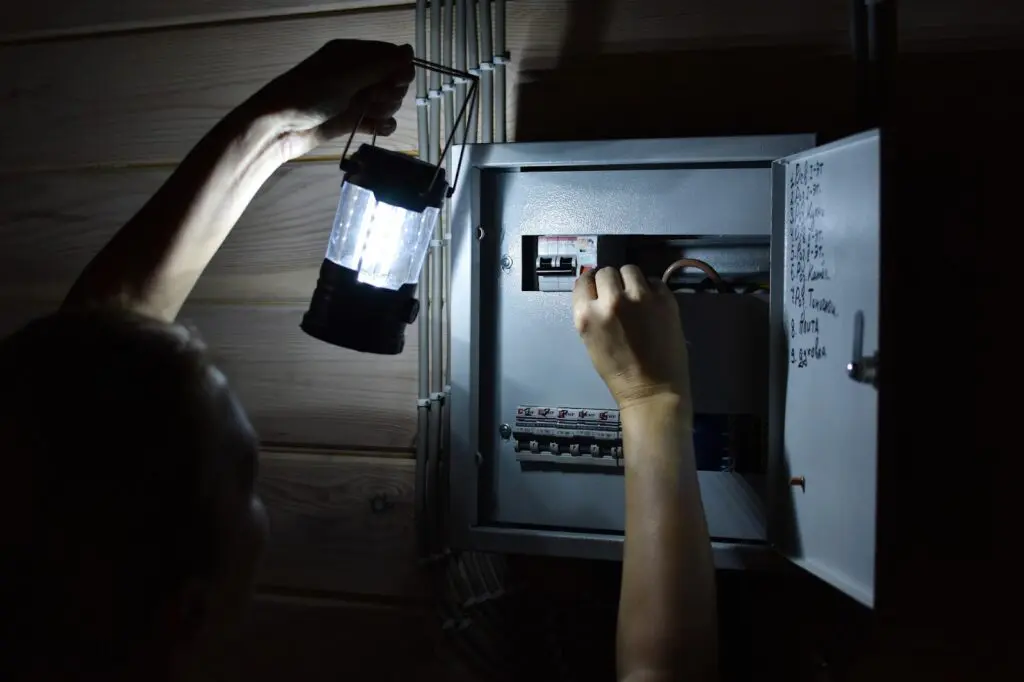
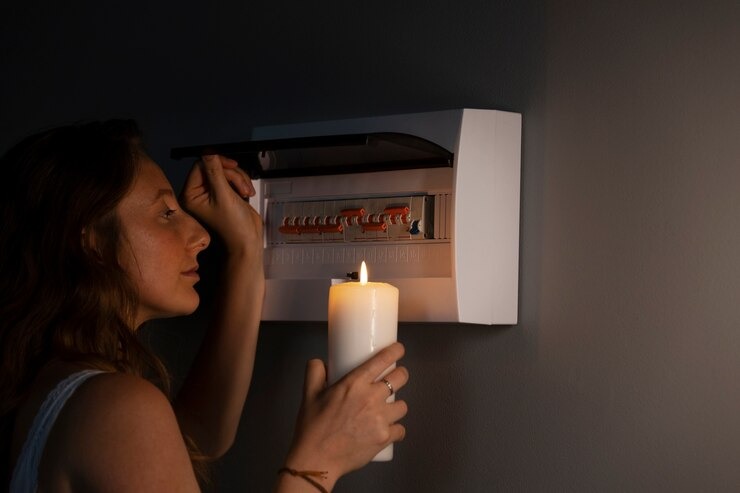
Locate your switchboard safely. Most homes have main switchboards in garages, laundry areas, or near front entrances. Approach with a torch rather than using your phone’s flashlight—you want both hands free. Never touch the switchboard with wet hands or whilst standing on damp surfaces.
Inspect for tripped safety switches. Modern switchboards feature residual current devices (RCDs) that trip when detecting electrical faults. These switches sit in the “off” position when tripped, distinctly different from adjacent switches remaining “on”. Tripped safety switches indicate your property experienced an electrical fault rather than a network-wide outage.
Check for overloaded circuits. Individual circuit breakers protect specific areas of your home. If only some rooms lost power whilst others remain lit, you’ve likely tripped a single circuit breaker through overload. This happens when too many high-draw appliances operate simultaneously on one circuit.
Reset tripped switches carefully. Switch the tripped safety switch or circuit breaker fully to “off” before returning it to “on”. This complete reset sequence ensures proper reconnection. If switches trip immediately upon resetting, you have an active fault requiring electrician diagnosis—don’t keep trying to reset repeatedly.
Monitor which circuits remain problematic. If specific circuits trip repeatedly, note which rooms or appliances those circuits serve. This information helps electricians diagnose faults quickly. Repeatedly tripping safety switches indicates genuine electrical problems that DIY troubleshooting can’t resolve.
What Not to Touch Inside Your Switchboard
Never remove the switchboard cover. The main panel behind that cover contains exposed live connections carrying lethal voltage even during outages. Only licensed electricians should access these components. Removing covers voids warranties and creates electrocution risks for untrained individuals.
Avoid touching any wiring or terminals. Even with main switches off, some connections remain energised from the street supply. Touching exposed wiring, loose connections, or damaged equipment inside switchboards can kill instantly. Your troubleshooting should stop at observing switch positions and resetting tripped breakers.
Don’t attempt repairs or modifications. Australians often pride themselves on DIY skills, but electrical work carries licensing requirements for good reason. Incorrect switchboard modifications cause house fires, electrocutions, and expensive damage to equipment. Save your DIY talents for projects that won’t potentially kill you.
When Outages Indicate Household Wiring Faults
Frequent tripping suggests internal problems. If safety switches trip weekly or daily, your home has electrical faults needing professional attention. These recurring issues stem from damaged wiring, failing appliances, or moisture ingress rather than network supply problems.
Isolated outages affecting single circuits point to household issues. When your kitchen loses power but bedrooms stay lit, the problem lives within your property’s electrical system. Network outages affect entire properties or suburbs, not individual rooms.
Burning smells or visible damage demand immediate action. If you smell burning plastic near the switchboard, see scorch marks on switches, or notice melted components, turn off the main switch if safe to do so and contact an electrician. These signs indicate dangerous faults that could escalate into house fires.
Common Household Causes of Power Outages
Faulty appliances trigger safety switches frequently. Ageing equipment develops insulation breakdowns allowing current leakage that RCDs detect. Common culprits include washing machines, dishwashers, hot water systems, and portable heaters. Identifying which appliance causes tripping helps electricians diagnose issues efficiently.
Water ingress creates dangerous electrical paths. Sydney’s weather brings heavy rain that sometimes infiltrates outdoor power points, garden lighting circuits, or roof-mounted equipment. Water conducts electricity where it shouldn’t, tripping safety switches protecting you from shock. Even minor leaks near electrical installations can cause persistent tripping.
Damaged wiring from renovations or pests causes faults. Rats and possums occasionally chew through cables in roof spaces. Renovation work sometimes nicks wires hidden in walls. These physical damage scenarios create intermittent faults that worsen over time, eventually causing complete circuit failure.
Overloaded circuits trip breakers regularly in older homes. Properties built decades ago feature electrical systems designed for lower power demands. Modern households running multiple air conditioners, computers, and kitchen appliances simultaneously can exceed circuit capacity, tripping breakers as protective measures.
Deteriorating switchboard components fail with age. Connections loosen, switches wear out, and corrosion affects performance over decades. These age-related issues particularly affect homes with original switchboards installed 30-40 years ago when standards and equipment quality differed from today.
When to Call Your Local Electrician

Persistent issues require professional diagnosis. If you’ve reset switches and isolated problem appliances but tripping continues, book an electrician inspection. Something within your electrical system needs attention that troubleshooting can’t identify or fix safely.
Planned upgrades prevent future outages. Older homes benefit from switchboard modernisation, including additional circuit capacity, updated safety switches, and surge protection. These preventive measures reduce nuisance tripping whilst improving safety and supporting modern electrical demands.
Post-storm inspections catch developing problems. After severe weather events, electricians can check for damage to external wiring, displaced connections, or moisture ingress before minor issues escalate into complete failures. This proactive approach prevents inconvenient outages during Sydney’s next storm.
Contact Expert Electricians at Bright Choice Electrical
When home troubleshooting reveals internal electrical faults rather than network outages, Bright Choice Electrical provides thorough diagnostic services identifying root causes. Our qualified electricians use specialised testing equipment to detect faults that visual inspection misses. We’ll identify which circuits, appliances, or wiring sections create problems and provide clear explanations of required repairs.
We handle everything from simple circuit repairs to complete switchboard upgrades for Sydney properties experiencing frequent outages. Our services include testing all safety switches and circuit breakers, inspecting wiring condition, checking for moisture ingress, and ensuring your electrical system meets current Australian Standards. Every job includes detailed reporting explaining what we found and what we fixed.
Don’t live with an unreliable power supply. Contact Bright Choice Electrical for professional fault finding that gets to the bottom of persistent electrical issues. We’ll diagnose problems efficiently, explain your options clearly, and restore reliable electricity to your Sydney home.