Safety switches, also known as residual current devices, protect people from electric shock by monitoring the flow of electricity through circuits and cutting power instantly when they detect an imbalance. These devices respond within milliseconds when a current leak occurs, preventing serious injury or death from faulty appliances, damaged wiring, or accidental contact with live electrical parts. Australian homes have relied on safety switch protection since the early 1990s, with regulations expanding over time to cover more circuits.
Understanding how safety switches work and which circuits require protection helps homeowners make informed decisions about their electrical safety. Modern safety regulations demand comprehensive coverage that older homes often lack, creating situations where switchboard upgrades become necessary rather than optional. This comprehensive guide explains RCD types, installation requirements, and why hiring a licensed electrician ensures proper protection for your family and property.
What Safety Switches Do and How They Protect Household Circuits
Safety switches constantly monitor the flow of electricity between live and neutral wires in your home’s electrical circuits. When current flowing out through the active wire doesn’t match current returning through neutral, the safety switch detects this imbalance and turns off the electricity within milliseconds. This rapid response prevents electric shock that could injure or kill someone who’s accidentally become part of an electrical circuit through contact with faulty equipment or damaged wiring.
The protection works differently than circuit breakers or fuses, which only respond to overload or short circuit conditions. A circuit breaker protects wiring from damage caused by excessive current, while a safety switch protects people from electric shock even when circuits operate within normal current ranges. Both devices serve important but distinct roles in ensuring your home’s electrical safety.
Legal Requirements for RCDs in NSW Homes
NSW safety regulations have evolved over decades to increase mandatory safety switch coverage in residential properties. Homes built or substantially renovated since 2000 require safety switches on all power point circuits, with requirements expanding to include lighting circuits in more recent years. The installation of safety switches on every circuit has been mandatory for new homes and major renovations since regulations tightened further.
Older properties don’t automatically require full safety switch coverage unless electrical work triggers upgrade requirements. However, when selling property or undertaking electrical installations, NSW wiring rules often mandate bringing affected circuits up to current safety standards. Licensed electricians check compliance during inspections and advise homeowners about circuits lacking proper protection.
Occupational health and safety considerations extend beyond residential requirements, with rental properties and workplaces facing stricter obligations regarding safety switch installation. Landlords should consider having safety switches installed on all circuits even when not strictly mandatory, as this reduces liability risks and protects tenants. The peace of mind from comprehensive protection outweighs installation costs when balanced against potential consequences of electrical accidents.
Types of RCDs and Which Circuits They Protect
Single-pole RCDs protect individual circuits by installing directly into your switchboard alongside standard circuit breakers. These devices monitor one circuit at a time, allowing other circuits to continue operating when a fault triggers one RCD. This selective approach means faulty appliances on bedroom power points won’t affect kitchen circuits or lighting throughout the rest of your home.
Double-pole RCDs protect multiple circuits simultaneously, offering economical solutions for upgrading older switchboards with limited space. While these devices cost less than installing individual RCDs on every circuit, they create inconvenience when faults occur because multiple circuits lose power together. Identifying which appliance caused the trip becomes harder when several rooms go dark simultaneously.
Portable RCDs plug into standard power points and provide temporary protection for individual appliances or tools. These devices suit situations where fixed safety switches don’t exist, like outdoor work areas or when using equipment in locations with unknown electrical safety standards. Tradies often carry portable RCDs for tools used at various job sites where building electrical systems may not provide adequate protection.
Combination devices integrate RCD protection with circuit breaker functionality in single units called RCBOs (residual current breaker with overcurrent protection). These space-saving solutions provide both electric shock protection and overload protection for individual circuits, making them ideal for modern switchboard installations where comprehensive coverage is required. Australian electricians increasingly favour RCBOs for new installations and upgrades due to their superior protection and circuit isolation capabilities.
The Difference Between Circuit Breakers and RCDs
Circuit breakers respond to excessive current flow that could overheat wiring and cause electrical fires, protecting the electrical wiring itself rather than people using the system. These devices trip when current exceeds their rated capacity, whether from too many appliances running simultaneously or short circuits where active wires contact neutral or earth connections. The protection works within seconds or minutes depending on how much current exceeds safe levels.
Safety switches detect tiny current imbalances measuring as little as 30 milliamps that indicate electricity is leaking from circuits through unintended paths. This leakage current might flow through a person touching faulty equipment, through damaged insulation, or via moisture creating unintended conduction paths. The safety switch protects people from electric shock by responding within milliseconds when a current leak begins, long before circuit breakers would react.
Both devices serve important roles in electrical safety, with neither being replaceable by the other. Circuit breakers and fuses prevent overheating that causes fires, while RCD switches prevent electric shock that injures or kills people. Modern electrical systems require both types of protection working together to ensure safety across different hazard scenarios.
Confusion between these devices leads some homeowners to assume circuit breakers provide complete protection when they don’t guard against electric shock at all. Understanding this distinction explains why regulations mandate safety switch installation even in homes with functioning circuit breakers throughout the switchboard. The layered protection approach addresses different failure modes and hazard types.
Steps Electricians Take When Installing and Testing RCDs
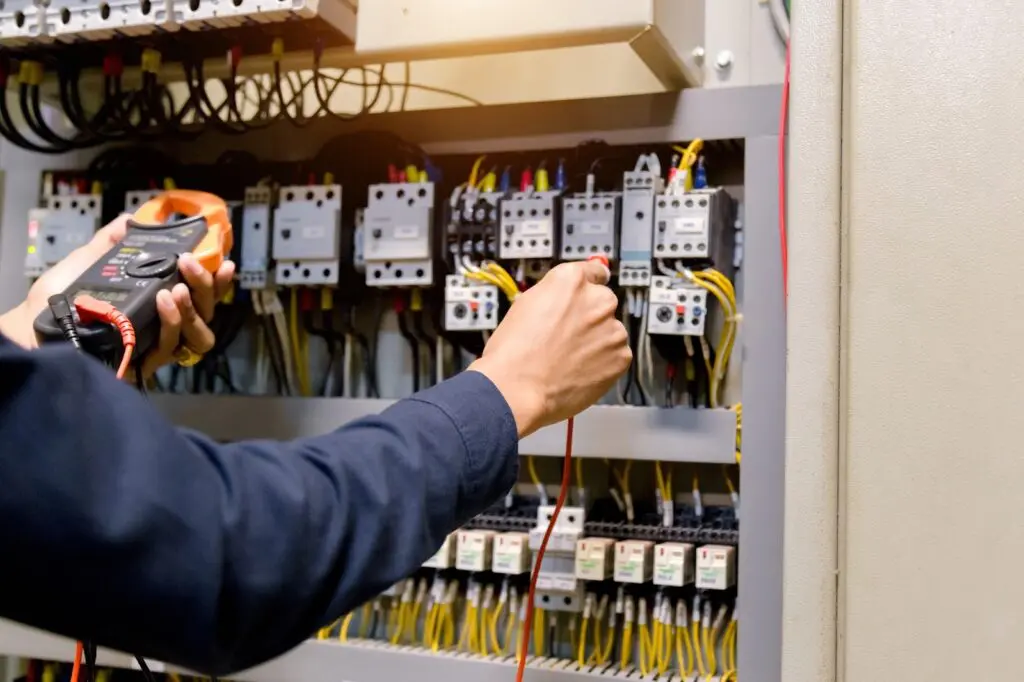
Professional safety switch installation follows strict procedures, ensuring devices function correctly and comply with Australian safety standards:
Initial Assessment and Planning
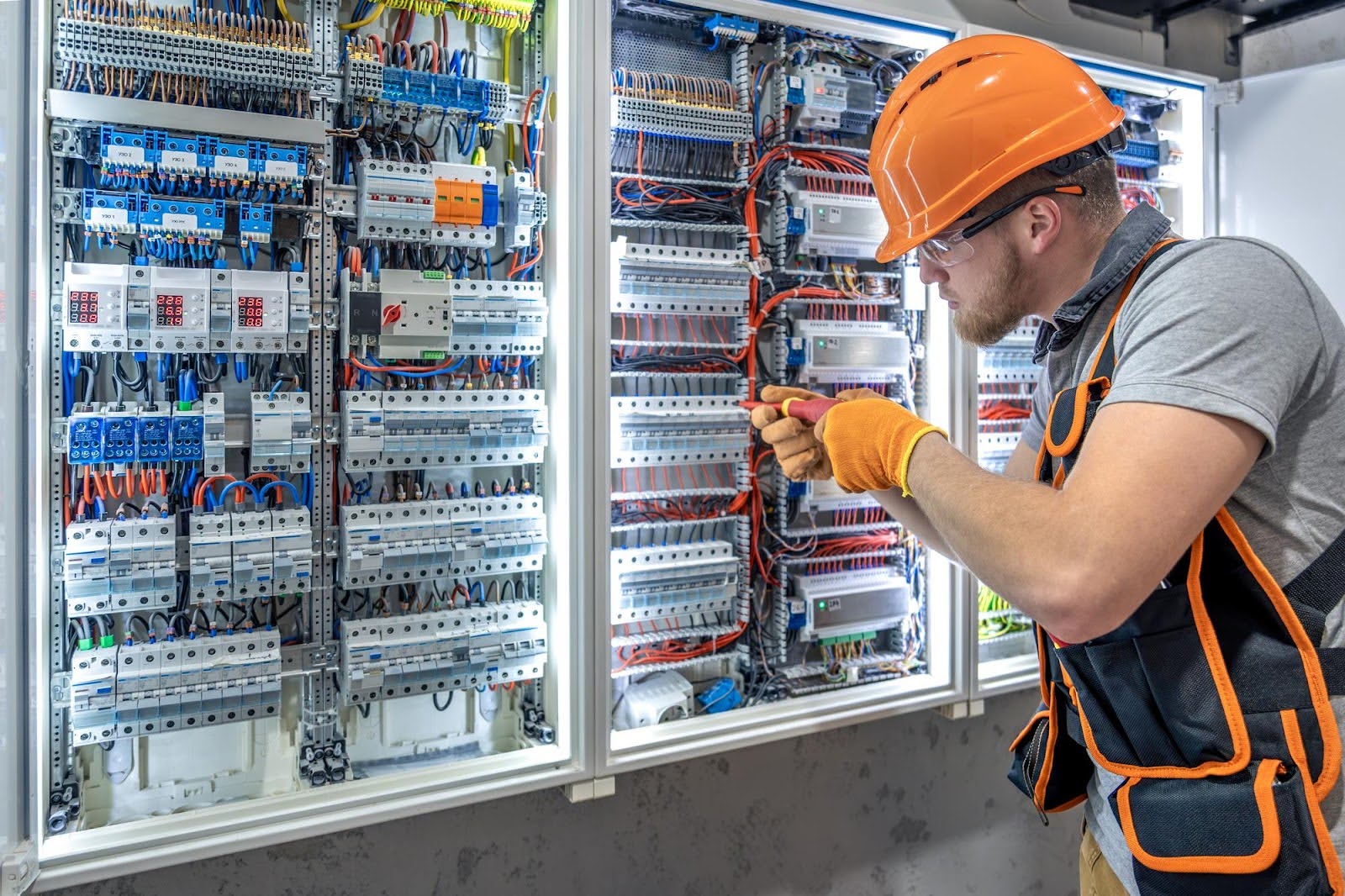
Licensed electricians examine your existing switchboard to determine available space, identify circuits lacking protection, and assess whether the board requires upgrading before adding safety switches. Older switchboards with ceramic fuses or inadequate capacity often need complete replacement rather than simple RCD additions. The electrician checks which lights or appliances connect to each circuit, documenting the electrical system layout before beginning work.
Power Isolation and Safety Procedures
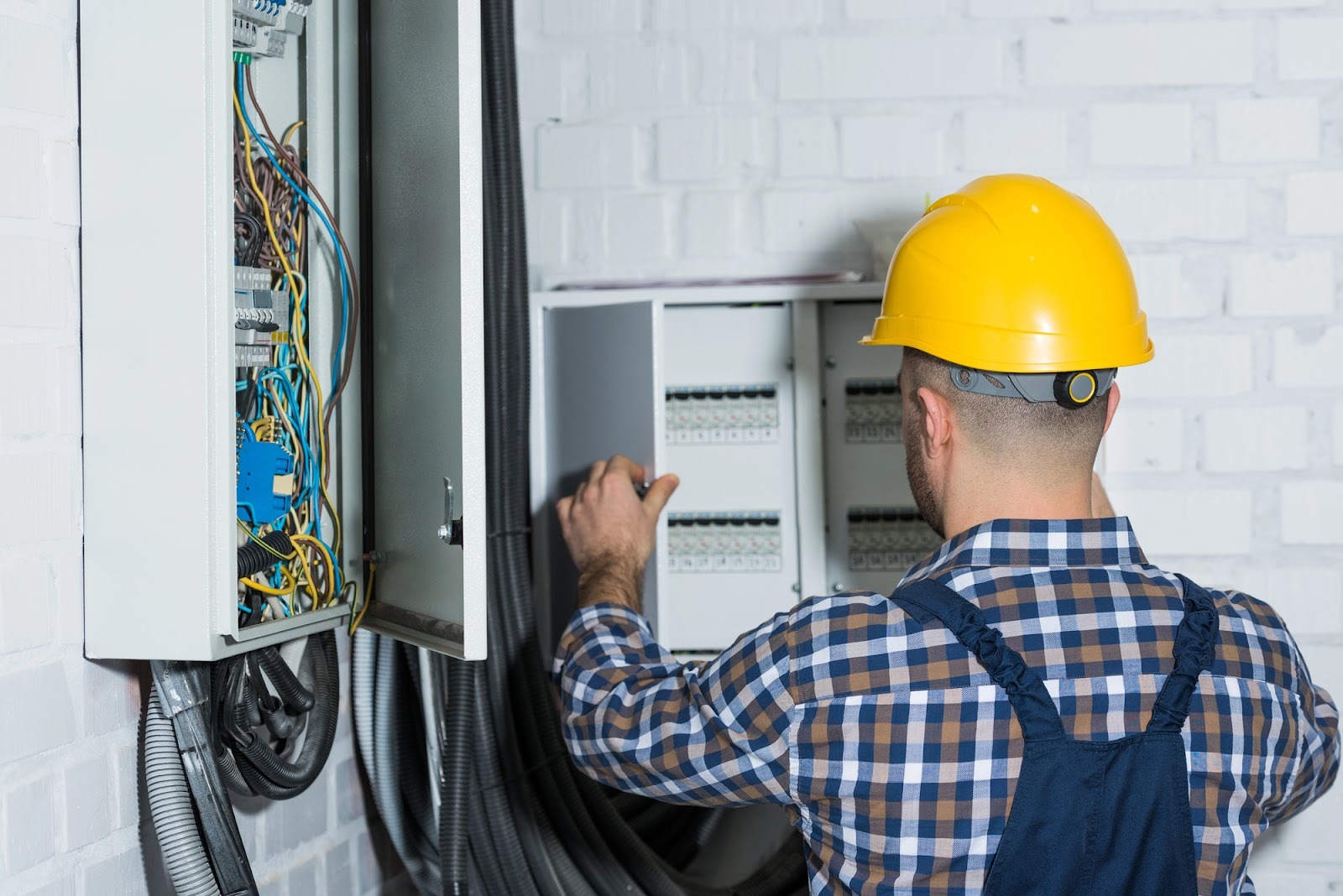
The electrician must turn off the power at the metre box before opening the switchboard to work on live electrical equipment. Proper lockout procedures prevent accidental re-energisation during installation. Testing equipment verifies circuits are truly de-energised before any wiring work begins, protecting the electrician from shock hazards.
Device Installation and Wiring
New RCDs are installed into the switchboard according to manufacturer specifications, with careful attention to connecting active, neutral, and earth wires correctly. The safety switch controls circuits by routeing their wires through the device’s internal current monitoring system. Proper torque on terminal screws ensures reliable connections that won’t loosen over time from thermal expansion and contraction cycles.
Testing and Verification
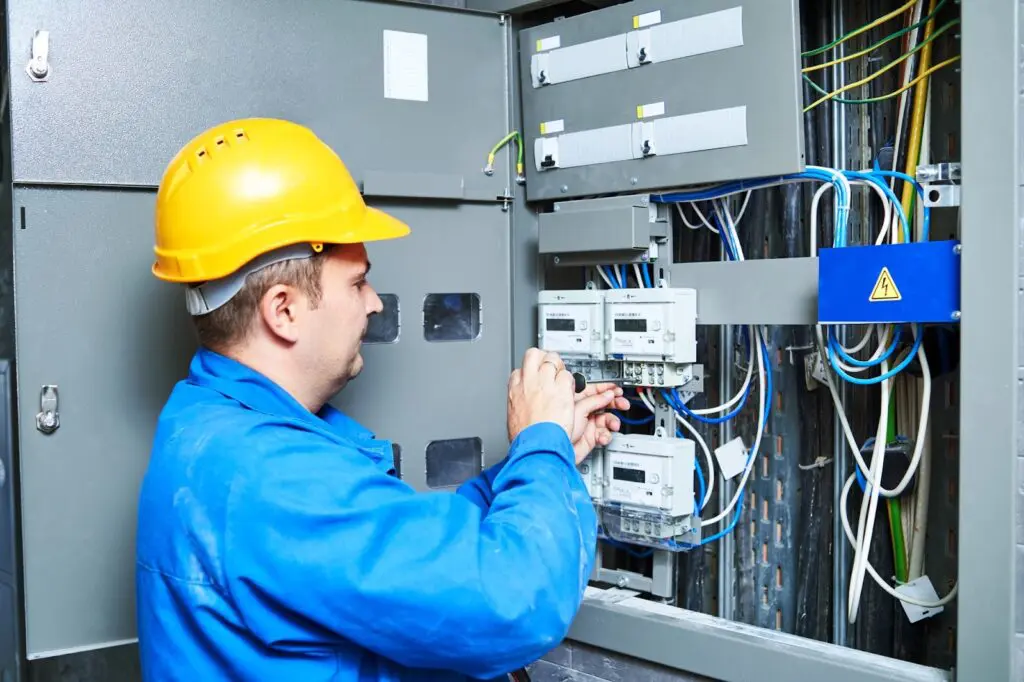
After installation, the electrician tests each safety switch using the built-in test button to verify it trips when current imbalance is simulated. Additional testing with specialised equipment confirms the device trips within acceptable timeframes and at correct current thresholds. The electrician checks inside your home to see which lights or appliances connect to each RCD, documenting circuit coverage for homeowner records.
Documentation and Homeowner Education
The electrician provides documentation showing which circuits now have safety switch protection and explains how to test switches monthly using the test button. Homeowners learn to set up a reminder schedule for regular testing, ensuring the safety switch continues functioning properly throughout its service life. Understanding what to do when switches trip helps families respond appropriately to electrical faults.
Trust experienced professionals for safety switch installation—book Bright Choice Electrical today.
Why Older Homes Often Require Switchboard Upgrades
Older switchboards lack the physical space and modern design features needed to accommodate safety switches alongside existing circuit breakers or fuses. Ceramic fuse boards from before the 1970s don’t accept modern safety devices at all, requiring complete replacement to meet modern safety standards. Even metal switchboards from the 1980s and 1990s often have insufficient capacity for adding RCDs to all circuits.
Electrical demand in modern homes exceeds what older installations were designed to handle, with multiple air conditioners, electric hot water systems, and numerous appliances drawing more current than historical assumptions anticipated. Upgrading switchboards allows electricians to increase capacity while adding comprehensive safety switch protection. The combined upgrade addresses both safety deficiencies and practical limitations of outdated electrical systems.
Get Compliant RCD Protection from Bright Choice Electrical
Bright Choice Electrical specialises in safety switch installation across Sydney, bringing years of experience ensuring homes meet current electrical safety requirements. Our licensed electricians assess your existing switchboard, recommend appropriate RCD coverage, and complete installations that protect your family from electric shock hazards. We explain which circuits need protection and whether your switchboard requires upgrading to accommodate modern safety devices.
Protecting your family and property from electrical accidents starts with proper safety switch coverage throughout your home’s electrical system. Whether you’re updating an older home, addressing compliance issues, or simply want peace of mind knowing your electrical safety is comprehensive, our team provides expert advice and professional installation. We handle the entire process from initial assessment through testing and documentation, ensuring the safety switches work correctly and you understand how to maintain them.
Contact Bright Choice Electrical today for professional safety switch installation and switchboard upgrades.