Picture this: a summer thunderstorm rolls through Sydney, lightning strikes nearby infrastructure, and within seconds your expensive smart TV, home theatre system, and computer equipment are fried beyond repair. This scenario plays out more often than most homeowners realise, with power surges destroying thousands of dollars in electronics annually across Australian suburbs. Understanding surge protection isn’t just about protecting gadgets, it’s about safeguarding the significant investment most families have in the electronic equipment that runs modern homes.
This comprehensive guide explains what surge protection devices actually do, which types suit different homes, and when professional installation makes sense for Sydney properties. We’ll cut through marketing hype to focus on practical considerations affecting real households, from ageing electrical infrastructure to storm season vulnerabilities. The frequency and severity of surge events affecting Sydney homes has increased noticeably in recent years, making this topic more relevant than ever.
Why Power Surges Are Becoming More Common
Sydney’s electrical infrastructure dates back decades in many areas, with components ageing beyond their intended service life. Older substations, transformers, and distribution equipment generate more voltage irregularities as insulation degrades and connections loosen. These infrastructure issues create frequent small surges that most homeowners never notice until appliances start failing prematurely.
Climate patterns have intensified storm activity across the Sydney basin, with more frequent lightning strikes affecting power networks. Each lightning current that hits transmission lines sends massive voltage spikes through the grid, affecting entire suburbs simultaneously. The cumulative effect of multiple surge events throughout summer storm seasons adds up to significant equipment stress.
Modern homes draw substantially higher electrical loads than systems were designed to handle, with air conditioning, electric vehicle chargers, and countless electronics pushing capacity limits. When large appliances like air conditioners cycle on and off, they create internal surges within home wiring that can damage sensitive electronics over time. The combination of external grid issues and internal load switching creates a hostile environment for expensive equipment.
How Surge Protectors Minimise Voltage Spike Damage
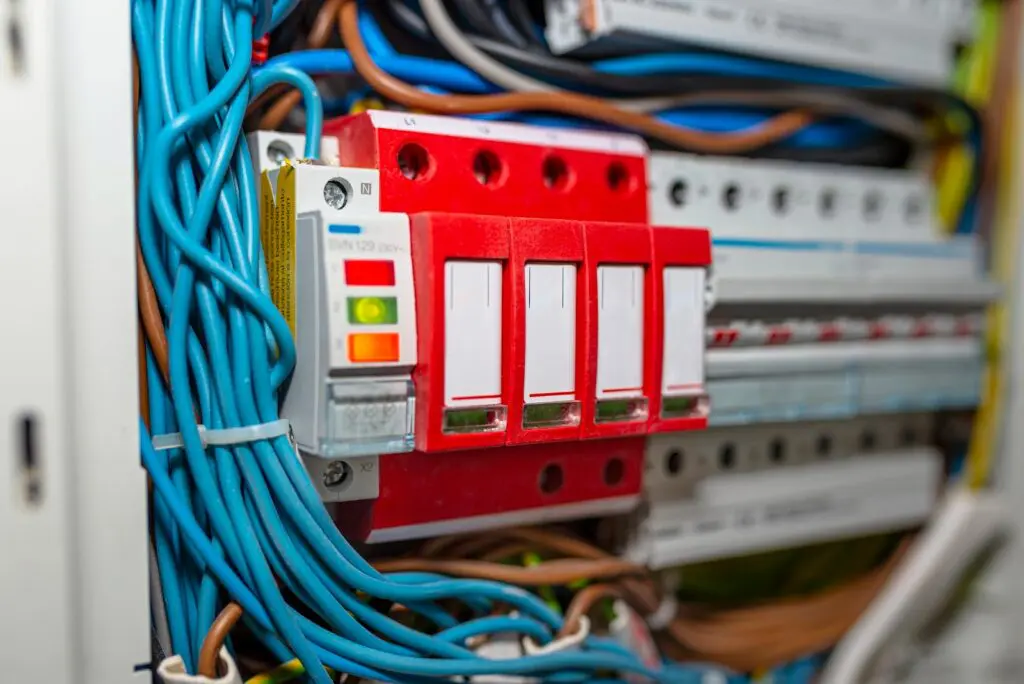
Surge protection devices work by detecting voltage levels that exceed safe thresholds and diverting excess electrical energy safely to earth before it reaches connected equipment. The SPD acts within nanoseconds of detecting overvoltage, clamping the surge to safe levels through internal components designed to absorb or redirect the energy. This protective device sits between incoming power and your equipment, creating a buffer against transient voltage spikes.
Without proper surge protection, voltage spikes travel unimpeded through home wiring to every connected device and appliance. Electronics with sensitive microprocessors and circuit boards suffer immediate failure from major surges or gradual degradation from repeated smaller events. The cumulative damage from unprotected surges shortens equipment lifespan significantly, often causing failures that appear unrelated to power quality issues.
The physics behind surge protection involves rapidly changing electrical resistance in response to voltage levels. When voltage remains normal, the SPD presents high resistance allowing power to flow normally to equipment. When voltage exceeds the rating threshold, resistance drops dramatically and the device shunts excess energy to the earth connection before resetting once voltage normalises.
Comparing Different Types of Surge Protection
There are different types of surge protection devices and each works in a certain way.
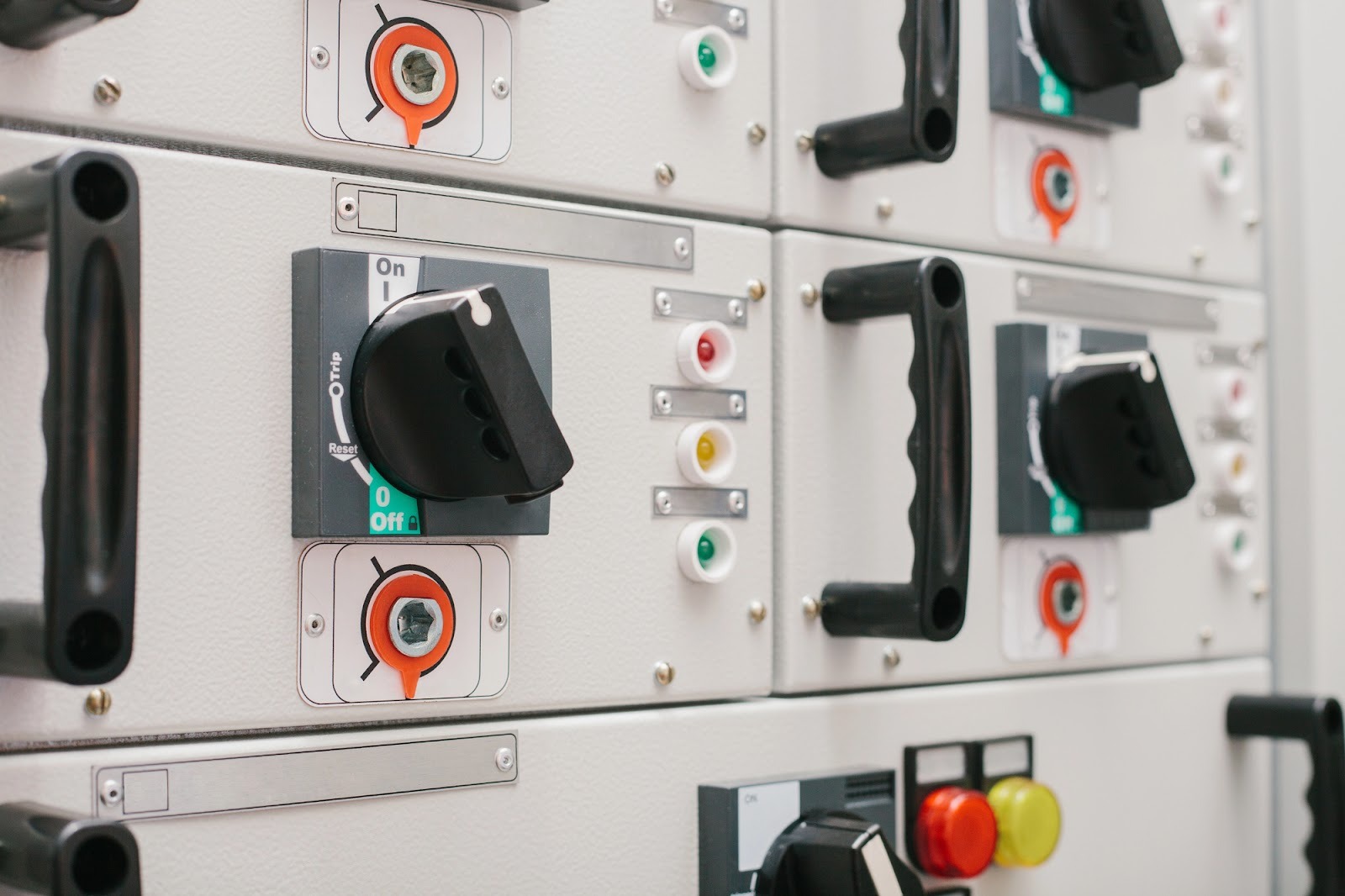
Type 1 SPDs install at the service entrance where electricity enters your property, providing primary protection for the entire electrical system. These industrial-grade devices handle the largest surge currents from direct lightning strikes and major grid events. Installation requires professional electricians working at the metre board or main switchboard, making this the most comprehensive but also most involved option.
Type 2 surge protection devices mount inside your switchboard and protect individual circuits or the entire board depending on configuration. These represent the most common application for residential properties, offering good protection against most surge events while being more cost-effective than Type 1 devices. The installation involves working inside your electrical switchboard, which absolutely requires licensed electrician expertise for safety and compliance.
Plug-in surge protectors offer point-of-use protection for individual devices or small equipment clusters, commonly seen as power boards with surge protection built in. These provide the minimum level of protection and work best as supplementary rather than primary protection for valuable electronics. The limitation is they only protect whatever plugs into them while offering no protection for hardwired appliances or the broader electrical system.
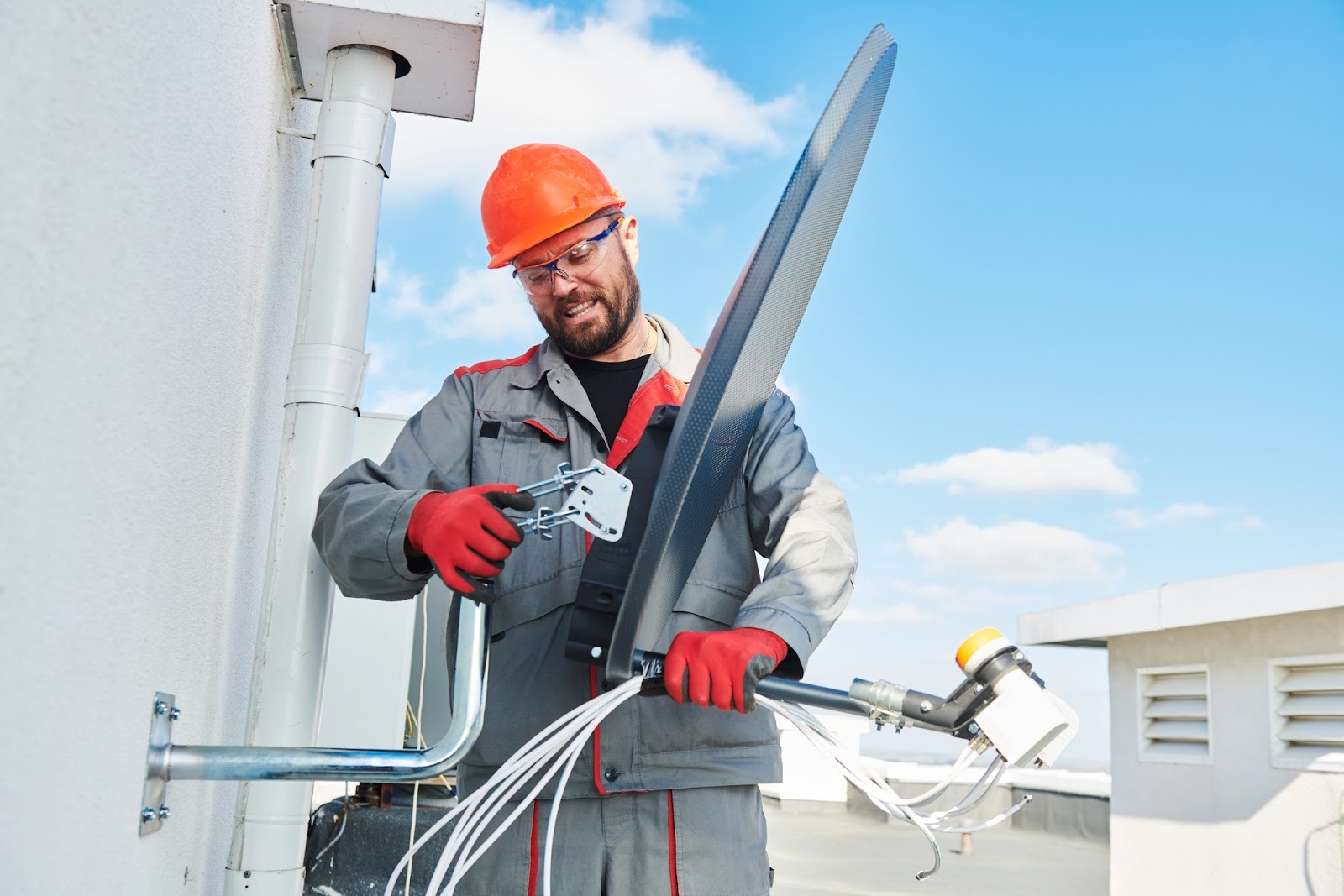
Remote surge protection combines telecommunications and data cable protection with power protection, addressing the fact that surges enter homes through multiple paths. Internet, phone, and antenna connections can carry damaging surges directly to connected electronics, bypassing power-side protection entirely. Comprehensive surge protection strategies address all potential surge entry points, not just the electrical supply.
How Home Setups Affect Surge Vulnerability
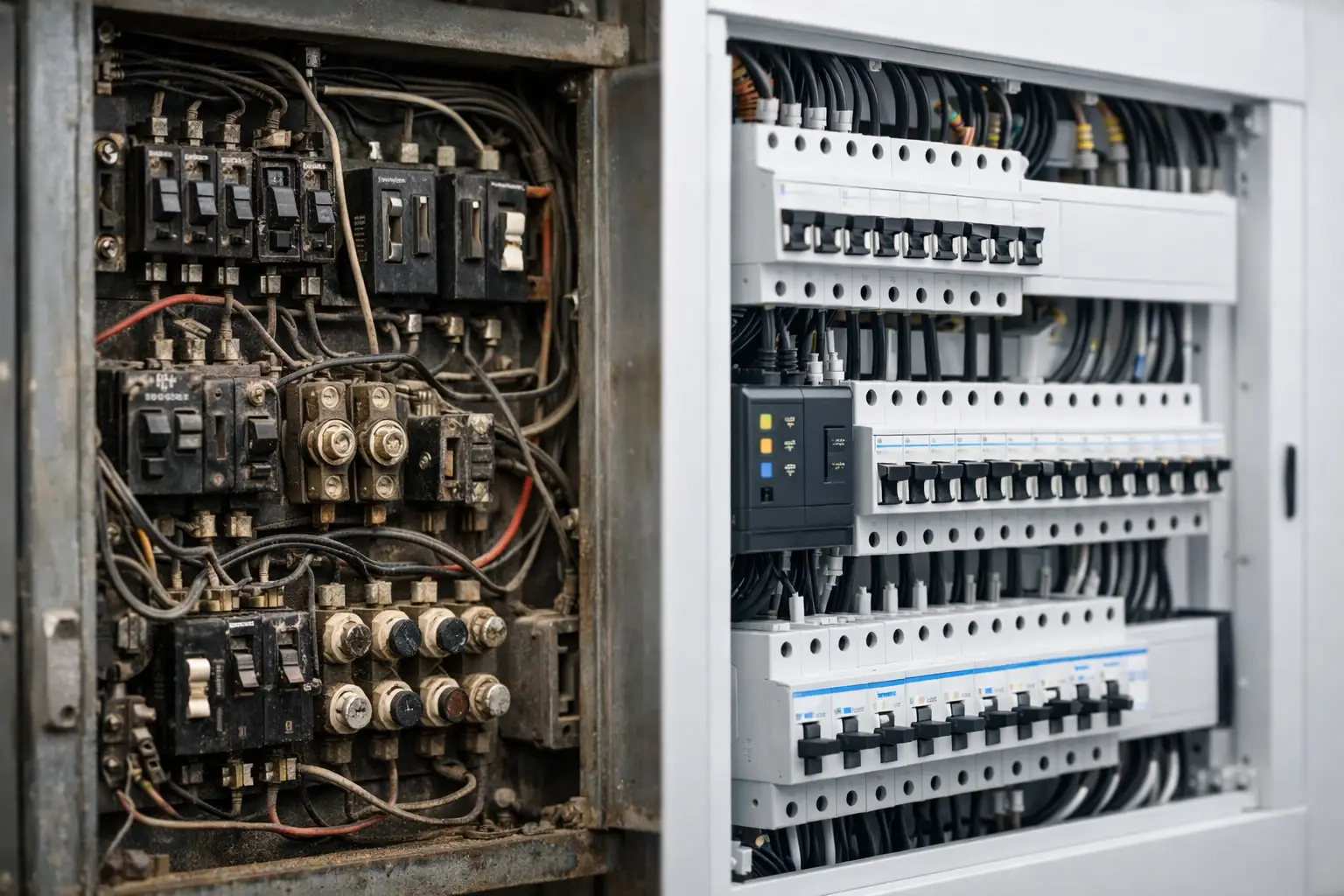
Older switchboards with ceramic fuses or early circuit breaker designs lack the earth connections and equipment capacity needed for modern surge protection installation. These boards often require complete upgrades before SPDs can be installed properly, as surge protection depends on sufficient earth connections to safely discharge diverted energy. The good news is switchboard upgrades simultaneously improve safety and enable surge protection installation.
Homes with large appliance loads including ducted air conditioning, pool equipment, and electric hot water systems experience more internal surge generation when these devices cycle. The switching transients from high-power equipment create voltage spikes throughout home wiring that affect sensitive electronics in other rooms. Professional assessment helps identify whether your load profile warrants enhanced surge protection beyond basic solutions.
Smart home systems with extensive electronics and networked devices face particular vulnerability to surge damage. A single surge event can disable multiple interconnected devices simultaneously, making the investment in proper surge protection more justifiable. The complexity of modern home automation means replacement costs extend well beyond the physical devices to include reconfiguration and programming work.
Sydney Storm Season and Lightning-Related Surge Risk
Sydney’s summer storm season from November through March brings frequent thunderstorm activity that generates thousands of lightning strikes monthly across the metropolitan area. Each lightning current that hits power infrastructure sends voltage surges that can affect homes kilometres away from the actual strike location. The Australian climate bureau’s data shows increasing storm intensity, translating to more severe surge events.
Lightning doesn’t need to directly strike your home to cause surge damage—strikes to power lines, substations, or even nearby structures can inject massive voltage spikes into the electrical grid. The energy from distant lightning events travels through the network until it either dissipates, gets absorbed by surge protection, or damages unprotected equipment. Entire streets can experience surge-related equipment failures from a single nearby strike.
The risk calculation for surge protection becomes more compelling when you consider that most Sydney homes experience multiple potential surge events each storm season. Each event represents another chance for expensive equipment failure. The cumulative probability of damage over a system’s lifespan makes surge protection a risk management consideration rather than just an optional extra.
Signs Your Home Needs Surge Protection
Several indicators suggest your property experiences surge issues requiring professional protection:
- Frequent electronics failures: Computers, TVs, or appliances failing prematurely without obvious cause often indicate surge damage accumulating over time
- Circuit breakers tripping unexpectedly: Breakers that trip without clear overload causes might be responding to voltage irregularities in the supply
- Flickering lights during storms: Visible dimming or flickering when lightning strikes nearby indicates surge energy entering your electrical system
- Failed equipment after storms: Devices that stop working following thunderstorms almost certainly suffered surge damage
Homeowners who’ve experienced even one major electronics failure from surges typically become immediate surge protection advocates. The frustration of losing expensive equipment to preventable damage makes the cost of protection seem minor. Insurance claims for surge damage happen more often than most people realise, though many don’t connect equipment failures to power quality issues.
Geographic factors influence surge risk, with homes near substations, transmission lines, or industrial facilities experiencing different surge profiles than properties in residential areas. Elevated locations and homes with tall structures nearby face higher lightning strike probability. Your specific situation affects whether basic surge protection suffices or whether enhanced protection makes sense.
The proliferation of expensive electronics in modern homes has dramatically increased the total value at risk from surge events. When you add up computers, entertainment systems, kitchen appliances, home automation equipment, and everything else with circuit boards, many households have tens of thousands of dollars worth of vulnerable electronics.
Why Professional Installation Beats DIY Approaches
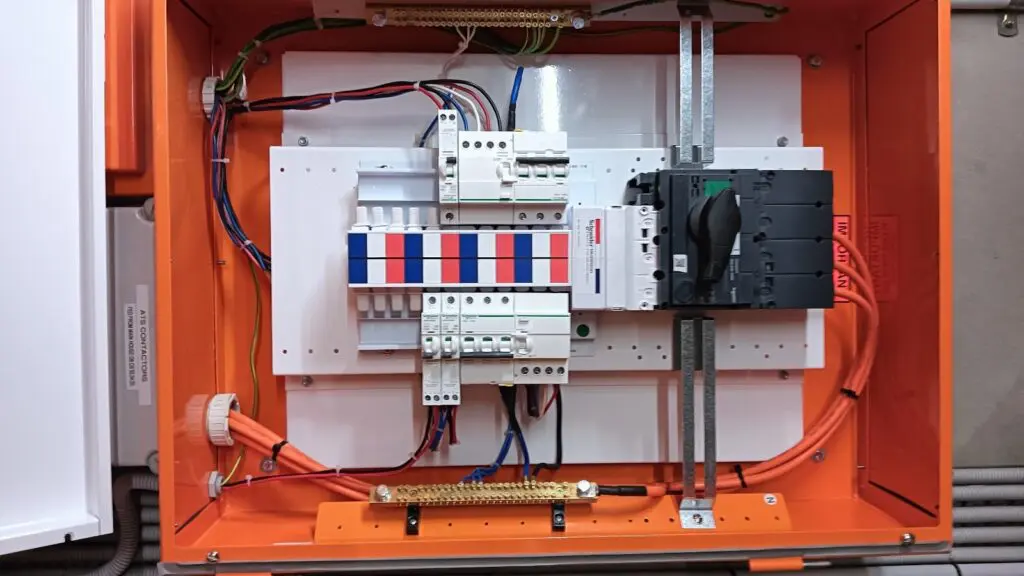
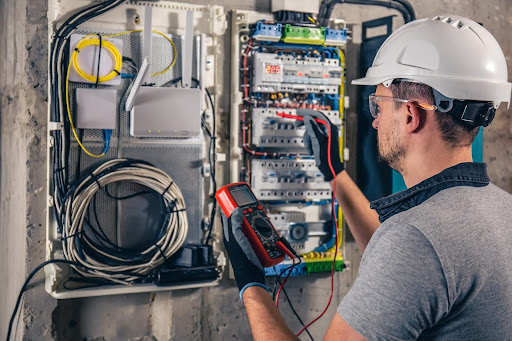
Working inside switchboards involves exposure to live electrical connections that can kill instantly if proper safety procedures aren’t followed. Licensed electricians have the training, equipment, and insurance to work safely on electrical systems. The risk to homeowners attempting DIY switchboard work includes electrocution, fire, and voiding insurance coverage through non-compliant electrical work.
Proper surge protection installation requires understanding circuit configurations, earth system adequacy, and coordination between protection devices at different levels. An electrician assesses your switchboard capacity, earth connection quality, and whether existing equipment can accommodate SPD installation. These technical considerations determine which surge protection devices will function correctly in your specific electrical system.
Professional installation ensures compliance with Australian standards governing surge protection equipment and installation requirements. The AS/NZS 1768 standard specifies technical guidelines for SPD selection, installation, and testing that protect both equipment and occupants. Work that doesn’t meet these standards may not only fail to protect properly but could create additional hazards.
Bright Choice Electrical’s Surge Protection Approach
At Bright Choice Electrical, our assessment process examines your home’s electrical system comprehensively, looking beyond just adding surge protection to ensure your entire setup works optimally. We evaluate switchboard condition, earth system adequacy, and whether any upgrades are required before surge protection devices can be installed effectively. This thorough approach prevents situations where SPDs are installed into inadequate systems that can’t support their function properly.
Equipment recommendations balance protection levels against budget considerations, helping homeowners find cost-effective solutions that provide appropriate safeguards. We explain the scope of protection different device types offer, their limitations, and what you’re actually getting for your investment. The goal is informed decisions based on your specific risk profile and valuable electronics requiring protection.
Cost Considerations and Value Assessment
Basic Type 2 surge protection installation typically costs $500-$800 including a mid-range SPD and electrician labour for straightforward installations. Enhanced protection with multiple devices or Type 1 plus Type 2 combinations ranges from $1,200-$2,500 depending on equipment specifications and installation complexity. Switchboard upgrades required before surge protection installation add costs but address safety issues beyond just surge protection needs.
The value assessment involves weighing protection costs against the replacement value of electronics at risk and the probability of surge events causing damage. Homes with $10,000+ worth of electronics facing annual storm seasons often find surge protection pays for itself if it prevents just one major event. The peace of mind from knowing your equipment has professional-grade protection adds intangible value beyond pure financial calculations.
Long-term considerations include the lifespan of surge protection devices, which typically provide 10-15 years of service before requiring replacement. The initial investment provides protection over thousands of potential surge events throughout the device’s life. When you calculate annual cost over the protection period, even comprehensive installations cost less than many homeowners spend on insurance excesses in a single claim.
Request Your Surge Protection Assessment Today
Don’t wait for the next storm season to discover your electronics aren’t protected from surge damage. Bright Choice Electrical provides detailed surge protection assessments that evaluate your home’s specific risk factors and recommend appropriate protection solutions. We explain options clearly without pressure tactics, helping you make informed decisions about protecting your investment in modern electronics.Our licenced electricians bring years of experience with surge protection installation across diverse Sydney properties. We understand local conditions, infrastructure quirks, and the practical considerations affecting different neighbourhoods. Contact us today to schedule your assessment and take the first step towards comprehensive electrical protection for your home