Nothing frustrates quite like settling down to watch your favorite show only to have the picture freeze, pixelate, or cut out completely. Poor TV reception ruins the viewing experience and often indicates antenna problems that homeowners struggle to diagnose and fix themselves. Professional TV antenna installation solves these issues while ensuring you receive all available free-to-air TV channels with optimal picture quality.
This comprehensive guide covers everything Sydney residents need to know about antenna installation, from understanding different antenna types through troubleshooting common reception problems. We’ll explain what affects digital TV reception across Sydney’s varied terrain, when repairs make sense versus complete replacement, and how proper installation by experienced technicians delivers reliable results. Whether you’re dealing with constant dropouts or setting up a brand new antenna for a new home, this guide provides practical advice for achieving clear TV reception throughout Sydney’s diverse suburbs.
Why Proper Antenna Installation Matters in Sydney
Sydney’s varied terrain creates unique challenges for TV reception, with hills, tall buildings, and distance from broadcast towers all affecting signal strength and quality. The city’s geography means reception conditions vary dramatically between suburbs, with coastal areas, elevated locations, and inner-city high-rises each presenting different considerations. Professional TV antenna installation accounts for these local factors, positioning antennas to capture the best possible signal given your specific location.
Digital TV signals differ from older analogue broadcasts, requiring proper antenna types and alignment to receive channels reliably. The switchover to digital broadcasting means old analogue aerials often provide poor performance or miss channels entirely despite appearing physically intact. Modern digital antenna systems deliver crystal-clear picture and sound when installed correctly, but incorrect setup leads to pixelation, freezing, and missing channels that frustrate viewers.
Understanding Different Antenna Types
Indoor antennas suit apartments and rental properties where roof access isn’t available or permanent installations aren’t allowed. These compact units sit near your TV and work adequately in areas with strong signals close to broadcast towers. The limitation is they’re sensitive to interference from building structures and electronic devices, making them unsuitable for locations with marginal signal strength.
Outdoor TV antennas mounted on roofs provide superior reception by elevating the aerial above obstructions and reducing interference from building materials. High-gain UHF antennas amplify weak signals from distant broadcast towers, making them ideal for outer suburbs or areas with reception challenges. Digital TV antenna designs optimise reception of the specific frequencies used for Australian digital broadcasting, outperforming older antenna designs that weren’t optimised for these frequency ranges.
Factors Affecting TV Reception Quality
Building height significantly impacts reception, with ground-floor apartments in multi-story buildings often experiencing poor signals blocked by the structure itself. Rooftop antenna installations for apartment buildings require careful positioning to serve all units adequately. Distance from the main transmission towers at Artarmon and other Sydney broadcast locations determines minimum antenna specifications needed for reliable reception.
Interference from various sources degrades TV signals even when antennas are positioned correctly. Mobile phone towers, electrical equipment, and LED lighting can all create noise that disrupts digital reception. Roof structure affects installation options, with metal roofing potentially causing signal reflection issues and tile roofs requiring secure mounting to prevent damage during Sydney’s windy weather.
Best Practices for Antenna Placement
Antenna placement starts with determining the direction to broadcast towers, as directional antennas must point toward transmission sources for optimal performance. Most Sydney suburbs receive signals from Artarmon, though some outer areas may require orientation toward supplementary transmitters. Professional antenna installers use signal metres to identify the strongest signal direction and ensure precise alignment.
Mast height elevates antennas above roof obstructions and surrounding vegetation that blocks or reflects signals. Taller masts generally improve reception but must be securely mounted to withstand wind loads without compromising roof integrity. Cable quality and routing matter as much as antenna position, with high-quality coaxial cable maintaining signal strength from antenna to TV while poor cable introduces loss and interference.
Troubleshooting Common TV Reception Problems
Signal dropouts that occur at specific times often indicate interference from other electronic sources that operate intermittently. Weather conditions can temporarily affect reception, particularly during heavy rain or storms when moisture impacts signal propagation. Intermittent issues frustrate viewers more than complete outages because the cause isn’t immediately obvious.
Pixelation and freezing result from weak or unstable signals where the TV receives enough data to display pictures intermittently but not continuously. Damaged cabling from age, weather exposure, or pest activity degrades signal quality gradually until reception becomes unwatchable. Roof damage from storms or maintenance work can shift antenna alignment just enough to reduce reception quality without completely knocking antennas out of position.
Cost Expectations for Antenna Installation
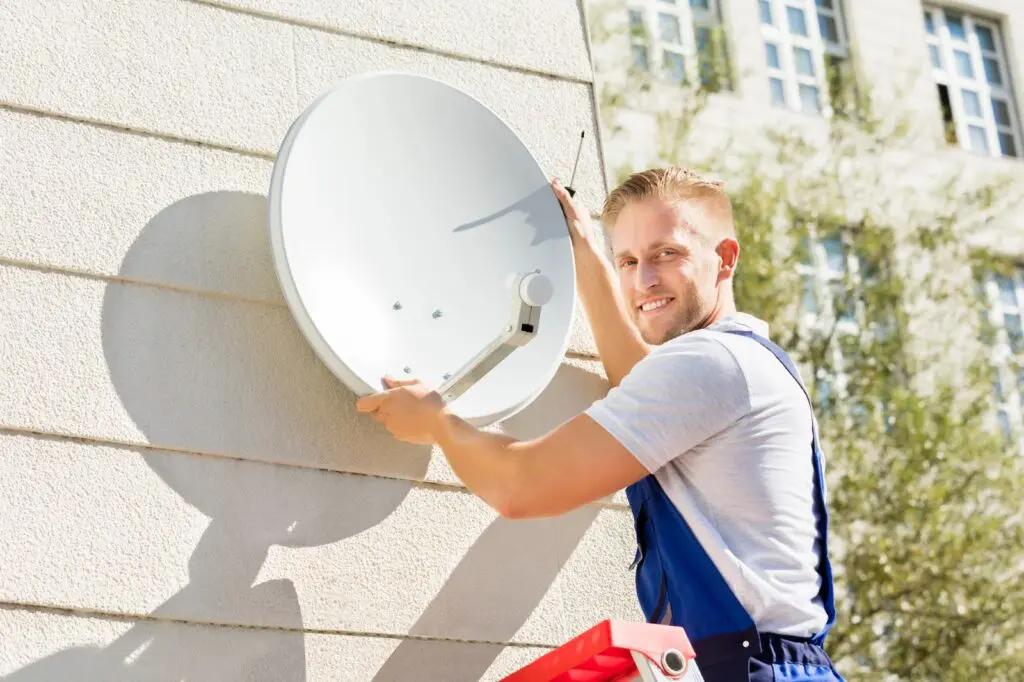
Basic TV antenna installation for straightforward residential properties typically costs $250-$400 including a quality digital antenna and standard installation labor. The price covers antenna supply, mounting hardware, cable connection to existing TV points, and signal testing to verify proper reception. Locations with good signal strength and standard roof access fall into this range.
Complex installations requiring new cabling throughout the home, signal amplifiers for weak reception areas, or additional TV points increase costs proportionally. Running new antenna cable through walls and installing wall plates adds labor time and materials beyond basic antenna replacement. Properties with difficult roof access, multi-story buildings, or reception challenges requiring high-gain antennas and amplifiers can cost $500-$800 or more depending on specific requirements.
How Bright Choice Electrical Handles Installations
Our antenna installation service begins with assessment of your existing setup, reception requirements, and any known signal issues affecting your location. Technicians use professional signal metres to measure reception quality and identify optimal antenna positioning before beginning physical installation. This diagnostic approach ensures we install equipment suited to your specific circumstances rather than using one-size-fits-all solutions.
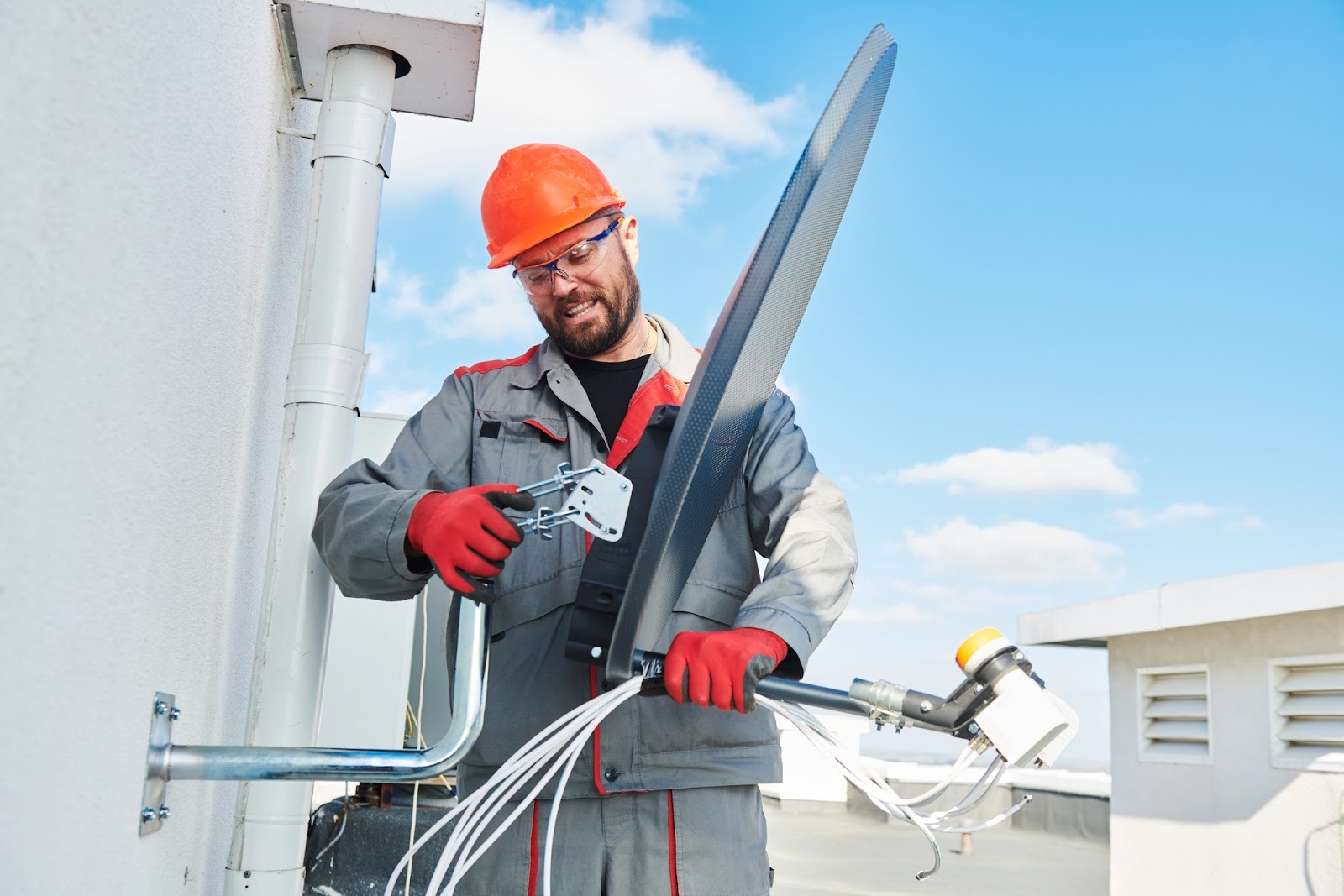
Installation includes secure antenna mounting using proper hardware that won’t damage roofs or compromise weatherproofing. We replace old analogue aerials with modern digital antenna systems optimised for Australian broadcast frequencies. Signal testing after installation verifies all available channels are received with sufficient strength for reliable viewing, with adjustments made until reception meets professional standards.
Book Your Licenced TV Aerial Electrician
Don’t continue suffering through poor TV reception or missing channels when professional antenna installation solves these frustrations permanently. Bright Choice Electrical’s licenced technicians bring years of experience with TV antenna installation and repair services across Sydney suburbs. We understand local reception conditions, broadcast tower locations, and the technical factors affecting picture quality.
Our excellent service includes thorough assessment, quality equipment installation, and testing to ensure you receive all available channels with perfect reception. We explain your options clearly, provide honest recommendations, and complete work efficiently without damaging your property. Contact us today for a free quote and experience the difference professional installation makes to your TV viewing experience.