Every household in Australia relies on electricity from the moment the first appliance turns on in the morning to the last phone charge at night. But not everyone realises that when you use power, it can affect how much you pay. Electricity peak and off-peak times are one of the biggest factors that influence your bill, and learning how to manage your usage around them can make a noticeable difference. Understanding time-of-use tariffs, peak demand, and off-peak periods allows you to cut costs, extend appliance lifespan, and support a more stable national grid. Let’s unpack how electricity pricing works throughout the day and what it means for your home or business in New South Wales.
Why Knowing Your Electricity Peak Times Matter for Every Australian Household
Electricity peak times are the periods of the day when demand for electricity is at its highest. When everyone uses appliances, heating, or cooling at once, the strain on the grid increases, and so do electricity prices. For most Australians, this happens in the early evening when people return home from work, cook dinner, or do laundry.
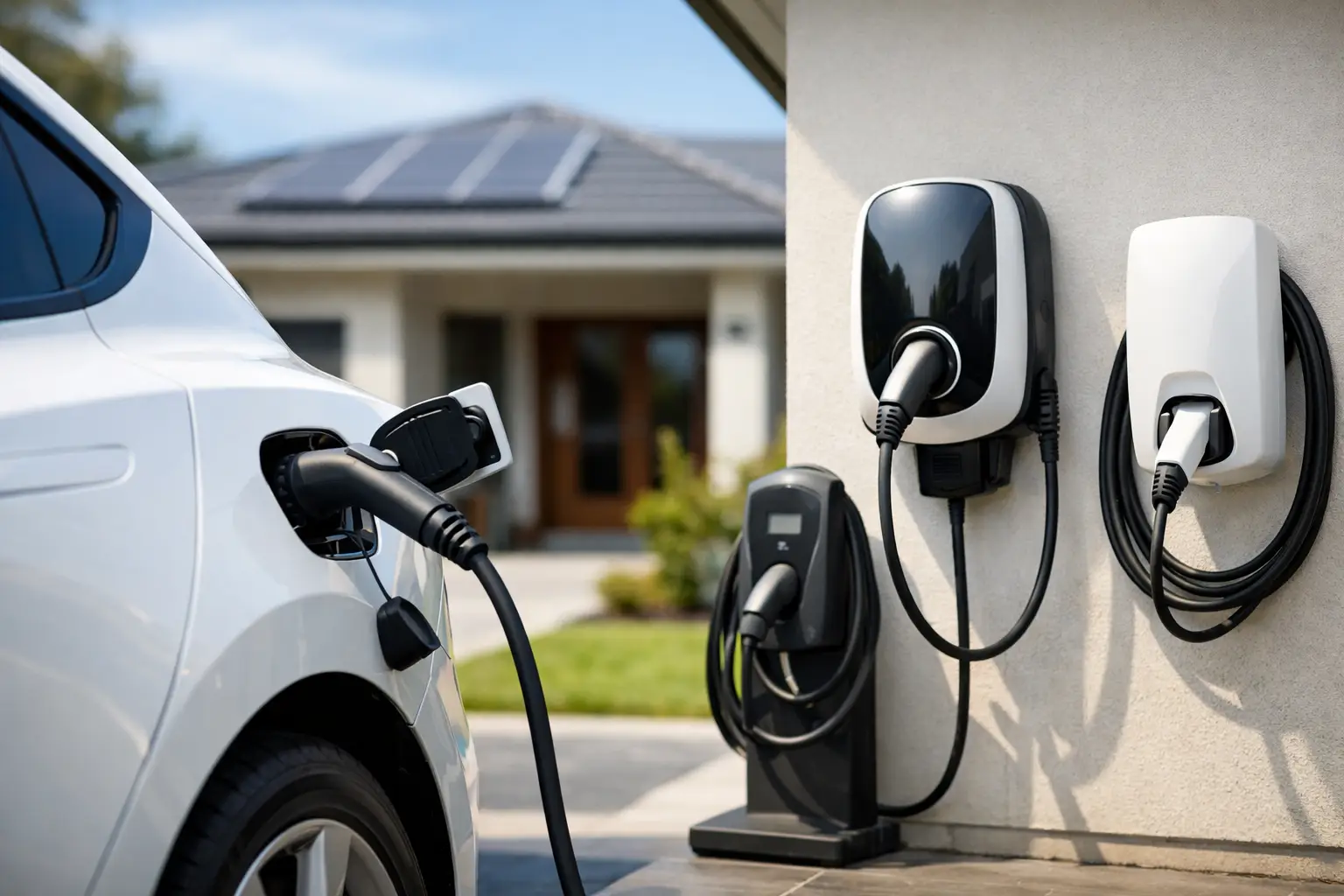
Knowing your electricity peak times helps you make informed decisions about your energy use. It means you can shift high-consumption tasks, like running a dishwasher or charging an EV, to cheaper off-peak hours. By doing this, you not only save on your electricity bill but also reduce pressure on the grid during peak demand.
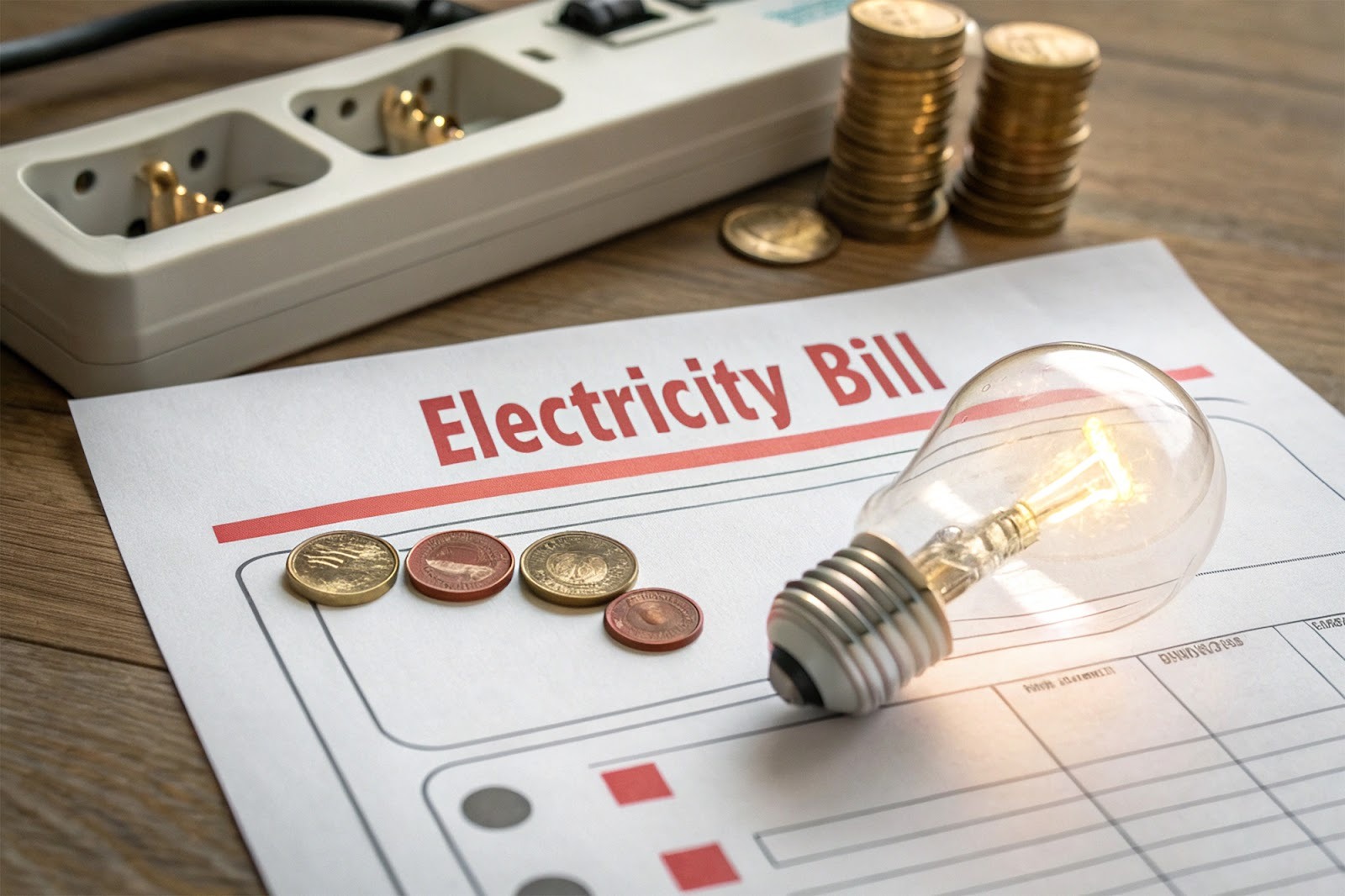
Electricity in New South Wales is billed differently depending on your energy plan. If you’re on a time-of-use tariff, your rate changes throughout the day. Off-peak electricity is usually much cheaper than peak electricity rates. It rewards households for using less during busy hours. Even small changes in usage patterns, like delaying the washing machine cycle, can add up to noticeable savings over time.
If you’ve never checked your energy plan before, this is the perfect place to start.
The Science Behind Peak Demand: Why Everyone Using Power at Once Drives Costs Up
Electricity demand follows daily rhythms. It rises and falls based on when households and businesses use energy. During peak hour — usually between 4 pm and 9 pm — everyone is home, switching on lights, air conditioning, and kitchen appliances at the same time. This spike in electricity use drives up the demand for electricity across the grid.
When the demand for electricity is high, power companies must generate or source extra supply to keep up. These short bursts of heavy demand are costly to maintain. They often rely on backup power stations or energy imports, both of which increase electricity prices for consumers. The higher the load during peak periods, the more expensive it becomes to supply power to everyone.
Time-of-use tariffs were designed to reflect this pattern. They encourage people to shift their electricity usage to times of day when demand is lower. This helps smooth out energy consumption, reduces strain on infrastructure, and lowers long-term costs for both providers and customers. Origin Energy and other major retailers in New South Wales often offer these tariff structures as part of their electricity plans.
Sydney’s Common Peak and Off-Peak Electricity Schedules: Typical Time Brackets and What They Mean
In Sydney and across New South Wales, electricity providers set time brackets for peak, off-peak, and shoulder times. These reflect typical patterns of electricity usage throughout the day. The exact hours can vary by energy provider, but most time-of-use tariffs follow similar structures.
Peak times usually fall between 2 pm and 8 pm on weekdays, when both households and businesses are active. Off-peak hours are usually late at night or early morning — typically between 10 pm and 7 am — when the demand for electricity is low. Shoulder times, which sit between these periods, offer mid-range rates. They often cover late mornings, afternoons, and weekends when usage is steady but not extreme.
Origin Energy, for example, offers a two-period time-of-use tariff where customers pay higher rates during weekday peak hours and lower rates at all other times. Other electricity retailers may provide more detailed plans, including a five-day time-of-use tariff or a seasonal time-of-use plan that changes rates throughout the year.
It’s worth checking your electricity bill or energy plan to confirm your specific peak and off-peak times. Even small variations like a one-hour shift in peak brackets can affect how much you pay each quarter.
Impact on Appliances: How Air Conditioners, Water Heaters, and Dishwashers Affect Usage Patterns
Your biggest contributors to high energy bills are often the most common household comforts. Air conditioners, electric water heaters, washing machines, and dishwashers consume large amounts of electricity, especially during peak times. Running these appliances simultaneously during peak hours can cause a noticeable spike in your electricity bill.
For instance, using a reverse-cycle air conditioner during peak demand increases both personal consumption and total strain on the grid. Likewise, heating water during the evening rather than overnight can double your cost per kilowatt-hour. The goal is not to stop using these appliances altogether but to use them wisely based on the time of day.
Installing timers or smart plugs can help shift power-heavy appliances to off-peak periods. This is a practical step towards reducing energy consumption without compromising comfort. Some households even use programmable systems that automatically schedule laundry, dishwashing, or pool filtration cycles outside of high-cost windows.
Smart Energy Planning: Scheduling Tasks Like Laundry or Charging EVs Off-Peak
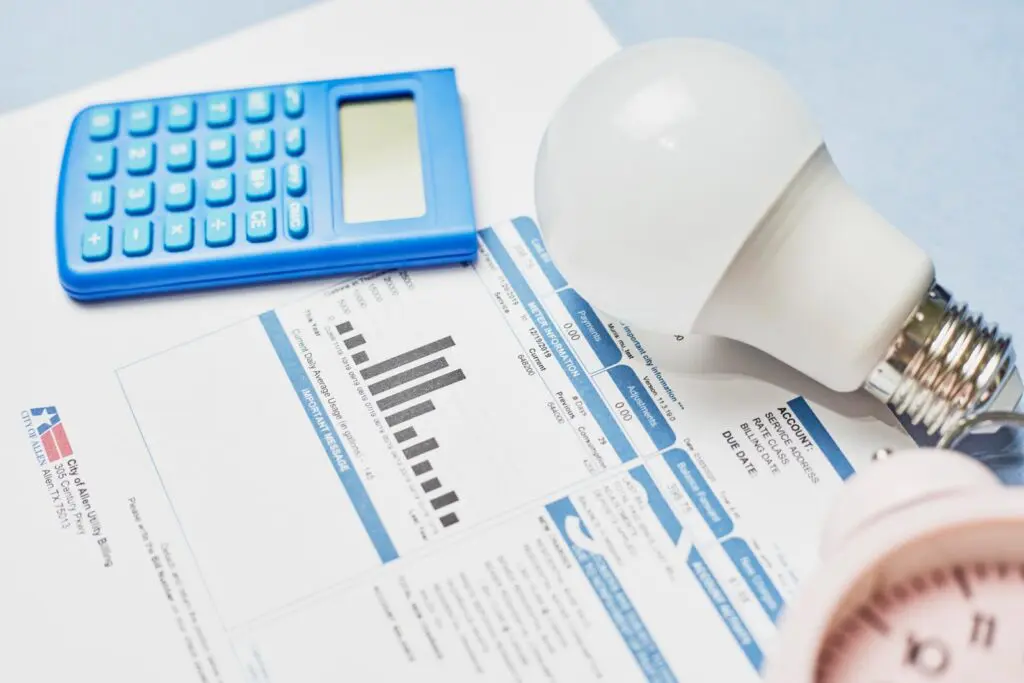
Planning your electricity usage around peak and off-peak hours is one of the most effective ways to lower bills. Off-peak electricity rates are designed to reward users who consume power when demand for electricity is low. This could mean running the washing machine after 10 pm or charging an electric vehicle overnight.
Many energy providers, including Origin Energy, now offer electricity plans that make this kind of scheduling easier. Some even include smart metres that show your usage patterns by the hour. This data helps you identify when you use the most power and when rates are cheapest. Once you know your electricity peak times, it becomes easier to plan around them.
Households in New South Wales can take advantage of off-peak usage by shifting simple daily activities. Washing clothes, running pool pumps, or charging gadgets overnight can lead to significant long-term savings. For families with flexible schedules, this approach can reduce annual energy costs without changing habits dramatically.
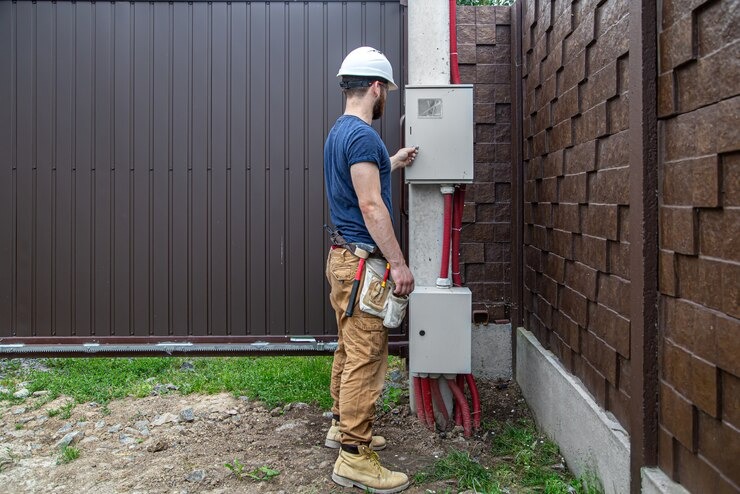
At Bright Choice Electrical, we encourage smarter energy habits. We can install modern timers, motion sensors, or automated systems to help you make the most of your off-peak periods. Talk to us about creating a setup that matches your home’s daily rhythm.
Common Household Habits That Increase Bills During Peak Hours
Many households don’t realise how small choices lead to higher electricity bills. Simple habits like cooking during the evening rush, running the clothes dryer at dinnertime, or leaving multiple devices charging overnight all add up. Because electricity prices are highest during these hours, every extra kilowatt consumed costs more.
Appliances like air conditioners, electric ovens, and tumble dryers have high wattage demands. Using them all at once, especially during peak electricity times, creates unnecessary cost spikes. Even standby power, the energy used by idle TVs or chargers, contributes to total consumption.
Learning to shift routines away from these hours is key. Running dishwashers after 10 pm or pre-cooling rooms before the evening helps balance comfort and cost. If you live in a larger household, staggering usage – for example, avoiding everyone showering back-to-back in the evening – can help lower the total load.
Environmental Benefits: How Using Less During Peak Hours Supports a Greener Grid
Reducing energy use during peak hours doesn’t just lower your bill; it benefits the environment. When demand for electricity is high, power companies often rely on less efficient backup sources to keep supply steady. These plants are typically fossil-fuel-based, which means more emissions during peak demand periods.
By shifting electricity usage to off-peak hours, households can help stabilise the grid and reduce the need for additional power generation. This supports cleaner, renewable energy sources like solar and wind, which operate best when demand is balanced throughout the day.
Widespread adoption of off-peak habits creates a cumulative effect. As more people use less electricity during high-demand windows, overall infrastructure stress decreases. That leads to fewer blackouts, lower maintenance costs, and a more sustainable national energy system.
Bright Choice Electrical’s Role: Helping Homeowners Design Smarter, Cost-Effective Setups
Bright Choice Electrical has worked with Sydney homeowners for years, helping them understand their energy patterns and build efficient systems that suit their lifestyles. Whether it’s installing smart thermostats, upgrading lighting to LED, or adjusting circuits for better power distribution, our electricians tailor every project to reduce unnecessary consumption.
We specialise in creating solutions that align with time-of-use tariffs. This means designing setups where heavy-load appliances can run automatically during cheaper off-peak periods. From homes with solar panels to units with shared metering, we customise every configuration to maximise savings without sacrificing performance.
Our team also conducts energy assessments to highlight where improvements can be made. We show clients how to interpret electricity bills, understand different electricity rates, and identify opportunities to save on their electricity costs. Our work isn’t just about fixing electrical issues; it’s about helping households use electricity smarter, safer, and more affordably.
If you’re ready to make your home more efficient and lower your bill, contact Bright Choice Electrical today. We’ll help you take advantage of your off-peak electricity times and build a setup that works with your daily rhythm.
Book an Energy Assessment with Bright Choice Electrical and Start Saving on Electricity Today
Knowing your electricity peak and off-peak times is one of the simplest ways to cut costs without changing your lifestyle drastically. With professional guidance from Bright Choice Electrical, you can align your appliances, timers, and daily routines to make the most of your plan. We serve Sydney and surrounding regions, helping homeowners save money while promoting sustainable energy use. Whether you’re reviewing your energy plan or considering upgrades, our electricians can assist with tailored advice and efficient installations.
Reach out today to schedule your in-home energy assessment. Let’s help you lower your electricity costs and enjoy smarter, more sustainable power use all year round.