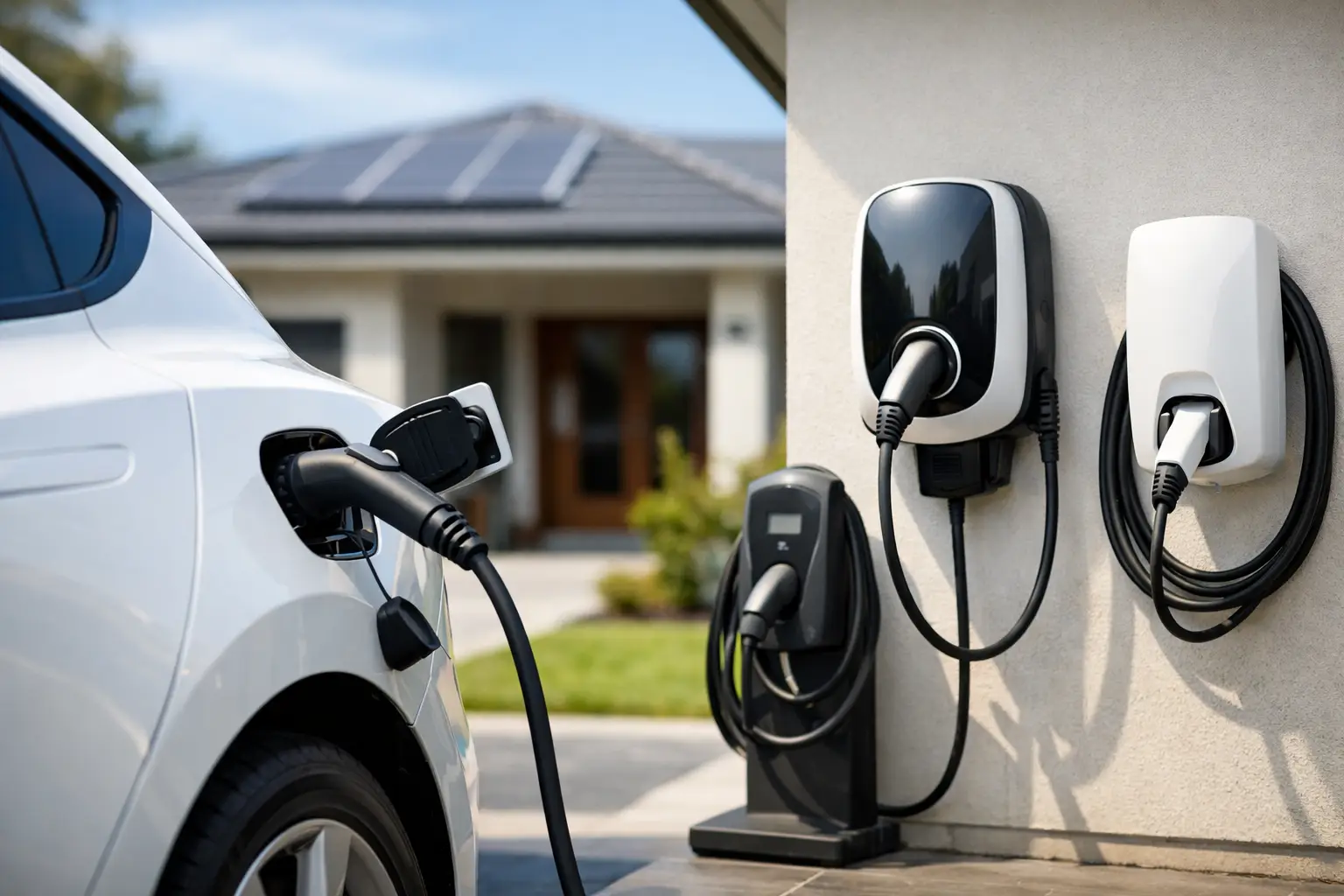
If you have just bought an electric vehicle, the charger decision shows up fast. Most Sydney homeowners start by asking about the best EV chargers Australia has available, but the better question is which charger suits your home, your car and the way you actually drive. A charger that looks great on paper can still be the wrong fit if your switchboard, parking layout or daily routine says otherwise.
For most households, this is not just about speed. It is about safety, convenience and getting a setup that works properly for years. That means looking past brand hype and focusing on charging capacity, smart features, durability and whether your electrical system is ready for the load.
What makes the best EV chargers Australia buyers should consider?
The best charger is usually the one that matches your vehicle, your available power supply and how much control you want over charging times. In Australian homes, the main choice is between a standard power point, a single-phase wall charger and, in some cases, a three-phase charger.
A standard power point can be enough for very light use, but it is slow and not ideal as a long-term charging solution for most drivers. If you use your EV daily, a dedicated wall-mounted charger is the practical option. It charges faster, includes built-in protections and is designed for repeated use.
Single-phase chargers are common in homes across the North Shore and Northern Beaches because many properties only have single-phase supply. They are usually more than adequate for overnight charging. Three-phase chargers can deliver faster charging, but only if the property has three-phase power and the vehicle can accept it. That is where a licensed electrician becomes important, because there is no point paying for extra charging capacity you cannot use.
Charger speed matters, but only up to a point
This is where many buyers get pushed toward the biggest unit they can find. In reality, faster is not always better. If your car is parked at home every evening from 6 pm to 7 am, you may not need maximum charging speed at all.
A 7 kW single-phase charger is often the sweet spot for Australian homes. It gives a strong balance of charging speed, installation practicality and cost. For households with larger battery EVs, more frequent driving or multiple electric cars, stepping up to a higher-capacity charger may make sense, but only if the home can support it.
There is also the issue of overall household demand. Air conditioning, ovens, pool equipment and EV charging all draw power. A charger that can communicate with the rest of the home and adjust its output can be a smarter choice than a more powerful unit running flat out.
Smart features worth paying for
Not every smart feature is useful, but some genuinely improve day-to-day ownership. App control is one of them. Being able to schedule charging for off-peak times, monitor energy use and check charging status from your mobile is handy, especially if you want to keep running costs under control.
Load management is another feature worth serious attention. This allows the charger to adjust output based on how much electricity the house is using at the time. It helps reduce the risk of overloading circuits and can avoid more expensive electrical upgrades in some homes.
Solar integration is also increasingly popular. If you have rooftop solar, some chargers can prioritise excess solar generation instead of drawing from the grid. That can make a real difference for households trying to get the most value from their solar system.
RFID access control can matter in apartments, shared parking areas or commercial settings where you do not want anyone plugging in without permission. For a typical family home, it may be less important, but in the right setting it adds useful control.
Build quality and weather protection
In Australia, heat, coastal air and outdoor exposure all matter. A charger installed in a garage has an easier life than one mounted on an exterior wall near the beach. If your property is in areas such as Manly, Dee Why or other coastal parts of Sydney, durability should be part of the conversation.
A well-built charger should have a solid enclosure, proper ingress protection and components suited to Australian conditions. This is not the place to cut corners with unknown online brands. Cheap units can end up costing more if they fail early, have poor support or create safety issues.
Good after-sales support matters too. If there is ever a fault, firmware issue or warranty claim, it is far easier when the charger is from a brand with a clear Australian presence and reliable product backing.
Best EV chargers Australia buyers often shortlist
While the right product depends on the site, several charger brands are commonly considered by Australian homeowners because they are well known, compatible with many EVs and offer features suited to local use.
Tesla Wall Connector is often shortlisted for its clean design, good charging performance and strong appeal for Tesla owners, though it can also work with other compatible vehicles depending on the connector setup. It is a strong option when simplicity and brand integration matter.
Ocular chargers are popular in Australia because they are widely available and often offer a good mix of value and functionality. They can suit homeowners who want smart charging features without stepping into a premium price bracket.
Zappi is often chosen by households with solar because of its energy management features. If your goal is to align charging with solar generation, it is one of the more attractive options. That said, it may be more charger than some homes need if solar optimisation is not a priority.
Fronius Wattpilot also appeals to solar-conscious buyers, particularly where there is already a broader home energy setup in place. It can be a strong fit, but the best value tends to come when the charger is part of a well-planned system rather than a standalone add-on.
Wallbox units are another common choice, especially where compact size, smart controls and load balancing are important. They tend to suit modern homes and renovated properties where owners want a tidy, connected solution.
There is no single winner for every property. The best unit for one family in Mosman may not be the best option for a duplex in Brookvale or a commercial site in North Ryde.
Installation matters as much as the charger itself
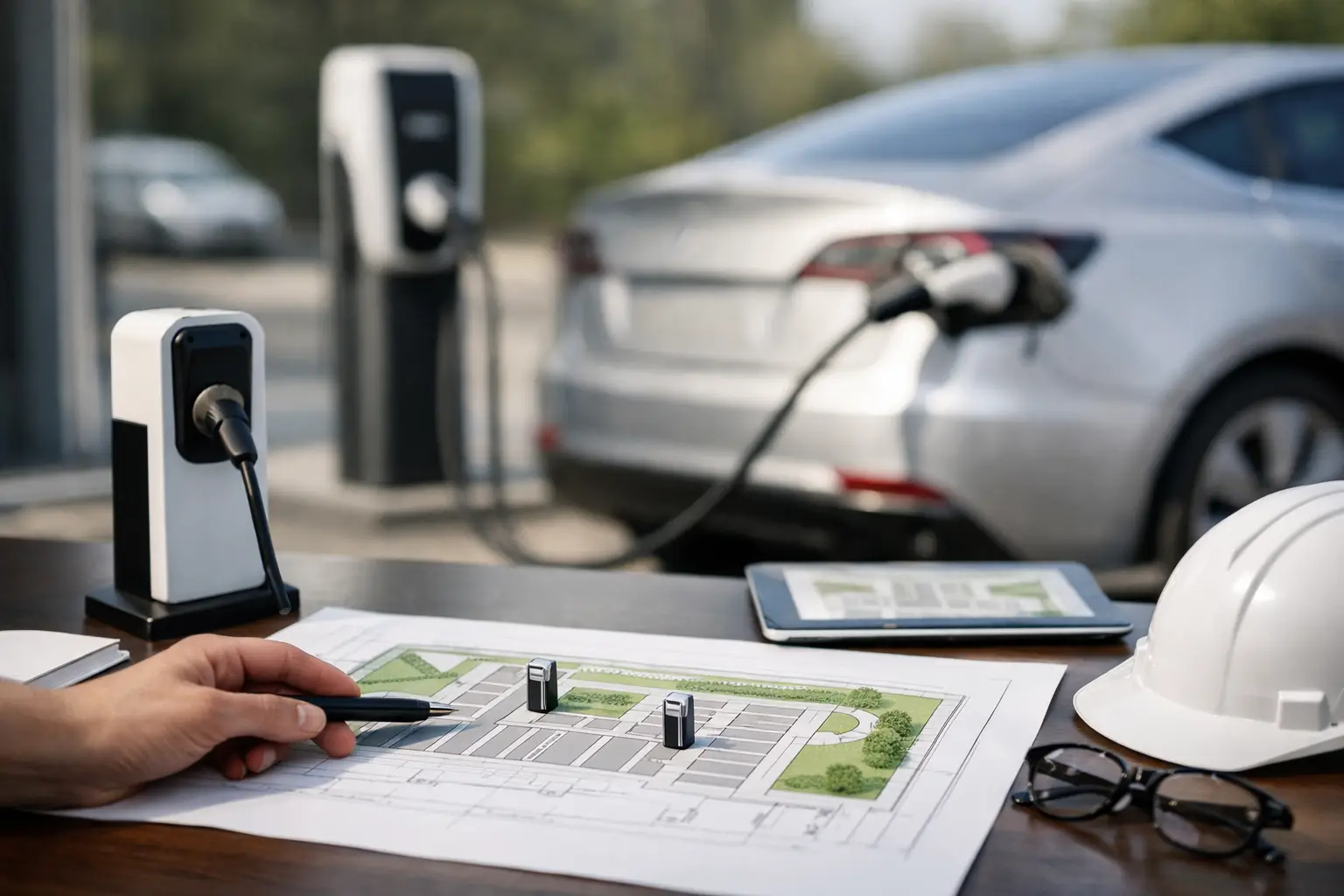
A quality charger still needs a proper installation. That starts with checking switchboard capacity, cable run distance, mounting location, Wi-Fi reliability if smart features are required, and whether the home needs circuit upgrades or surge protection.
This is where many hidden differences in price come from. One home may allow a straightforward install close to the switchboard. Another may need a long cable run, switchboard modifications or additional protection devices. That is why a proper site assessment matters more than a generic online estimate.
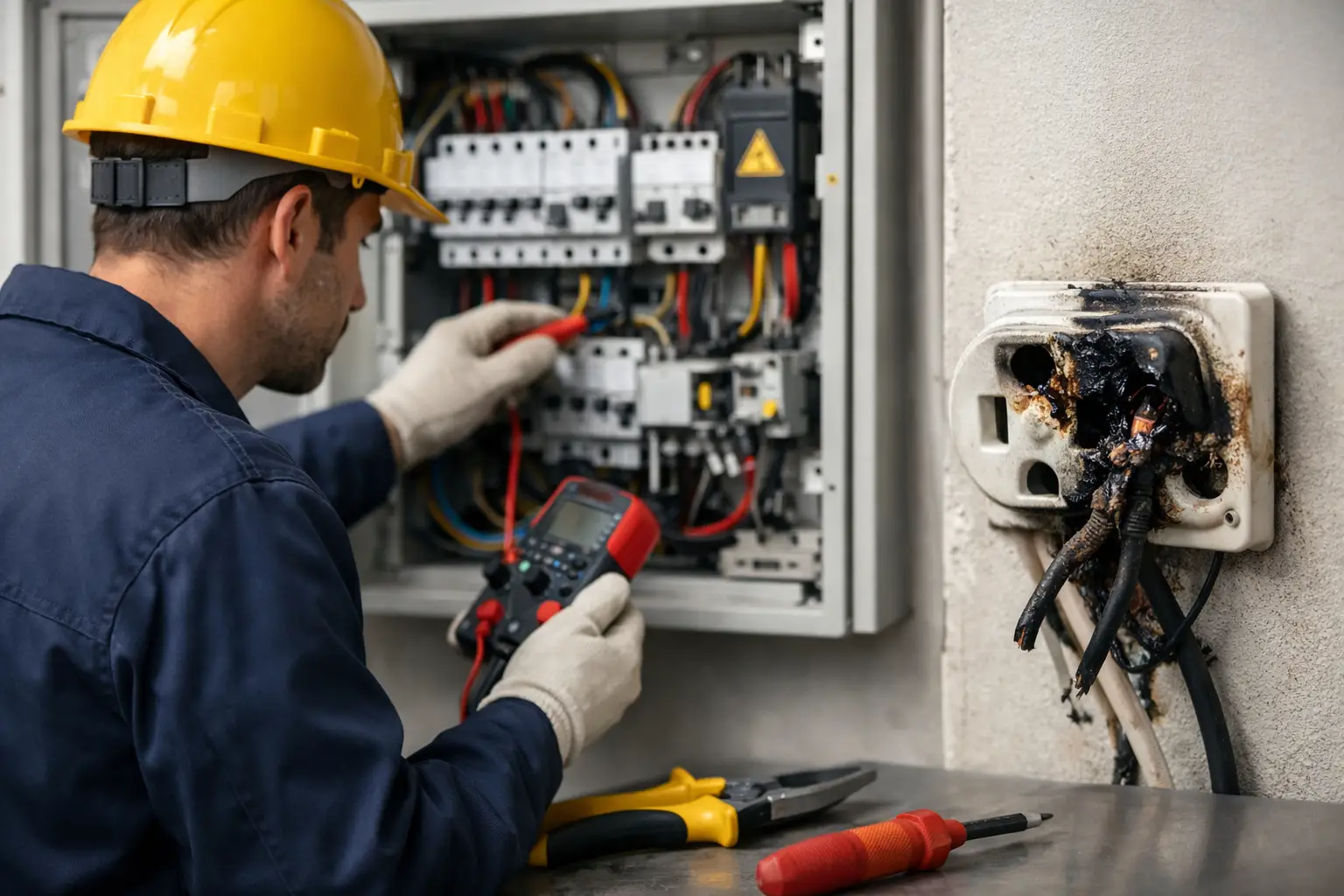
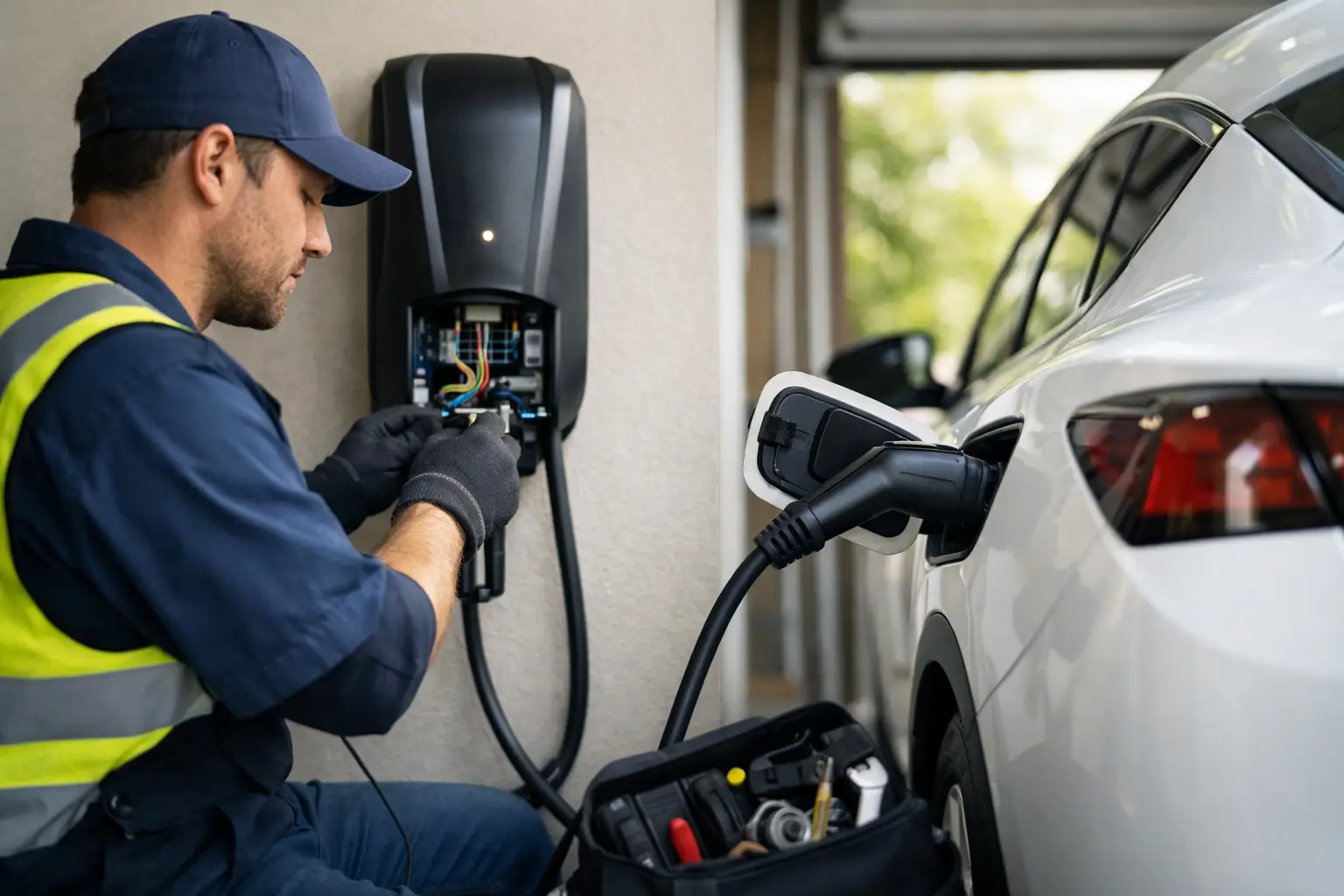
A licensed electrician should also make sure the charger is installed to Australian standards and configured correctly for the property. Safe isolation, correct circuit protection and suitable cable sizing are not optional extras. They are the basics of a reliable EV charging setup.
Cost versus long-term value
Most homeowners want a sensible balance between upfront cost and future convenience. That is reasonable. But the cheapest charger on day one is not always the best value over five or ten years.
A slightly better unit with stronger load management, better weather protection or smoother app control can be worth it if it prevents future frustration. The same goes for electrical preparation. If your household is likely to add a second EV later, it can be smart to plan for that now rather than redo the work down the track.
For landlords and small commercial properties, reliability is often the priority. Tenants and staff are not interested in charger specifications. They want something that works, is safe and does not create maintenance headaches.
How to choose with confidence
If you are weighing up the best EV chargers Australia offers, start with your actual use rather than online rankings. Think about how far you drive each week, when the car is usually parked, whether you have solar, and whether your home is single-phase or three-phase.
Then look at the installation environment. Is the charger going in a secure garage, a carport or an exposed outdoor location? Do you need simple plug-in convenience, solar integration or user access control? Once those answers are clear, the shortlist gets much easier.
For local homeowners, the safest approach is to get advice from a licensed electrician who installs EV chargers regularly and explains the trade-offs clearly. A good installer will not just recommend a product. They will help you choose a setup that suits your property, keeps your household safe and makes owning an EV feel easy from the first charge.
If you are planning an EV charger at home or for a small commercial property, getting the right advice early usually saves money, avoids rework and gives you a setup you can trust every day.