You feel it quickly once you start driving an EV – public charging is handy when you are out, but home charging is what makes ownership easy. A practical garage EV charger guide helps you get the setup right from the start, especially if you want safe, reliable charging without guesswork, delays or surprise electrical issues.
For homeowners across Sydney’s North Shore and Northern Beaches, the right charger is not just about speed. It is about how your home is wired, where your car parks, what your switchboard can handle and whether the installation will still suit you in a few years. That is where careful planning matters.
Why a garage EV charger guide matters
A garage charger looks simple on the wall, but the work behind it can vary quite a bit from one home to another. A newer house with spare capacity in the switchboard may be straightforward. An older property in Mosman, Manly or Neutral Bay may need extra attention before a charger can be installed safely.
There is also the question of daily use. A charger that technically works is not always the one that works best for your household. Cable reach, parking position, weather exposure, charging times and future vehicle upgrades all affect what will feel convenient long term.
When homeowners rush the decision, they often focus only on charger price. In practice, installation cost, electrical capacity and ease of use usually make a bigger difference to overall value.
The main charger options for a home garage
Most households are choosing between standard power charging and a dedicated wall-mounted EV charger. Standard charging from a regular socket is the slowest option and may suit only very low daily driving. It can also be less practical if you need dependable overnight charging for a busy household.
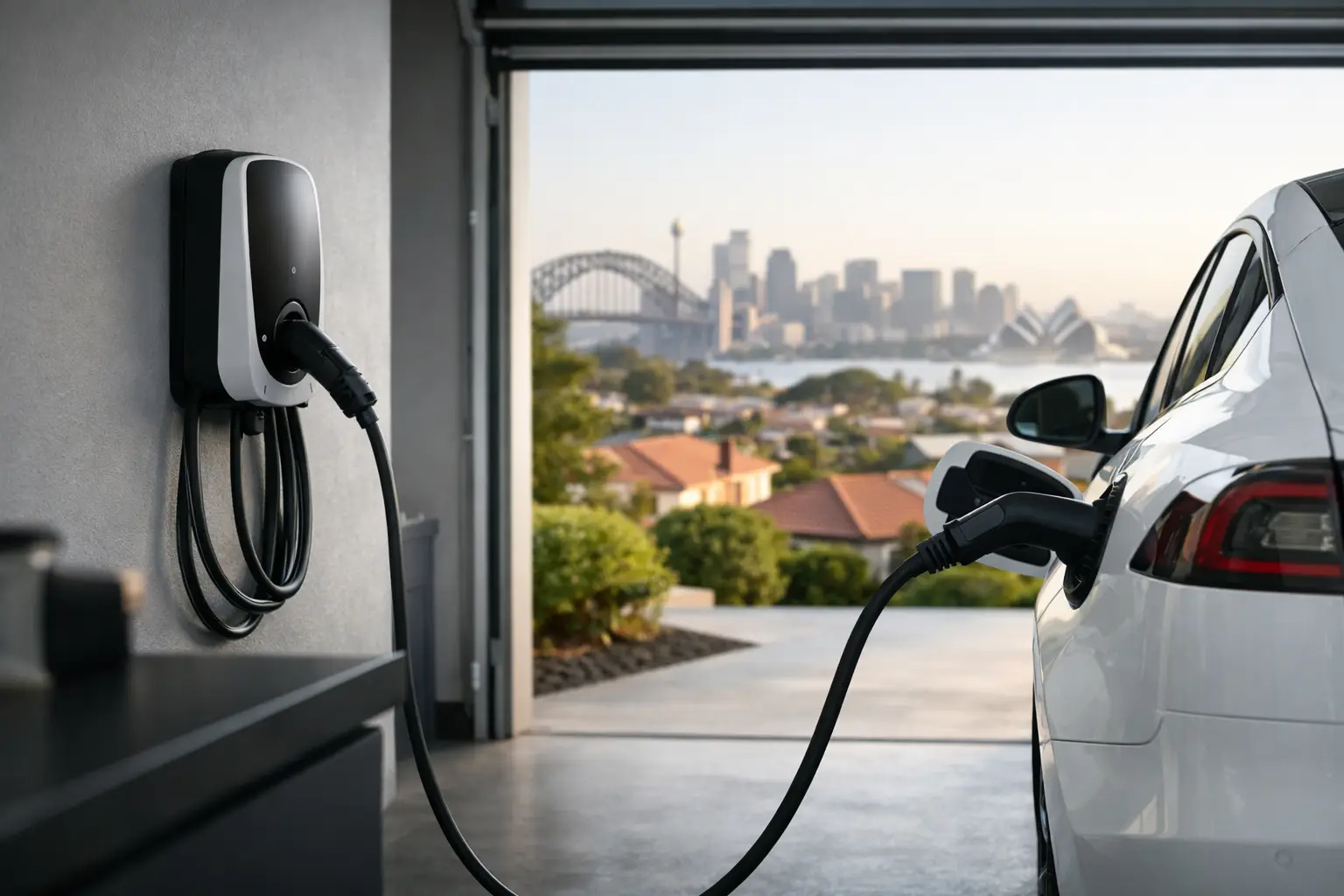
A dedicated wall charger is the better fit for most garage installations. It charges faster, is designed specifically for EV use and generally gives you a safer and more consistent setup. Depending on the charger and your electrical supply, this can mean much shorter charging times and more control over when the vehicle charges.
Some chargers are fairly simple, while others include app controls, scheduling, usage tracking and solar integration. Those features can be worthwhile, but only if they suit how you actually use the car. If you just want to plug in overnight and wake up to a charged vehicle, a simpler unit may be the better choice.
Single-phase or three-phase
This is one of the first technical questions that affects charger performance. Many homes have single-phase power, while some properties have three-phase. A three-phase supply can support faster charging, but not every home has it and not every EV can make full use of it.
That means faster is not always the right target. If your car is parked overnight every night, single-phase charging may be more than enough. If you drive long distances daily or want to future-proof for another EV, three-phase may be worth considering if the property supports it.
What to check before installing a garage EV charger
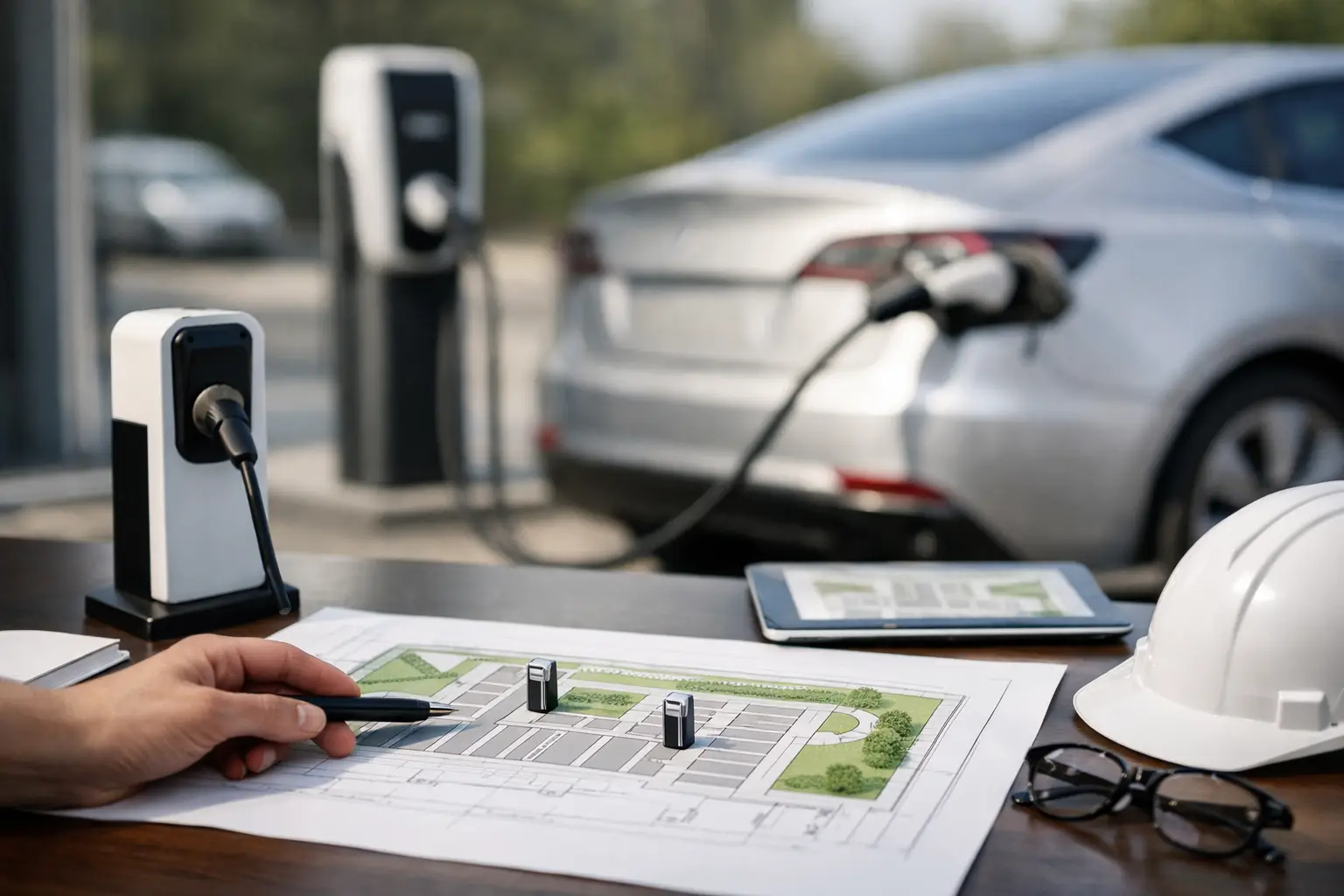
The most important part of any garage EV charger guide is the home assessment. Before a charger is selected, a licensed electrician should look at your existing electrical system and the practical layout of the garage.
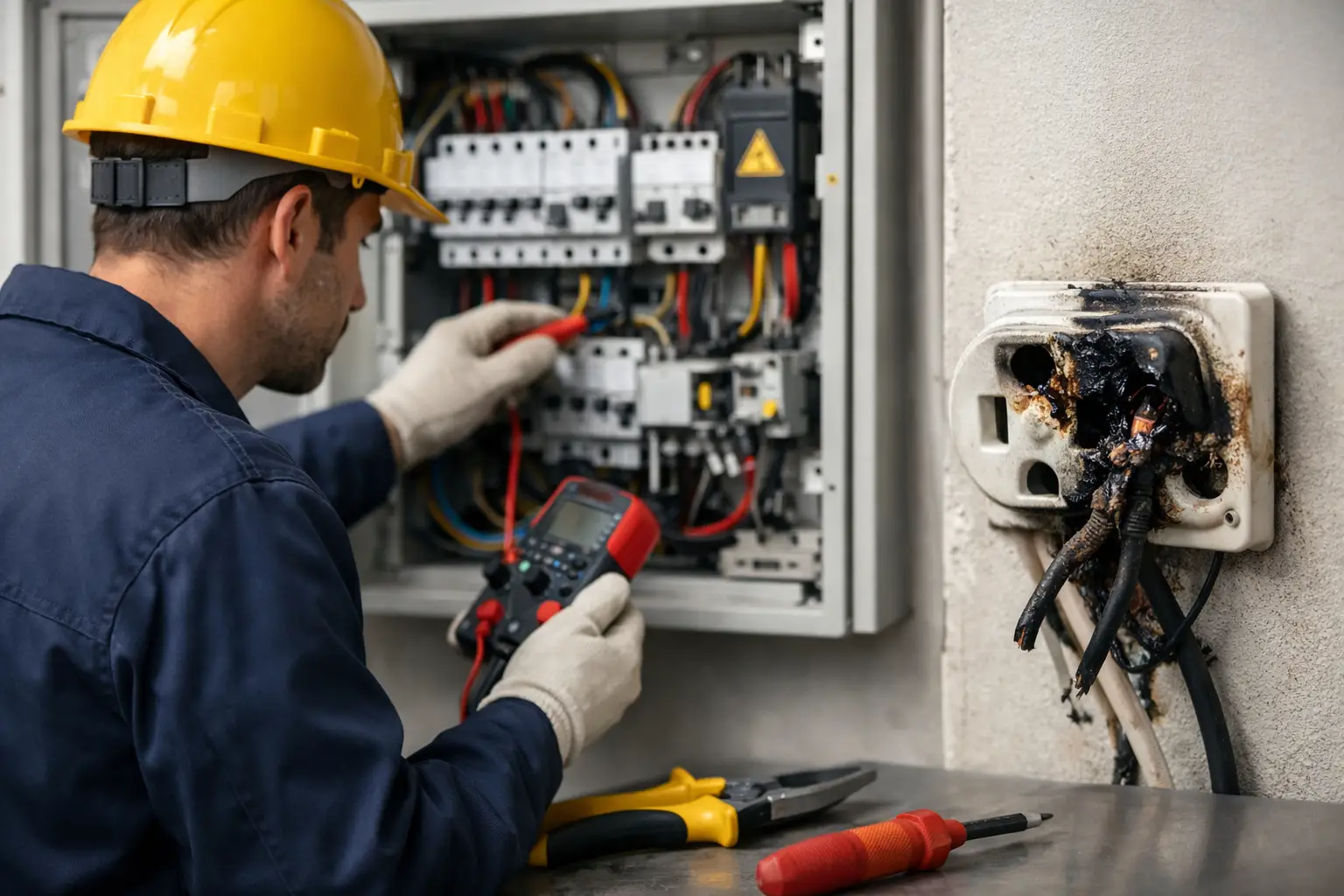
Your switchboard is a major part of that conversation. If it is older, crowded or already near capacity, you may need upgrades before adding an EV charger. That is not a sales add-on. It is about making sure the charger runs safely alongside the rest of the home.
Cable route matters too. A charger mounted near the parking position is usually the neatest and easiest option, but some garages make that difficult. In homes with tight layouts, detached parking or shared walls, installation can take more planning to keep the result tidy and compliant.
You will also want to think about who uses the space. If the garage is also used for storage, bikes, tools or access to the house, charger placement should not create a trip hazard or make the cable awkward to manage.
Common site issues in Sydney homes
Local homes are rarely identical, and that affects installation. Older brick garages may have limited wall space or more complex cable runs. Apartment and townhouse setups can involve strata considerations. Homes undergoing renovation may be ideal for installing a charger at the same time, as access is often easier before walls and finishes are complete.
In coastal areas of the Northern Beaches, equipment choice and mounting position may also need extra thought due to exposure and general wear over time. Good installation is not only about getting power to the charger. It is about making sure the whole setup lasts well in the real conditions of the property.
Choosing the right charger for your household
The best charger is usually the one that suits your routine, your car and your home – not the one with the longest feature list. If you commute locally and charge overnight, a modest setup may be perfect. If you manage two vehicles, run a business from home or want charging tied to solar production, your needs will be different.
It helps to think about three things. First, how quickly do you actually need the car charged? Second, are you likely to change vehicles in the next few years? Third, do you want a basic plug-in experience or smart controls for scheduling and monitoring?
Load management is another useful feature in some homes. This helps the charger adjust its power use in relation to the rest of the property, reducing the chance of overloading the electrical system when appliances are running at the same time. In houses with air conditioning, electric cooking and pool equipment, that can be especially valuable.
Safety, compliance and why installation is not a DIY job
EV charger installation must be carried out properly by a licensed electrician. This is not only about meeting regulations. It is about protecting your home, vehicle and family.
A compliant installation may involve dedicated circuits, appropriate protection devices, correct cable sizing and testing once the work is complete. The exact requirements depend on the charger, the switchboard and the property. That is why a proper site assessment is so important.
If an installer skips over the details, problems can show up later as nuisance tripping, charging faults or avoidable stress on the electrical system. Good workmanship is usually visible in the final finish, but it also matters in the parts you do not see – inside the switchboard, in cable selection and in the quality of testing and commissioning.
Planning for solar, batteries and future EVs
Many Sydney homeowners are thinking beyond a single charger. If you already have solar, or plan to add it later, it makes sense to choose a setup that will still work well as your home changes.
Some chargers can prioritise solar generation, which may help reduce charging costs during daylight hours. Whether that is worthwhile depends on your work patterns, when the car is at home and how much solar your system produces. For households where the car is away all day, solar-only charging may sound better on paper than it works in practice.
Future planning also matters if you expect a second EV. It may be more cost-effective to prepare for that now rather than rework the installation later. Even if you only install one charger today, allowing for future capacity can save time and money down the track.
What the installation process usually looks like
Most homeowners want to know what will actually happen on the day. A professional installation normally starts with confirming the charger location, checking the cable route and reviewing the switchboard. If upgrades are needed, that should be explained clearly before work starts.
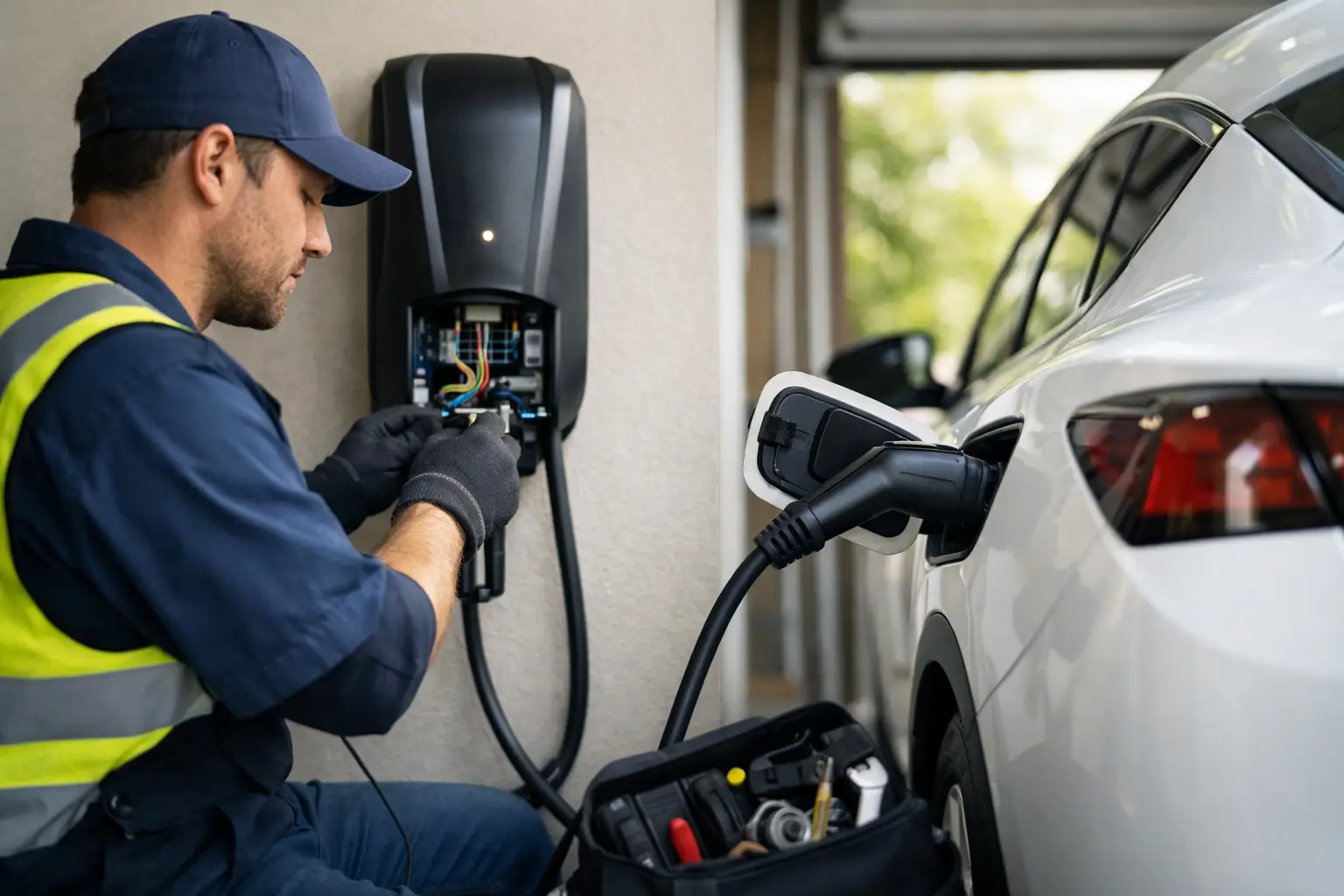
From there, the charger is mounted, wiring is completed, protection is installed as required and the system is tested. A good electrician will also walk you through basic operation so you know how to charge the car, manage the cable and use any smart features.
The smoothest jobs are usually the ones where expectations are clear from the beginning. That means transparent advice on costs, likely timeframes and any site-specific limitations. Bright Choice Electrical takes that approach because most customers do not want jargon – they want a safe, tidy result and straightforward communication.
Cost expectations and what affects the price
There is no single price for a garage EV charger installation because homes vary too much. The charger itself is only one part of the cost. Switchboard condition, cable distance, mounting complexity and any upgrade work can all affect the final figure.
That is why very cheap headline pricing can be misleading. A proper quote should reflect the actual property, not an ideal scenario that applies to almost no one. Paying for the right assessment early usually prevents frustration later.
A good charging setup should feel easy every day. You park, plug in and get on with life. If your garage EV charger guide leads you to one decision, it should be this: choose a setup that is safe, practical and suited to your home, not just the quickest option on paper. A little planning now makes home charging far more convenient for years to come.