Electricity is one of the most powerful forces in your home, but also one of the most dangerous if not handled correctly. A simple mistake, like misreading electrical wire colour codes, can lead to electric shocks, equipment damage, or even fires. Many homeowners and even people working on their own wiring projects underestimate the risks involved when working with electrical wires without fully understanding the colour codes. These colour codes are there to protect you, so ignoring or misunderstanding them puts you and your home at significant risk. If you want to keep your home safe and avoid costly electrical faults, it’s important to understand what these colours represent and why they matter.
In this detailed guide, we’ll cover everything you need to know about Australian electrical wire colour codes. We’ll explain what each wire colour means, the dangers of confusing them, and how wiring standards have evolved over time. You’ll discover common myths, learn what to do if your wiring doesn’t match the current standards, and gain practical advice to stay safe. By the end of this article, you’ll understand why it’s crucial to always work with or consult licenced electricians when dealing with wiring and electrical work.
Why Wire Colour Coding Matters in Electrical Safety
Electrical wire colour codes exist for one critical purpose: electrical safety. These colours help professionals and homeowners identify which wires are live, neutral, and earth, ensuring that electrical circuits are installed and maintained without mistake. When electrical wires are correctly colour-coded, electricians can safely work on circuits, preventing wrong connections that could lead to serious accidents.
Misreading or ignoring wire colours can cause electrical faults—such as short circuits, shocks, or even fires. For example, mixing up a live wire and neutral wire can cause the electrical device to remain energised, creating a hidden risk of shock. Incorrect earth wire connections leave the system unsafe and susceptible to fault current travelling through unwanted paths.
When working with electrical wiring, especially in homes with children or pets, understanding this colour code is essential. It lets you identify hazards quickly, prevent shocks, and keep your family safe. It also ensures compliance with Australian wiring standards, which are designed to reduce risks in everyday electrical use.
Standard Australian Electrical Wire Colour Codes
Understanding the standard Australian electrical wire colour codes is essential for both electricians and homeowners. These colour codes are designed to improve safety, reduce mistakes during installation or repairs, and ensure compliance with national regulations. By knowing what each colour represents, you can easily identify the function of a wire, whether it’s carrying power, acting as a neutral return, or providing an earth connection.
In Australia, these standards are governed by AS/NZS 3000, also known as the Wiring Rules. Over the years, the colours have been updated to align more closely with international standards, meaning older installations may still use different codes. Recognising these differences is important, particularly when working on renovations or repairs in older homes.
Brown Wire = Active/Live Wire
In Australia, the brown wire universally indicates the active or live wire. This wire carries the flowing electrical current from the power source to your light fittings, appliances, and electrical outlets. It is one of the most important wires to identify safely because it operates at the mains voltage and can cause electric shock or fire if mishandled.
The active wire is insulated with brown colouring to distinguish it clearly from other wires in the same electrical cable. It is responsible for delivering electrical power to whatever device or circuit it is connected to, making it essential to handle the brown wire with respect at all times.
During electrical work, failing to recognise the live brown wire can lead to dangerous situations, such as touching or incorrectly connecting wires that result in sparks or shocks.
Blue Wire = Neutral Wire
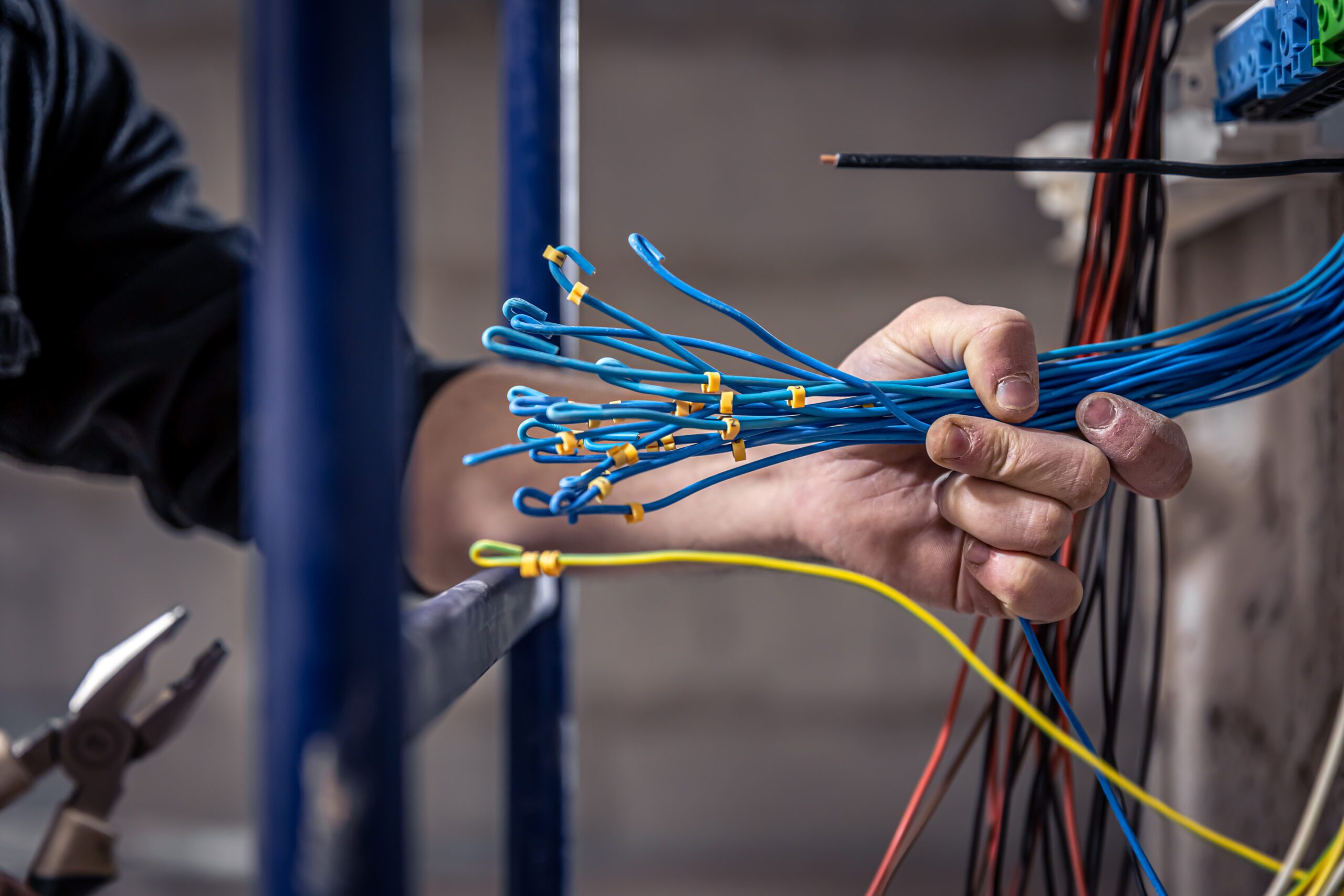
The blue wire indicates the neutral wire according to Australian wiring colour codes. The neutral wire completes the electrical circuit, carrying current back to the power source after it has passed through an electrical device.
Unlike the brown live wire, which carries the electrical power at high voltage, the blue neutral wire is closer to earth potential but still carries current during normal operation. The blue colour coding helps electricians differentiate it from active wires, avoiding confusion during installation or repair.
Neutral wires are connected within switchboards and ensure that electrical systems safely return current for proper functionality. Even though the neutral wire is generally considered less risky, incorrect handling can still cause shocks or equipment faults.
Green and Yellow Wire = Earth Wire
The earth wire in Australian electrical wiring is identified by its distinctive green and yellow striped colour. It is a vital safety component designed to protect users and electrical appliances by providing a path for fault current to safely dissipate into the ground.
The earth wire doesn’t normally carry current but activates during electrical faults to prevent shocks and fires caused by stray electricity. Australian wiring standards mandate earth wires in all grounded systems, and their proper installation is critical for electrical safety.
Green/yellow earth wire leads are found in outlets, light fittings, plugs, and consumer units. They ensure any exposed conductive parts do not pose a risk of electrocution.
Difference Between Single-Phase Wiring and Three-Phase Wiring Colours in Australia
Wiring colours differ based on whether the power supply is single-phase or three-phase:
- Single-phase wiring uses three colours:
- Brown for active/live wire
- Blue for neutral wire
- Green/yellow for earth wire
- Brown for active/live wire
- Three-phase wiring includes additional live wires:
- Brown (L1)
- Black (L2)
- Grey (L3)
- Blue for neutral wire
- Green/yellow for earth wire
- Brown (L1)
These standard colour codes help professionals identify each phase and ensure correct connections, crucial for power reliability and safety in homes, commercial sites, or industrial settings.
How Australian Wiring Standards Align (or Differ) from International Wiring Codes
Australia’s wiring colour standards generally align with the International Electrotechnical Commission (IEC) codes, harmonising safety worldwide. The use of brown, blue, and green/yellow agrees with many European countries, although colours differ in other regions like North America.
It’s important to note these differences when working with imported products or older buildings with mixed wiring systems. Some older or imported equipment may use non-standard wiring colours or labels, which can cause confusion.
Always consult current Australian electrical wiring colour codes or licenced electricians for safe and compliant installations.
What Each Colour Really Means, and What Happens If You Confuse Them

Misconnecting electrical wires can cause dangerous consequences:
- Connecting a live wire as neutral: If the active brown wire is connected where the neutral blue wire should be, devices might appear off but remain energised, placing you at great risk of electric shock while handling appliances or fixtures.
- Wrong earth wire connection: Failing to properly connect the green/yellow earth wire removes essential safety, increasing the chances of shocks and electrical fires happening unnoticed.
- Accidents from ignoring colour coding: Mistakes in wiring colours can cause short circuits, sparks, and equipment failures, which can result in fires and costly replacements.
Electrical wiring is designed with specific colours to reduce human error. Mixing these up ignores the purpose of these codes and escalates the risk.
The Dangers of Misreading Wire Colours
Ignoring or misreading electrical wire colours may lead to:
- Fire hazards: Incorrect wiring leads to excessive heat, sparking, and damage to wiring or adjacent materials. Electrical fires caused by wiring faults are, unfortunately, quite common.
- Equipment failure: Wiring faults caused by wrong connections or poor insulation can destroy electronics, appliances, or motors.
- Electric shock: Accidentally touching live wires or circuits due to poor understanding of wiring colours can cause shocks that are sometimes fatal.
- Tripped breakers or power failures: System instability results in frequent circuit breaker trips or outages, disrupting normal household or business activities.
All these hazards highlight why working knowledge of colour codes is essential and why only licenced electricians should handle electrical wiring.
Common Myths About Electrical Wire Colours
There are many myths around electrical wiring colours that can confuse even experienced DIYers:
- “All blue wires are always neutral.” This isn’t always true, especially in older or mixed wiring systems or when wires have been incorrectly replaced or modified. Blue can sometimes be a switch wire or phase.
- Confusion between old and current wiring colours: Before 2004, Australia had different wiring colour standards (red and black for active and neutral), and many homes still have these older wires inside walls.
- Colour alone doesn’t test wiring: Colour coding doesn’t guarantee safety or continuity. Testing electrical cables with voltage and continuity testing instruments is necessary before any electrical work.
Relying solely on wire colours without proper testing can result in dangerous errors.
Why Older Homes May Have Different Colour Codes
Australia’s wiring standards changed in 2004, moving from older colours to the current brown, blue, and green/yellow system. Substituting old for new wiring was intended to make electrical systems safer and easier to work on.
Homes built before this change typically contain wiring colours that may include:
- Red (active or live)
- Black or white (neutral)
- Plain green (earth only)
These colours can be confusing and dangerous if not identified properly. Many older homes feature mixed wiring systems due to renovations, requiring careful inspection.
Assuming old wiring colours mean the same as new ones risks faulty connections and serious electrical hazards, which is why rewiring or proper labelling is recommended by licenced electricians.
How Electricians Identify and Correct Wiring Mismatches
Professional electricians use a variety of safe, precise tools and methods to deal with uncertain wiring colour codes:
- Voltage testers and multimeters detect active and neutral wires safely.
- Continuity testers allow electricians to trace wires and check for disconnections or shorts.
- Labelled wiring diagrams and schematic references help map older or complex systems.
Once identified, electricians will correct wiring by:
- Rewiring to current Australian standards where necessary.
- Carefully reconnecting plugs, switches, or outlets to match correct colours and functions.
- Replacing damaged or incorrectly coloured cables.
This expert approach protects your property and ensures ongoing safe electrical service.
When to Call a Professional Electrician
Never hesitate to call a licenced electrician if:
- Your wiring colours don’t match Australian standards.
- Electrical faults, flickering, tripping breakers, or burning smells occur.
- You’re renovating and need to upgrade or extend electrical circuits.
- You discover old electrical wiring colours in an older home.
Electrical colour coding is critical, but performing electrical work without certification is dangerous and illegal. The cost of calling an expert is a small price to prevent accidents and ensure adherence to safety standards.
Conclusion
Understanding and correctly reading Australian electrical wire colour codes is essential for the safety and smooth functioning of any electrical system. Each colour has a specific purpose, designed to minimise risk and simplify maintenance or repairs.
Ignoring or confusing wire colours significantly increases risks of electric shock, fire, and equipment damage. Whether you’re a homeowner, DIY enthusiast, or tradesperson, knowledge combined with professional electrical inspections and work keeps you and your family safe.
Always seek licensed electricians for electrical wiring installations, upgrades, or repairs. Bright Choice Electrical is here to help you navigate wiring complexities with expert advice and safe electrical services that comply with modern Australian wiring standards.