Have you ever found yourself asking, “What is a short circuit?” while staring at a tripped circuit breaker or an appliance that just won’t work? Many homeowners have faced this electrical mystery, but understanding it is essential for safety and peace of mind. A short circuit is one of the most common and dangerous electrical faults found in homes, often causing unexpected blackouts, fires, and equipment damage. With more gadgets and electrical devices in our lives than ever, knowing the causes and warning signs is crucial.
In this comprehensive guide, you’ll find simple answers to essential electrical questions. We’ll break down what a short circuit is, how everyday mistakes (like running a heater on a wet bathroom floor) increase the risk, and why the right circuit breaker is your home’s electrical hero. Let’s keep your home safer by making sense of short circuits, so you know exactly when to turn off the power and when to call a professional electrician.
What is a short circuit?
In simple terms, a short circuit happens when electricity takes an unintended path through a low-resistance connection, bypassing the designed route through your electrical system. Under normal conditions, the wires in your home carry current to appliances and outlets in a controlled way. But when a short circuit occurs, the current flows where it shouldn’t—usually directly from the “hot” wire to neutral, ground, or another conductor.
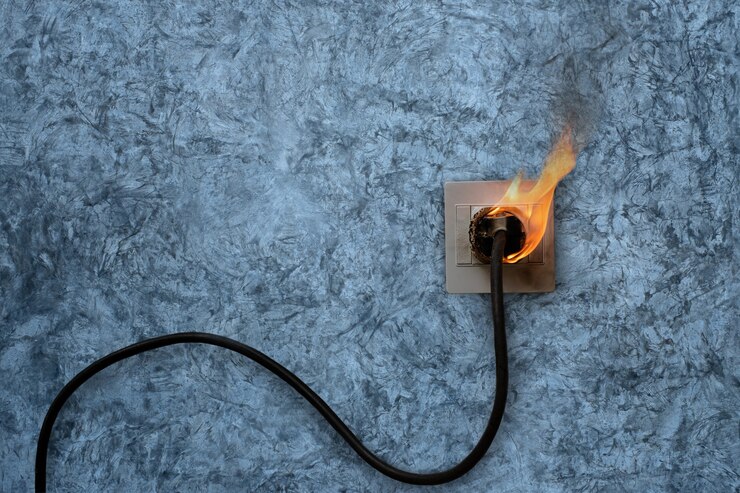
This unintended route creates a massive spike in short-circuit current. Instead of powering your lamp or toaster, the electricity travels with little resistance, generating heat, arcs, and sometimes sparks. Since the wires in your walls or electrical devices aren’t meant to handle such a surge, this often causes a trip at the fuse or circuit breaker, or in the worst cases, even a fire.
Think of a short circuit as a traffic jam on your street—the cars (electrical current) suddenly rush off the main road onto a shortcut (damaged wire or connection), overwhelming the shortcut and causing chaos until a police officer (your circuit breaker) steps in to stop the mayhem. Recognising and addressing a short circuit quickly is crucial for protecting your property and ensuring the safety of everyone inside.
Everyday Examples of Short Circuits at Home
Short circuits aren’t just something that happens in movies or big factories—they are surprisingly common in Australian homes. Here are some everyday examples:
- Frayed extension cords sparking: When the insulation wears away on an old cord, exposed wires touch and create a direct path for electricity to flow, which can cause a short circuit and trigger circuit breakers or a sharp buzz.
- Faulty appliances overheating: A toaster, kettle, or washing machine with internal wiring damage can create a low-resistance connection inside, causing a short circuit that not only ruins the appliance but also risks fire.
- Water leaks touching wiring and outlets: Bathrooms and kitchens are high-risk zones. When water seeps into an outlet or switch, it allows electricity to jump or arc, leading to a short circuit. This is a major concern for wet areas or outdoor power points, where electrical safety is paramount.
Sometimes, the culprit is a child’s toy plug damaged by rough use. Other times, rodents chew wires in the ceiling or walls, causing what seems like a mystery circuit breaker trip—until you spot the chewed insulation.
Common Causes of Short Circuits
Many things can cause a short circuit, but a few issues come up more often than others:
- Damaged insulation around wires: When the protective rubber or plastic covering wears off or is cut (sometimes accidentally when hanging a picture), the wires inside can touch, letting current flow where it shouldn’t.
- Loose connections inside outlets or switches: Over time, outlets and switches can become loose or corroded. If the hot and neutral wires inside make direct contact, you get a short circuit that may trip the breaker and sometimes even create a burning smell.
- Water exposure in bathrooms, kitchens, or outdoor areas: Water is a conductor of electricity. If moisture gets inside an electrical device or outlet, it can allow the current to flow along an unforeseen path.
- Old or faulty appliances: Appliances with worn internal wiring or damaged plugs are common sources of short circuits.
- Nails, screws, or piercings in walls: Accidentally hitting a hidden electrical wire during renovations can cause a direct short between wires or between a wire and a metal object.
All these causes increase the risk of short circuits and highlight why regular inspection and careful use of plugs and appliances are so important.
The Real Danger of Short Circuits
A short circuit isn’t just a nuisance; it’s a danger that threatens both people and property. Here’s why:
Firstly, a short circuit causes a massive surge in current flow. The wires heat up rapidly, possibly creating sparks and arcs that can ignite wood, insulation, or even dust. Electrical fires from short circuits are a leading cause of house fires in Australia.
Secondly, exposed or faulty wiring during a short circuit can result in electric shock or even fatal electrocution. This is particularly true with old extension leads, bathroom appliances near water, or any tool with frayed cords.
A short circuit can also permanently damage expensive electronics, trip circuit breakers, or melt plugs and wires within the circuit, sometimes leaving your electrical system in a worse state than before. Ignoring these events—or repeatedly resetting a tripped circuit instead of finding the cause—increases the risk dramatically.
Even if the risks seem invisible, they’re real. Unchecked short-circuit current can travel throughout your home, damaging multiple outlets, appliances, or even the electrical panel itself.
Types of Short Circuits
Short circuits come in a few varieties, each with its own risks and dangers:
- Line-to-line faults: This type of short circuit occurs when the current jumps directly between two conductors supplying electrical power (for example, active to neutral or active to active), bypassing the intended appliances or loads. It results in a high amount of current to flow instantly.
- Line-to-ground (ground fault): Here, the current travels from the “hot” wire to a grounding conductor (usually earth), causing a surge called a ground fault current. Bathrooms, kitchens, and outdoor power points are particularly at risk of this type.
- Neutral-to-ground faults: Although less common, they can still interrupt the normal flow of electricity and create overheating or unpredictable tripping in your electrical system.
Each type of short circuit can lead to different problems—from immediately tripping a fuse or breaker to slowly degrading your wiring insulation or damaging sensitive electronics.
What’s the Difference Between Short Circuit and Overload?
Short circuit and overload are two terms everyone should understand, especially when tackling electrical safety at home.
A short circuit happens when electricity finds an unintended, low-resistance path that bypasses its normal route (think wire insulation stripped away or faulty wiring connections), causing a huge flow of current.
An overload, by contrast, is when too many devices or appliances draw electrical power to any circuit at the same time, causing more current to flow than the circuit is designed for (imagine plugging five heaters into one outlet).
The difference is critical because both will trip your circuit breaker or blow a fuse, but they have different causes, solutions, and dangers. Short circuits produce much higher fault current instantly and can melt wires or cause arc flashes. Overloads tend to build up heat more slowly and are less likely to create a spark or fire immediately.
If your circuit breaker keeps tripping, it’s wise to have a professional inspect and diagnose the real problem, not just assume you’re using too many appliances at once.
Warning Signs You Might Have a Short Circuit
It’s not always obvious when a short circuit occurs. The good news: there are warning signs to watch for:
- Repeated breaker trips: If your circuit breaker or fuse keeps tripping when you use certain outlets or appliances, a short circuit or ground fault may be at play.
- Flickering lights or sparks: Lights that flicker, dim, or cause buzzing in an outlet might indicate wires have come loose or insulation has worn down.
- Burning smell near outlets or switches: A distinct acrid smell is a clear signal of a short circuit, especially if you see any scorch marks or hear a sizzle.
- Buzzing or humming: Strange noises from outlets or your electrical board often signal an underlying electrical fault.
- Appliance not working, plug feels warm: Sometimes, a short circuit inside an appliance will stop it from working or cause the plug to feel hot or even melt.
If you notice any of these, turn off the power immediately and call a professional electrician.
How Circuit Breakers Protect Your Home
Circuit breakers are like the bodyguard of your electrical system. Their job is to interrupt (switch off) electrical power when they sense a current that is higher than normal.
When a short circuit occurs, the amount of current that flows spikes to levels that could melt metal, set wires on fire, or electrocute a person in an instant. The circuit breaker trips—cutting off the flow to prevent this. Without a breaker or fuse, your electrical system would continue sending current, with possibly fatal or destructive results.
While it’s normal for a circuit breaker to trip occasionally, repeated tripping means an unresolved electrical problem. Ignoring circuit breaker trips could result in electrical fires, appliance damage, or even electrocution.
Remember, a circuit breaker is not a solution—it’s a warning sign telling you to fix the problem.
How to Prevent Short Circuits at Home and Work
A few simple habits can prevent short circuits and keep your home or workplace safer:
- Regular electrical inspection: Have licenced electricians conduct periodic inspections to check for damaged wires, loose outlets, and faulty switches.
- Don’t overload circuits: Avoid plugging too many appliances into one outlet or using multiple high-draw devices on a single circuit.
- Replace frayed cords and plugs: Worn or damaged cords can easily cause a short circuit. Be vigilant and prompt in replacing them.
- Use the correct fuse and circuit breaker rating: An undersized fuse or breaker may trip often, but an oversized one can fail to protect against short circuits.
- Waterproofing: Waterproofing ensures that power points and switches in bathrooms, kitchens, and outdoors are protected and aren’t exposed to water leaks.
- Keep wires and electrical devices out of reach of pets and children.
- Upgrade old wiring: Homes older than 20 years should be checked for outdated wiring insulation and replaced as needed.
Preventing short circuits is mostly about regular maintenance, good habits, and prompt repair when problems arise.
When to Unplug vs. When You Need an Electrician
If you suspect a short circuit, your first priority is safety:
- Unplug: If an appliance is sparking or smells like burning, turn off the power (unplug if safe) and do not use the device again until it’s checked.
- Shut off the circuit breaker: If you notice repeated tripping or hear buzzing, turn off the affected breaker at your switchboard.
- Call a professional electrician immediately: If you are not certain where the problem is or if it involves fixed wiring, always call a professional. Never try to diagnose live wires or open up outlets yourself.
You need an electrician any time:
- Breakers or fuses keep tripping without obvious overload.
- There’s a burning smell or sparking, or you see scorch marks.
- You suspect water has gotten into an outlet or switch.
The only safe option for electrical problems is to turn off the power and call for expert help.
What to Do Before You Call a Professional Electrician
If you’re waiting for a professional electrical service to arrive, here are some important steps to take:
- Turn off the affected circuit: Switch off the breaker for the area where you noticed a problem. This prevents further current flow and risk of fire.
- Keep the area dry: Move any flammable items or furniture away from the outlet or appliance showing trouble, and never touch wet wires or switches.
- Do not attempt repairs: Do not open switches, remove covers, or rewire anything yourself. Leave it all for licenced electricians.
- Notify other household members: Let them know which outlets or circuits are out of action so there are no surprises.
Taking these steps reduces the risk of fire or injury until your electrician arrives.
How Professional Electricians Fix Short Circuits
Licenced electricians use specialised tests and equipment to track down the exact point of failure. Here’s their general step-by-step process:
- Safety first: Professional electricians will always turn off the power at the main switchboard before starting work.
- Inspection and diagnosis: They visually check outlets, switches, and wiring for melted insulation, scorch marks, broken plugs, or poor connections.
- Testing with instruments: Using continuity testers or insulation resistance metres, they will check for low resistance paths and fault current sources within the circuit.
- Removing and replacing faulty components: This may include swapping out damaged wires, tightening connections in outlets, replacing sockets, or even rewiring whole circuits if old insulation is compromised.
- Re-testing: After repair, they run checks to ensure current flow is restored to normal, plugs and appliances are functioning, and the circuit breaker does not trip again under use.
Expert electricians have the training, tools, and knowledge to safely restore your electrical system and ensure it’s safe for use—so you, your family, and your electronics are protected.
Conclusion
A short circuit is more than just an inconvenience; it’s a major hazard that puts homes, businesses, and lives at risk. By understanding what a short circuit is, recognising the warning signs, and knowing when to call a professional, you can prevent disasters like electrical fires, equipment damage, and electric shocks. Remember, your circuit breaker is only the first line of defence—the real solution lies in prompt inspection, repair, and safe electrical habits.
Don’t wait for repeated trips or strange smells. If you suspect a problem, turn off the power to the affected area and contact Bright Choice Electrical for a fast, expert fix. Your commitment to electrical safety is the best way to protect your home and loved ones.