
Exposed wires are one of the most overlooked yet potentially deadly hazards found in homes and businesses across Australia. Many people assume an exposed wire is nothing to worry about unless it’s sparking or visibly damaged, but the truth is that even the smallest area of exposed wiring can lead to an electrical shock, fire hazard, costly property damage, or worse.
In modern households with dozens of electrical appliances and kilometres of wiring hidden behind walls, ceilings, and under floors, the risks associated with exposed wires are more significant than most realise.
This in-depth guide will open your eyes to why exposed wires are dangerous, what puts your electrical system at risk, and what steps you should take to ensure your safety.
The Hidden Dangers of Exposed Wires
At first glance, an exposed wire or a frayed cord might appear harmless, especially if your lights and appliances seem to be working fine. However, exposed wires are a significant risk you should never ignore. The dangers of exposed wires go far beyond immediate shocks or tripped circuits—they can cause long-term hidden damage to your home’s electrical system.
When electrical wiring loses its protective insulation, it exposes the conductive core inside. This can lead to short circuits, arcing, and sparks that ignite building materials or furniture nearby. Even a small exposed area on a single wire can increase the risk of an electrical fire, especially in older properties where wiring can lead to deteriorated insulation and brittle cables. Over time, the risk of exposed wires around the home grows as cords are moved, pinched, or simply age.
There’s also the risk of electrical faults that damage your household appliances. Live wires exposed to air or moisture can send surges of electrical current through anything they touch. This can silently damage televisions, computers, or other valuable electrical products before you even notice. Additionally, every exposed wire is a potential point of entry for pests, dust, and water—each of which can quickly transform a minor issue into a major hazard.
Another major risk from exposed wires is the possibility of electric shock. If you, a child, or a pet happen to touch the wires, especially if your skin is wet, the current can cause injury, burns, or even be fatal. This electrical hazard makes the issue of exposed wires dangerous even when there are no clear warning signs.
Everyday Scenarios That Lead to Exposed Wires
Exposed wiring doesn’t always come from obvious events like a renovation or accident. Everyday activities and ongoing wear and tear in the home can lead to exposed wires without anyone realising.
- Old or Poorly Maintained Electrical Work: Over time, electrical wiring in older homes can become brittle, leading to cracks and exposed areas within the structure. Years of inadequate maintenance of electrical systems increases the risk of exposed wires.
- DIY Renovations Gone Wrong: Attempting to move, cut, or install power points or lights or run new cables without professional oversight may lead to wires being exposed accidentally. DIY electrical work not only leads to exposed electrical wire but also may not meet electrical safety codes.
- Pets and Appliances: Pets, especially dogs and rodents, chewing on electrical cords attached to electrical products, are a common cause of damaged or exposed electrical wire. Moving or rearranging appliances can also pull on cords, bending or pinching them and eventually causing the wires to be exposed.
- Everyday Living: Cords and plugs that are frequently unplugged, plugged, or bent can develop wear points leading to exposed wire. Wires hidden behind furniture or under rugs are easily missed when checking for hazards.
- Outdoor Hazards: Exposed wires outdoors, for example, from garden lighting, pool pumps, or weathered extension cords, are especially dangerous, as water and live wire increase the risk of electrical shock and fire.
The issue of wires being exposed can arise unexpectedly and needs prompt attention to avoid major electrical hazards.
Identifying Exposed Electrical Wire in Your Home
Most people only notice exposed wires when they see obvious frayed wires or dangling electrical cord ends. However, identifying exposed electrical wire can require a bit more vigilance, as many hazards are hidden.
Start by examining common trouble spots where exposed wires can also develop:
- Inside Walls, Under Floors, or Above Ceilings: Exposed wiring within the structure is typically harder to spot. Look for unexplained wall stains, discoloration, or tripped circuits as warning signs.
- Appliances and Extension Cords: Appliances that get hot, make crackling sounds, or have intermittent power may have damaged wires. Frayed or chewed cords are another giveaway.
- Power Points and Light Switches: Loose or wobbly electrical outlets, or switches that spark or feel warm, suggest the possibility of exposed wires behind the faceplate.
- Outdoor Areas: Check garden lights, pump wiring, and power outlets outside for brittle insulation or corroded connections.
- Detached or Broken Faceplates: If a faceplate on an electrical outlet or light switch is loose or broken, immediately check for wires that can lead to dangerous electrical contact.
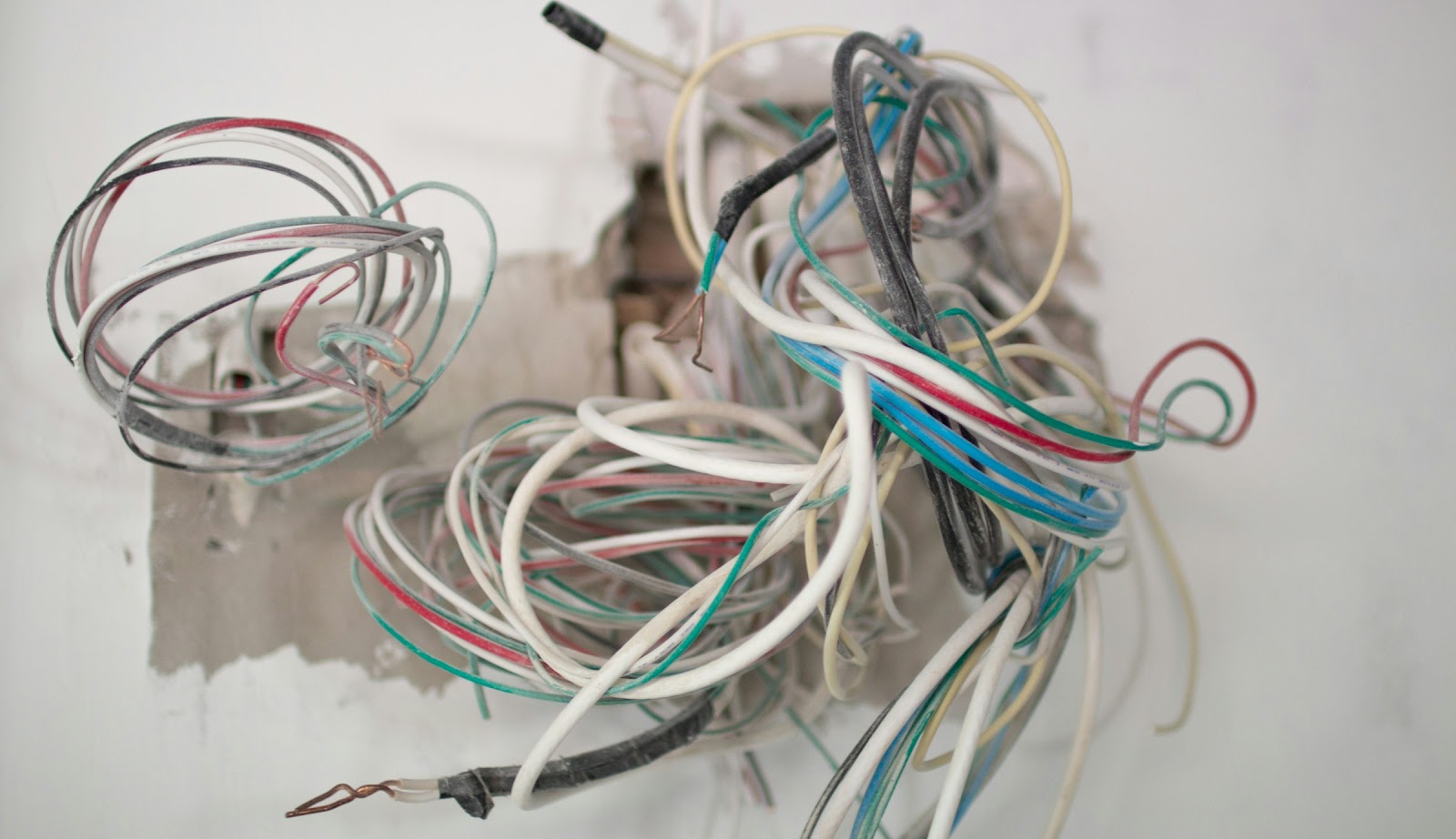
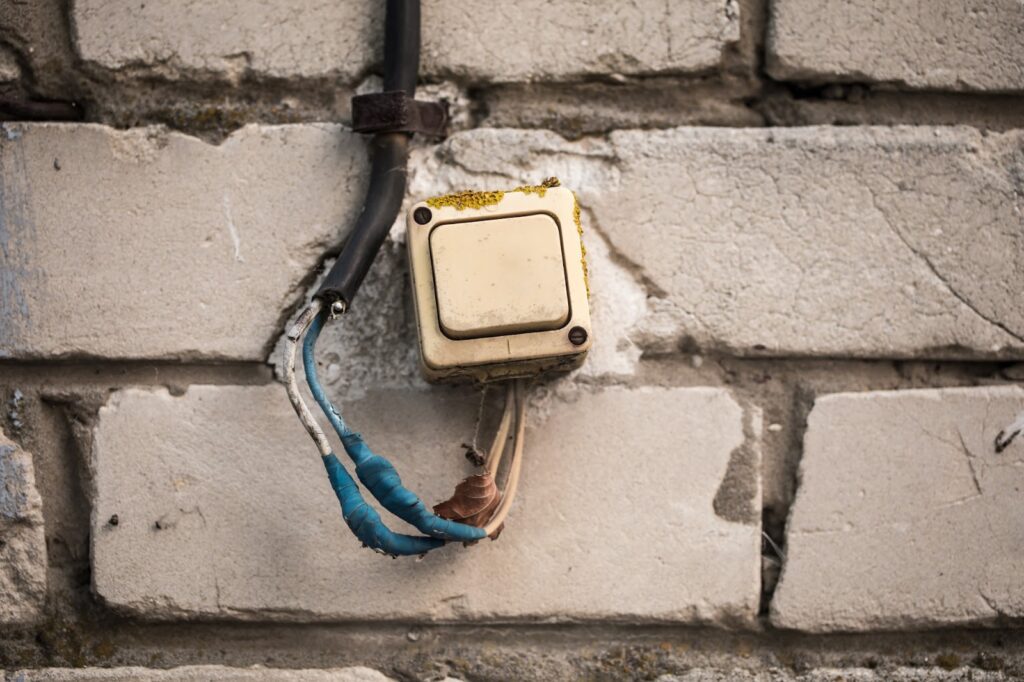
Visually inspect cables; look for any discoloration, exposed copper, or areas where the sheath appears damaged. Be cautious: never touch the wires or attempt repairs without a licenced electrician.
The Real Risks of Exposed Wires
The risks associated with exposed wires are not just theoretical—they are the real cause behind many home disasters. Here’s what can happen:
- Fire Hazard: Perhaps the most serious risk, a short circuit caused by exposed wires can ignite surrounding materials such as timber floorboards, gyprock, or insulation. Electrical fires often start silently in walls or roof cavities—sometimes smouldering for hours before erupting.
- Electrical Shock: Exposed wires can carry enough current to cause serious injury or death if touched. Children and pets are especially vulnerable because they might not recognise the hazard or take precautions.
- Damaged Appliances and Electronics: Power surges caused by exposed wire or faulty wiring can fry sensitive electrical appliances, leading to expensive replacements or repairs.
- Critical System Failures: Essential systems such as security alarms, smoke detectors, or internet routers can all be taken offline by electrical faults resulting from exposed wires, leaving your home more vulnerable overall.
The hidden dangers of exposed wires can escalate in an instant, and the consequences are always severe.
Shocking Statistics About Electrical Accidents in Australia
Many Australians underestimate how frequently exposed wire issues lead to emergency situations. According to Energy Safety Australia and the Australian Institute of Health and Welfare:
- In the last decade, more than 350 house fires per year in Australia have been attributed directly to electrical faults, many of which were caused by exposed wires, defective electrical cord insulation, or wiring that had been illegally repaired.
- According to the Australian Institute of Health and Welfare, approximately 800 people present to hospital emergency departments annually for injuries caused by electrical shock at home, with exposed wires and damaged electrical products among the leading causes.
- Households over 25 years old are statistically more likely to experience electrical fires, as ageing electrical systems—often with outdated insulation—develop cracks leading to exposed wires within the structure.
- Studies from Energy Safe Victoria further show that the cost of property loss and medical treatment caused by exposed wires can run into tens of millions of dollars nationally every year.
These numbers prove how minor electrical issues can easily spiral into costly emergencies if left unchecked.
Common Misconceptions About Exposed Wires
A number of misconceptions put people at extra risk when it comes to exposed wiring.
- “It’s fine if it’s not sparking.” Many believe that unless a wire is visibly sparking or making noise, it is safe. In reality, wires are dangerous even when they appear “dead”—they may still carry an electrical current, particularly if they belong to an active electrical circuit.
- “I can test exposed wires myself.” Testing or touching the wires without specialised tools and training is never safe. Using a multimeter incorrectly can lead to electric shock or serious injury, and only a licenced electrician should test or work on exposed wires.
- “Duct tape or electrical tape is a safe fix.” Wrapping exposed wires in tape is not a permanent, safe repair. The underlying damaged wires remain a hazard and can heat up, cause arcing, and lead to electrical faults.
- “Exposed wires are only risky if they’re outside.” While exposed wires outdoors are particularly dangerous due to moisture, exposed wiring inside the home is just as likely to cause electrical fires or injury.
- “It’s just a low-voltage wire.” Even low-voltage exposed wire can cause unexpected shocks or start a fire. Treat all exposed wires as a significant hazard.
Understanding the real risks associated with exposed wires can keep families safe and prevent costly mistakes.
Why DIY Fixes Are Unsafe (and Illegal)
Some homeowners are tempted to repair exposed wire themselves with materials like electrical tape, plastic covers, or makeshift insulation. However, these DIY electrical work strategies don’t actually address the underlying problem.
- Tape Is Not a Fix: Taping over an exposed area does not restore the wire’s original insulation integrity. Over time, heat and movement will separate the tape, leaving a live wire exposed again. Many house fires have been traced to electrical “repairs” made using household tape or unapproved methods.
- Legal and Safety Risks: In Australia, it is illegal and highly dangerous for unqualified people to carry out most types of electrical work, including fixing exposed wires. The risk of electrical faults, injury, and even prosecution is real.
- Licenced Electrician Required:The law and safety standards are clear: only a licenced electrician should perform electrical repairs, handle exposed wires, or even test exposed wires. If you come across exposed wires in your home, always call a professional.
The hazards of exposed wires demand proper repair using approved electrical products, expert skill, and compliance with the electrical safety codes.
Prevention & Maintenance Tips
Being proactive is the best strategy to reduce the risk of exposed wires in your home. Here are simple habits and tips to help identify hazards early:
- Regularly inspect cords and appliances for fraying, discoloration, or exposed wire. Replace or repair anything that looks worn or damaged.
- Don’t overload outlets, and never use extension cords as permanent wiring.
- Schedule periodic electrical inspections with a licenced electrician, especially if your home is over 20 years old or if you have added new appliances.
- Avoid DIY electrical repairs. Never use duct tape or improper materials to cover exposed wire.
- Know when to replace. Replace damaged, frayed, or old electrical wiring rather than attempting quick repairs. This is particularly true for outdoor and pool lighting, where the risk of exposed wires is compounded by water.
- Keep cords away from pets and areas where they may be pinched or damaged by furniture or foot traffic.
Taking these precautions helps protect your home’s electrical system and everyone in it.
Repairs Are Always Cheaper Than Accidents
Some homeowners hesitate to invest in professional electrical service for what looks like a minor exposed wire. However, the potential medical costs, property loss, and interruption to daily life from an electrical fire or shock incident dwarf the one-off expense of repair.
- Medical Costs: Injuries from electric shocks requiring hospitalisation can result in thousands of dollars in treatment and recovery time.
- Property Damage: Electrical fires can cause complete loss of possessions, structural damage, and months of insurance claims and rebuilds.
- Downtime: Being without power or key appliances disrupts work, school, and family life.
Addressing exposed wires promptly through licenced electrical services protects your electrical system and bottom line.
Knowing When to Repair or Replace Exposed Wires in Your Home
Deciding whether to repair exposed wires or replace wiring depends on several factors:
- Minor electrical services, such as replacing a frayed electrical cord or repairing a single exposed wire, can usually resolve clear-cut issues.
- Full replacement is recommended when wires are exposed in large areas, there is extensive damage, or if the electrical wiring is outdated and brittle. When wires are damaged throughout the system or rewiring is needed to meet current building codes, replacement is the only safe and legal solution.
A professional electrician will always provide advice based on the type of exposed wire, risks, and the overall condition of your home’s electrical system. Don’t guess—get expert guidance.
How Professionals Handle Exposed Wires and Electrical Work
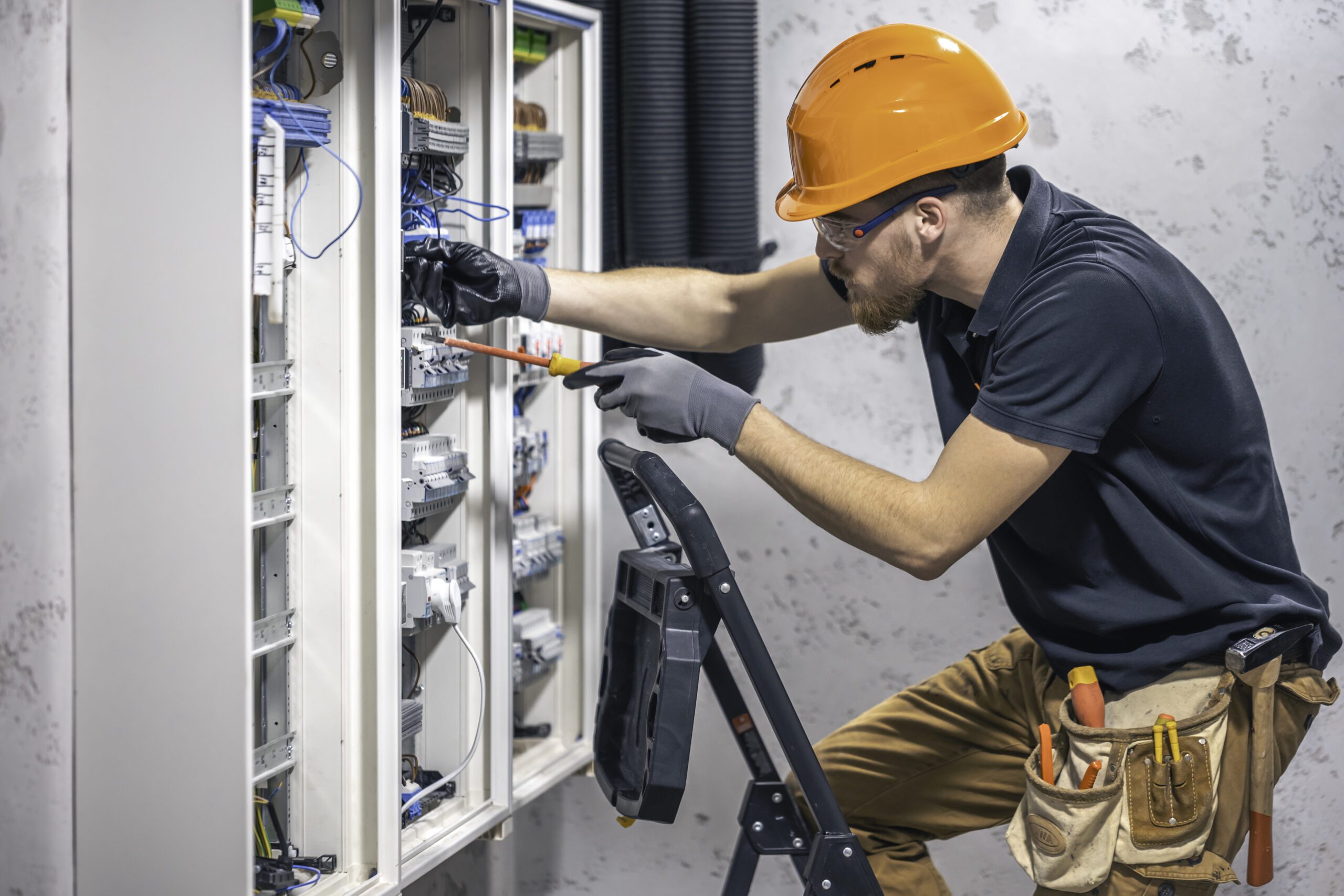
A licenced electrician follows a strict process to repair exposed wires safely:
- De-energise the System: Turn off power to the affected area, confirming with testing devices designed for electrical safety.
- Identify the Hazard: Examine the extent of exposure, testing insulation and electrical current to determine risk.
- Repair or Replace: Use approved wiring, connectors, and insulation to repair small areas, or replace entire cables as needed for safety.
- Test and Inspect: Restore power, conduct tests on the electrical circuit for faults or overheating, and inspect the completed job for compliance.
- Provide a Compliance Certificate: Documentation ensures the work on exposed wires meets national electrical safety standards.
Professional tools, training, and strict protocols are what separate a safe repair from shortcuts that can lead to dangerous electrical consequences.
Contact Bright Choice Electrical to Fix Exposed Wires in Your Home
If you’ve found, suspected, or are concerned about exposed wire in your home or business, don’t wait. Contact Bright Choice Electrical, Sydney’s trusted team for safe, reliable, and compliant repairs.
- Our team of licenced electricians is trained to identify, repair, and replace exposed electrical wire quickly and effectively.
- We use only electrical products designed for safety and reliability, never cutting corners.
- Whether it’s a simple appliance cord or a major rewiring job, we have the experience and commitment to get the job done right—the first time.
From the moment you call for electrical services, you’ll receive prompt, friendly, and professional support suited to your electrical needs.
Conclusion
Never underestimate the risk of exposed wires. Even when they seem harmless, exposed wires are a significant and serious safety hazard that can cause electrical shock, fire, property loss, or even loss of life. Taking proactive steps like regular inspection, swift action on repairs, and always relying on a licenced electrician, will safeguard your home and family from the dangers of exposed wire. When in doubt, trust professionals to protect your electrical system and give you peace of mind.