If you’ve ever puzzled over your electricity bill and wondered why some neighbours or businesses run more power-hungry equipment without higher costs, you’re not alone. Many Australians are surprised to learn how the type of power supply to their property—single phase or three phase—can quietly influence what they pay, how efficiently their home runs, and what appliances they can install. The “phase” of your electrical system is more than just technical jargon. It determines how much power is available for your home or business and can be the key to lower long-term costs.
This blog explores some of those lingering questions:Is upgrading to 3-phase power always more expensive? Do you actually need three-phase power for new appliances? What are the real cost differences between single-phase and three-phase, and could your property be paying more than it should? Let’s shed light on these common questions about three-phase electricity and help you make a smart choice for your needs.
Understanding Single-Phase vs. Three-Phase Power
To understand the difference between single-phase and three-phase power, start with the basics of how electricity is supplied. A single-phase system uses two wires: one for power and one neutral. The current flows back and forth along a single sine wave, providing consistent power delivery suitable for most typical residential loads.
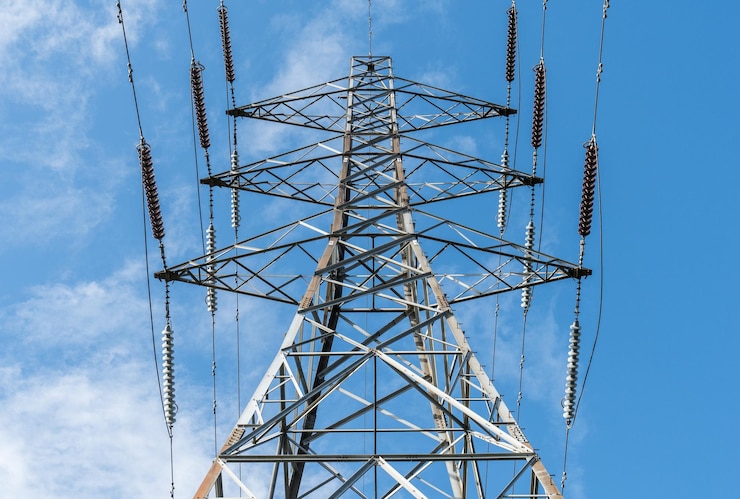
Three-phase power uses three active wires and one neutral. Unlike single-phase power, this setup delivers electricity through three alternating currents that reach their peak at different times, creating a smoother, more continuous flow of electricity. With three-phase power, there’s less fluctuation and more capacity to handle higher power needs.
Most homes in Australia, especially standard residential properties, have a single-phase power supply. This is more than enough for lighting, small appliances, and everyday electronics. Larger homes, businesses, and buildings with heavy loads—think air conditioning, pumps, or commercial ovens—may require a three-phase power system.
Here are examples to clarify usage:
- Plugging in household lamps, small fridges, heaters, or TVs? That’s typical for single-phase power.
- Powering commercial kitchen mixers, rotary machines, or industrial pumps? These often need three-phase power.
- Some properties built in recent years or zoned for business will already have three-phase power available, while single-phase is more common in suburban homes.
There are also misconceptions about single-phase and three-phase. One myth is that three-phase power is always more expensive and for “big” factories only—not true. If your appliances or power usage requires the extra capacity, three-phase systems are typically cheaper and more efficient in the long run.
The Real Cost Differences Most People Overlook
When weighing phase vs single-phase power, most homeowners only consider the impact on their monthly electricity bill. While single-phase electricity supply can be slightly cheaper in daily use, the full cost picture is more complicated.
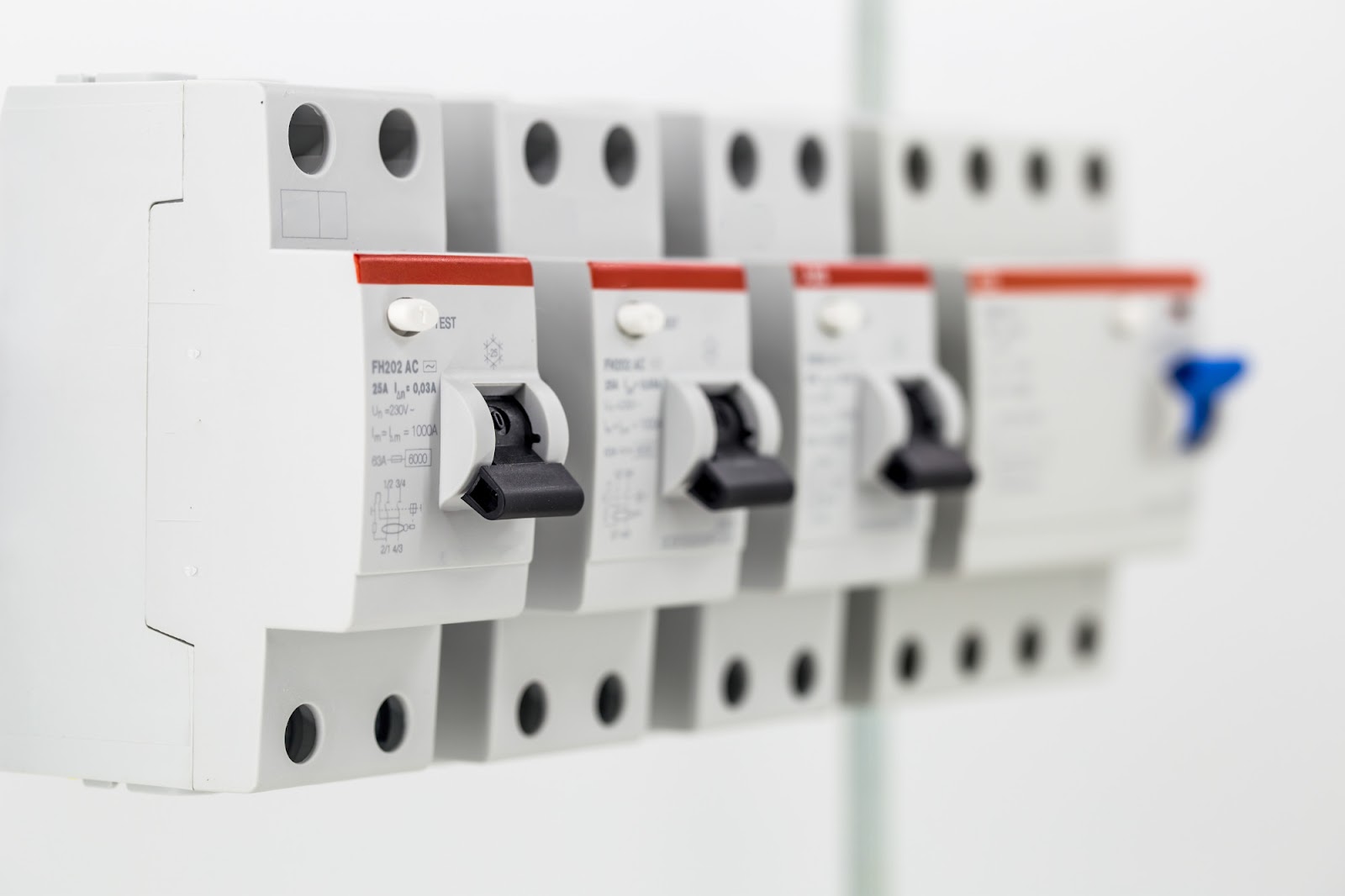
- Hidden installation and upgrade costs: Upgrading from single-phase to three-phase usually involves higher upfront outlays for cabling, a new switchboard, three-phase circuit breakers, and wiring throughout the home. Metering and provider fees are also typically higher for three-phase power supplies.
- Ongoing provider fees: Some network providers charge higher service charges for three-phase supply due to the extra infrastructure required. You’ll want to review your individual retailer plans.
- Efficiency gains offsetting costs: If three-phase power makes your appliances run more efficiently—think smoother operation for HVAC or workshop tools—you may save on electricity bills over time.
- Greater appliance choice: Homes with three-phase power can install larger air conditioners, EV chargers, or induction cooktops without upgrading later. The cost avoidance can outweigh the slightly higher electricity bill for many families or small businesses.
Remember, the cheapest option isn’t always best. Underpowering your property can lead to regular outages, power dips, expensive appliance failures, or forced upgrades later, which can cost much more than initially opting for three-phase.

Home vs. Business: Which Pays More?
In homes, the single-phase system is usually enough, and installing three-phase primarily for regular household appliances may not be cost-effective. Single-phase power delivers electricity for lighting, general appliances, and standard power points. Because it uses two wires instead of three, it’s a more affordable setup for most houses. You’re less likely to pay for extra capacity you don’t use.
Businesses, on the other hand, often need three-phase power because their power needs are higher and the electrical load varies constantly. Three-phase power systems provide consistent voltage and can distribute electrical power more evenly. Commercial kitchens, mechanical workshops, printing shops, and large offices use equipment that draws more current than a single-phase power supply can safely deliver.
For most small homes, single-phase and three-phase power are both possible, but three-phase is usually only worth it if you have significant power requirements. The differences between single-phase and three-phase become more important as your power needs grow.
When Three-Phase Electricity Saves Money Long-Term
Three-phase power costs more to install, but for the right property, it can actually save money in several ways over a period of years:
- More reliable power delivery: Three-phase provides consistent power without dips, especially during high demands, so appliances run smoother, last longer, and are less likely to fail.
- Reduced strain on electrical devices: With more phases, large appliances operate at a lower risk of overheating or tripping the fuse.
- Lower chance of outages: If one phase trips in a three-phase system, power can keep flowing across three active wires drawing electricity, preventing complete blackouts.
- Greater capacity for future-proofing: As families add bigger fridges, pumps, pools, or plan for solar, the three-phase system will already handle these without upgrade costs.
If you already need higher power for a pool, spa, or substantial kitchen, the efficiency and power availability of three-phase can offset its higher fees over time.
Appliances That Make Three-Phase Essential
Some appliances simply can’t run—or can’t run efficiently—on a single-phase power supply. In fact, the type of power supply you have will determine if you can use certain devices.
- Heavy machinery: Workshop equipment, rotary woodworking machines, and welders require the continuous power three-phase power provides.
- HVAC and major pumps: Ducted air conditioning and pool pumps often demand more power than a single-phase system can offer.
- Commercial kitchen appliances: Large ovens, commercial coffee machines, and fast dishwashers draw consistent power across three wires instead of two, avoiding interruptions and ensuring compliance with manufacturer recommendations.
- EV charging stations: Electric vehicle rapid chargers are designed for higher current flow and only run on three-phase electricity.
If your home or shop plans include these upgrades, it may be more affordable to install three-phase up front than to constantly trip switches or wear out single-phase equipment.
When Single-Phase Power Is the Smarter Choice
Not every property needs the complexity or expense of three-phase. For many family homes, single-phase power is simpler, safer, and more cost-effective.
- Smaller homes, units, or apartments:If you only use standard appliances and don’t plan on big upgrades, the single-phase system is usually more than enough.
- Lower power demands: Lighting, everyday kitchen appliances, laptops, and TVs use little electricity compared to big workshop or kitchen drains.
- Easier to install and maintain: There’s no need for special switchboards, three-phase circuit breakers, or complex repairs.
- Lower upfront and ongoing costs: Installation is cheaper, and most energy providers charge lower service fees for single phase.
- Few future upgrades: If you don’t anticipate needing luxury air conditioning, pool heating, or industrial tools, there’s no need to install three-phase.
When weighing phase vs single-phase power, make a list of your actual power needs. If you don’t plan on adding high-draw gadgets, sticking with single phase is likely smartest.
Real Examples: Households vs. Small Businesses
To make the difference between single-phase and three-phase clearer, let’s look at some real-life scenarios.
- A standard household: A couple in a brick house runs a kettle, washing machine, fridge, and TV. Their single-phase power supply serves all needs efficiently. They rarely see a circuit trip and won’t outgrow their current electrical system unless they add a large pool or significant new devices.
- A “future-ready” home: A family installing ducted air conditioning, three electric ovens, or a large EV charger may need 3-phase power. Their bills may be ever so slightly higher, but everything works more efficiently, with fewer electrical problems.
- A small business or café: The kitchen runs multiple commercial coffee machines, dishwashers, and mixers—appliances that require more consistent power. Their three-phase system spreads the load, avoids overheating, and reduces the risk of blackouts.
- A home workshop: An engineer with a wood lathe and large tools upgrades to three-phase power to ensure smooth starts, reduce power dips, and prepare for future equipment.
For both homes and businesses, the right choice depends on the size, power usage, and plans for future expansion.
How to Know if You Need a Power Upgrade
Upgrading from single-phase to three-phase or vice versa can be a big investment. Here are some clear warning signs and steps:
- Repeated tripping or dimming: If your circuit breaker keeps tripping or lights flicker when you turn on large appliances, your single-phase system might be overloaded.
- Adding high-power equipment: If you’re planning a kitchen or workshop with a bigger than average current draw, consult an expert.
- Appliances won’t operate: Some devices simply won’t work on a single-phase power supply, even if you add more switches or power points.
- Age of existing system: If your home is over 30 years old and still on a single-phase system, get an electrician’s opinion before installing major new equipment.
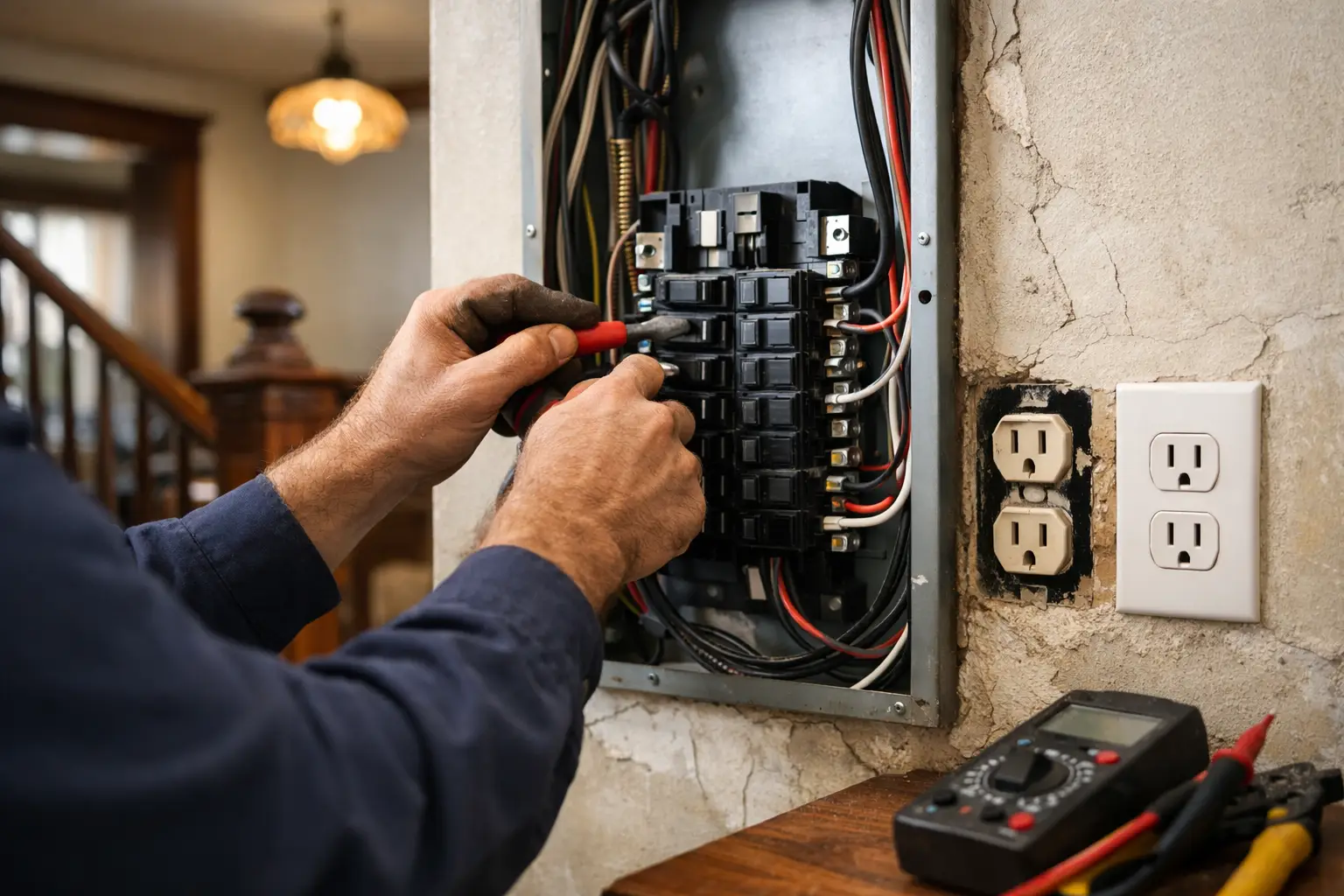
When considering a power system change, start with a professional electrical inspection. They will check your current usage, assess the wiring, and recommend whether a power upgrade is worthwhile.
Calculating the Best Option for Your Property
Choosing between single-phase and three-phase is about more than comparing electricity bills over time. Electricians consider:
- Power needs now and in the future: Will you need more power in a few years?
- Equipment costs vs. lifetime maintenance: Will keeping an old single phase cost more in ongoing repairs than a one-time three-phase install?
- Provider fees and tariffs: Some networks charge more for three-phase metre connections, while others do not.
- Property type and space: Certain properties or zoning areas require three-phase installation, especially for larger connections.
- Potential savings: Higher efficiency and fewer service calls often result in better long-term savings with three-phase when bigger appliances are involved.
A cost-benefit analysis is the best way to decide. Licenced electricians can compare upfront installation, ongoing electricity rates, and savings from consistent power delivery.
How Licenced Electricians Handle a Phase Power Upgrade
Upgrading to 3-phase power, or changing to single-phase, is a job for licenced electricians only. Here’s what to expect from professionals:
- Site inspection and load assessment: They begin with a detailed site inspection, examining your power usage and system design.
- Safety and compliance checks: The team checks your existing switchboard, wiring, and outlets for safety and makes sure everything meets current Australian standards.
- Tailored upgrade plan: Professionals recommend the best power supply for your property, with written quotes and timelines.
- Installation: If you’re upgrading, they will run three wires instead of two to your property, replace the switchboard and circuit breakers as needed, and install any necessary new cabling throughout the home or business.
- Testing and documentation: All work is tested for consistent power delivery and safety before the electricity supply is restored.
Professional electrical services can prevent unnecessary costs or electrical hazards, ensuring your power upgrade is smooth and safe.
Talk to an Expert Electrician About Your Power Supply
Don’t make big decisions about your home’s power system alone. Consulting a licenced electrician ensures you understand your real electrical needs and avoid hidden pitfalls. Professionals can review your electricity usage, recommend the best type of power supply, and take care of installation safely.
Bright Choice Electrical has years of experience helping homeowners and businesses across Sydney assess three-phase vs single-phase power. Our expert team is ready to provide reliable advice, fair quotes, and safe installations designed for your future needs.
If you have questions about single-phase or three-phase or want to know if you should upgrade, contact Bright Choice Electrical for an honest assessment. A short phone call now could save you years of power problems later.
Conclusion
Understanding the differences between single-phase and three-phase power is the first step to smarter electricity usage and lower long-term costs. While single-phase may suit small homes and light use, three-phase power offers reliability and efficiency for busier homes and commercial properties. The real cost differences depend on your power needs, the appliances you run, and future plans.
Before making any changes, always seek professional advice to ensure your upgrade is cost-effective, meets all safety standards, and keeps your home or business running smoothly.