
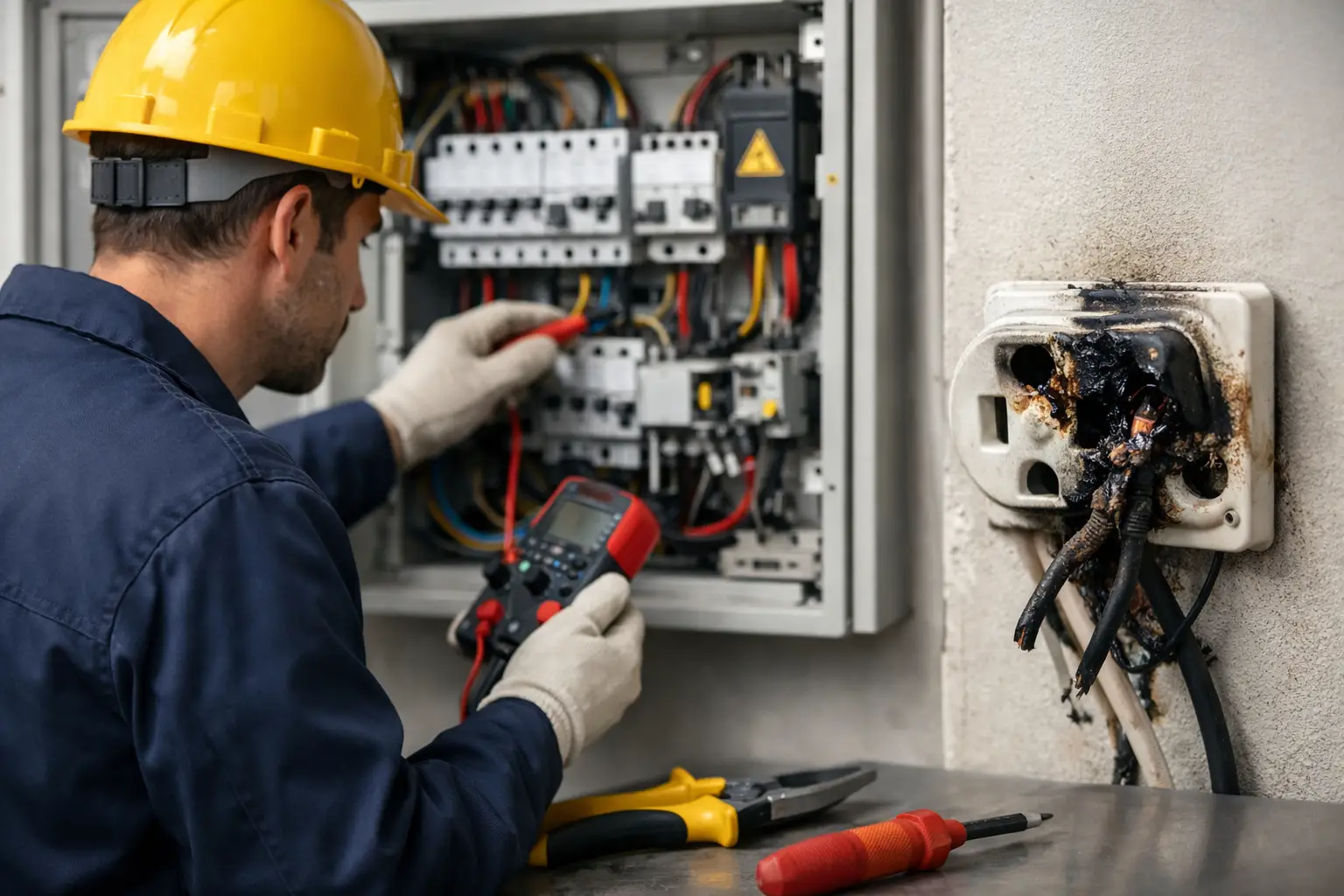
A defect notice rarely arrives at a convenient time. For most homeowners, landlords, and business owners, it lands in the middle of an already busy week and immediately raises the same questions – how serious is this, what needs to be fixed, and how quickly do I need to act?
That is exactly where electrical defect notice repairs come in. If you have been issued a notice by the supply authority or identified non-compliant electrical work during an inspection, the main priority is simple: make the site safe, correct the defects properly, and have the work signed off by a licensed electrician.
What an electrical defect notice actually means
An electrical defect notice is a formal notification that part of your electrical installation does not meet current safety or compliance requirements. In practical terms, it means something has been found that could present a risk to people, property, or the electricity network.
Some notices are issued after meter work, supply upgrades, storm damage, renovations, or routine inspections. Others come up when an older switchboard, damaged consumer mains, deteriorated fittings, or incorrect previous work is identified. The wording can feel technical, but the message is straightforward – the issue needs to be repaired within the required timeframe.
That timeframe matters. Some defects are categorised as urgent because they involve a direct safety risk. Others may allow a little more time, but that does not mean they should be left to drift. Delays can lead to disconnection, failed inspections, or bigger repair costs if the problem worsens.
Common issues found during electrical defect notice repairs
Not every notice is the same, but there are patterns we see regularly across older homes, investment properties, and small commercial sites. A lot of electrical defect notice repairs relate to switchboards that no longer meet current standards, especially where there is no safety switch protection or where components show signs of heat damage.
Defective consumer mains are another common issue. If the cabling feeding your switchboard is damaged, undersized, poorly protected, or no longer compliant, it can trigger a defect notice. Meter panels, point of attachment issues, damaged conduit, exposed wiring, and earthing problems also come up often.
In some properties, the defect is tied to previous renovation work. A new circuit may have been added incorrectly, clearances may not be adequate, or equipment may have been installed without proper protection. That does not always mean the fault is dramatic or obvious. Sometimes the system appears to work normally, but still fails compliance standards.
Why acting quickly matters
When people hear the word defect, they sometimes assume it is just a paperwork issue. In reality, the notice usually points to something with genuine safety implications. That could mean increased risk of electric shock, overheating, fire, unreliable supply, or damage to appliances.
There is also the compliance side to consider. If the notice has been issued by the network provider, you may be required to complete repairs by a set date. Miss that deadline and you could face further action, including loss of supply until the issue is resolved.
For landlords and commercial property owners, there is another layer. If tenants, staff, or customers are using the premises, unresolved electrical defects can become a liability issue as well as a safety one. Fast action is not about panic. It is about responsible property management.
The right first step after receiving a defect notice
The best first move is to have the notice reviewed by a licensed electrician who handles compliance work. The wording on these notices can be specific, and the repair approach needs to match both the defect listed and the current Australian standards.
A proper assessment should confirm what the notice refers to, whether there are any immediate hazards, and what work is actually required to rectify it. Sometimes the repair is relatively contained. In other cases, one defect can point to a broader issue, such as an ageing switchboard or supply arrangement that needs upgrading rather than patching.
This is where experience matters. You do not want guesswork, and you do not want a band-aid repair that leaves you back at square one when the work is reinspected.
What the repair process usually looks like
Most electrical defect notice repairs follow a fairly clear path. First, the electrician inspects the installation and confirms the scope of the defect. If the issue creates an immediate risk, they may recommend making the area safe straight away before returning for permanent rectification work.
From there, the repair may involve replacing damaged cabling, upgrading a switchboard, installing safety switches, correcting earthing and bonding, replacing non-compliant fittings, or rectifying meter panel components. In some jobs, there is coordination needed with the energy distributor or metering provider, particularly where supply equipment is involved.
Once the repairs are completed, the electrician carries out testing to confirm the installation is safe and compliant. Depending on the nature of the notice, documentation or certification may then be provided to support clearance of the defect.
Electrical defect notice repairs in older Sydney properties
Across Sydney’s North Shore and Northern Beaches, many homes and shopfronts have been standing for decades. That is part of their appeal, but older buildings often carry legacy electrical issues that only become obvious when an inspection is done or supply work is planned.
It is common to find ageing switchboards, ceramic fuses, limited circuit protection, weathered external cabling, or additions that were acceptable years ago but no longer meet current requirements. In these cases, the cheapest short-term fix is not always the best option. If several components are at the end of their service life, a more complete upgrade can provide better value and fewer surprises later.
That said, every property is different. Some defect notices can be resolved with a targeted repair. Others are a sign that the installation needs more substantial work to bring it up to standard. A good electrician will explain that difference clearly instead of pushing a one-size-fits-all answer.
Choosing an electrician for defect notice work
This is not the type of job to hand to the first person with availability. Defect work needs to be handled by a licensed electrician who understands compliance requirements, works methodically, and communicates clearly about what is essential versus optional.
Look for someone who will review the notice properly, explain the findings in plain language, and provide a transparent scope of work. Punctuality matters too, especially if there is a deadline attached. So does workmanship. A clean, compliant repair is about more than getting the power back on – it is about knowing the problem has been fixed properly.
For local property owners, there is real value in working with an electrician who knows the common issues found in homes and businesses around the North Shore and Northern Beaches. Familiarity with local property types often helps speed up diagnosis and avoids unnecessary back-and-forth.
How to avoid future defect notices
Not every defect can be predicted, but plenty can be prevented. Older switchboards should be checked before they become a problem, especially if you are renovating, installing new appliances, adding air conditioning, or planning an EV charger. Small warning signs like flickering lights, tripping circuits, buzzing at the board, or damaged exterior fittings should not be ignored.
Routine electrical inspections are also worth considering for landlords, older homes, and commercial premises. They can pick up wear and tear before it turns into a formal notice or emergency call-out. Preventive work is usually less disruptive than urgent rectification, and it gives you more control over timing and budget.
If you have received a defect notice, the main thing is not to sit on it. With the right advice, most issues can be assessed quickly and repaired in a clear, structured way. A licensed local team like Bright Choice Electrical can take the stress out of the process by explaining what the notice means, carrying out safe and compliant repairs, and helping you get things back to normal with confidence.
A defect notice is never welcome, but it can be the prompt that gets an unsafe or ageing installation sorted properly – and that is always worth doing.