Sarah noticed her kitchen lights flickering for weeks before the circuit breaker tripped one Tuesday morning. Her microwave, fridge, and coffee machine all stopped working simultaneously. She reset the breaker, but it tripped again within minutes. What seemed like a minor annoyance had become a genuine electrical fault requiring professional diagnosis—but she had no idea where the problem actually lived within her home’s electrical system.
This scenario plays out in Sydney homes daily. Electrical faults don’t always announce themselves dramatically. Sometimes they simmer quietly, causing minor inconveniences before escalating into serious problems. Understanding common electrical faults, recognising warning signs, and knowing how professional electricians approach fault-finding helps homeowners respond appropriately when their electrical system misbehaves.
Most Common Electrical Faults in Australian Homes
Flickering lights signal voltage fluctuations or loose connections. Occasional flickers during storms are normal, but consistent flickering when appliances turn on indicates circuit overloading or faulty wiring. This common electrical fault often stems from undersized circuits serving too many high-draw appliances simultaneously.
Tripping circuit breakers protect your home from overloaded circuits and short circuits. Breakers that trip occasionally during high electrical load periods work as designed. Breakers tripping repeatedly or multiple times daily indicate genuine faults requiring professional electrician attention. These persistent trips mean your electrical system detects problems that visual inspection won’t reveal.
Common Sources of Electrical Faults in Sydney Homes
Ageing infrastructure creates multiple failure points. Sydney homes built 30-50 years ago feature wiring, circuit breakers, and connection methods designed for lower electrical demands. Modern households run air conditioning, home offices, entertainment systems, and kitchen appliances simultaneously—loads the original electrical system never anticipated handling.
Poor-quality renovations introduce faults during construction. Unlicensed electrical work often creates problems that manifest years later. Amateur installations skip proper junction box covers, use incorrect wire gauges, or create unsafe connection methods. These shortcuts eventually fail, causing the electrical issues that licensed electricians repair regularly.
Environmental factors accelerate component deterioration. Sydney’s humidity corrodes connections, particularly in outdoor installations and roof spaces. Temperature cycling expands and contracts materials, loosening terminals. Pest damage from rats or possums chewing wiring creates intermittent faults that worsen over time.
Faulty appliances trigger protective devices. Washing machines, dishwashers, and hot water systems develop insulation breakdowns allowing current leakage. Your electrical system responds by tripping safety switches, protecting you from potential electrocution. The appliance might still operate between trips, making fault identification challenging without proper testing equipment.
Warning Signs Homeowners Should Never Ignore
Recognise these indicators of serious electrical problems requiring immediate electrician attention:
Burning smells or scorch marks around outlets, switches, or switchboards indicate overheating from loose connections or overloaded circuits. These warning signs precede electrical fires.
Hot outlets or switches suggest excessive current flow from overloading or deteriorating connections. Electrical components should remain cool or slightly warm during operation, never hot enough to notice.
Buzzing or crackling sounds from switches, outlets, or circuit breakers indicate arcing electricity—current jumping gaps rather than flowing through proper connections. This dangerous condition damages equipment whilst creating fire risks.
Frequent power surges damage sensitive electronics like computers, televisions, and smart appliances. Surges stem from faulty wiring, damaged circuits, or problems with electrical equipment. Consistent surge patterns warrant professional fault-finding to identify sources before expensive equipment fails permanently.
How Overloading, Ageing Wiring, and Poor Installations Create Faults
Overloaded circuits carry more electrical load than their design capacity. Running multiple high-draw appliances on single circuits causes wiring to overheat, insulation to break down, and connections to loosen. Circuit breakers trip, protecting against fire hazards, but repeated overloading accelerates component wear, creating permanent faults.
Old wiring loses effectiveness decades after installation. Insulation becomes brittle, connections corrode, and conductor materials deteriorate. Sydney homes with original 1970s-80s wiring often need complete rewiring rather than simple fault repair. Attempting to patch failing electrical systems wastes money addressing symptoms whilst ignoring underlying infrastructure problems.
Poor installations create intermittent faults that baffle homeowners. Loose terminal connections might work fine for months before vibration or temperature changes cause failure. Incorrect wire sizing handles normal loads but fails during peak demand. These installation errors don’t reveal themselves until specific conditions align, making professional fault-finding techniques necessary for accurate diagnosis.
Diagnostic Steps Electricians Take When Checking Your Home
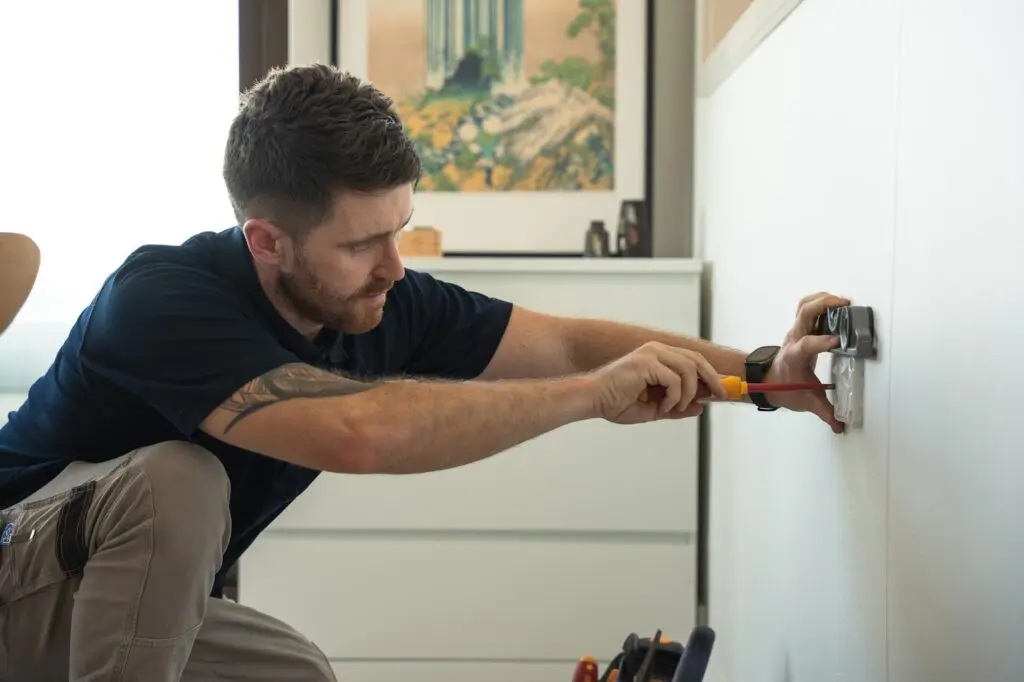
Licensed electricians begin with detailed questioning about fault symptoms. When do circuits trip? Which appliances operate when problems occur? How long have issues persisted? This information narrows potential causes before testing begins. Experienced electricians recognise patterns suggesting specific fault types based on symptom descriptions.
Visual inspection identifies obvious problems. Electricians examine switchboard condition, check for scorch marks or damage, inspect visible wiring for deterioration, and assess overall electrical system age. This preliminary survey often reveals multiple issues requiring attention beyond the reported fault.
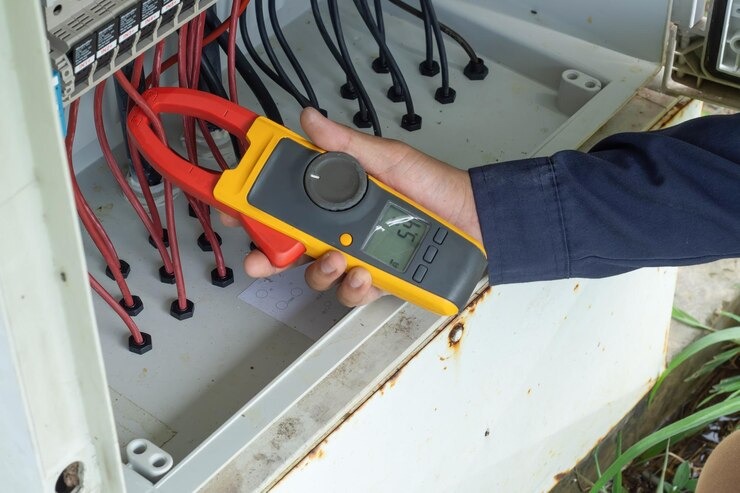
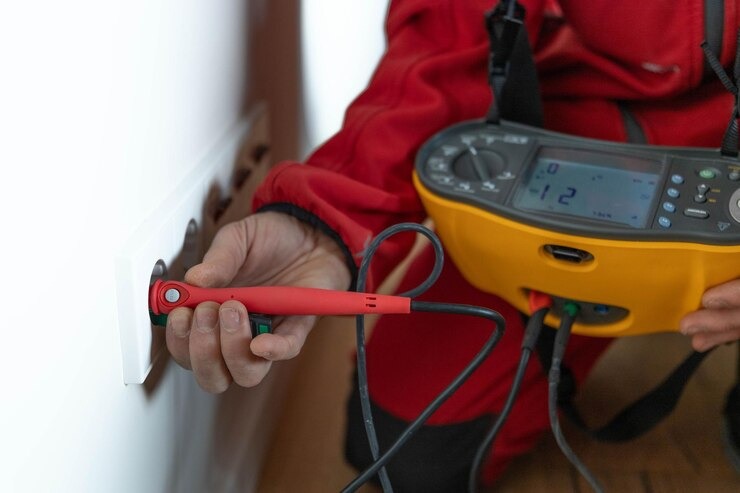
Specialised tools detect electrical faults invisible to visual inspection. Multimeters measure voltage, current, and resistance across circuits. Insulation resistance testers identify deteriorating wire insulation before it fails completely. Thermal imaging cameras reveal hot spots indicating loose connections or overloaded components. Circuit tracers map wiring paths through walls, helping locate specific problem sections.
Systematic testing isolates fault locations. Electricians test circuits individually, disconnect suspect appliances, measure current draw under various loads, and verify proper earthing throughout the electrical system. This methodical approach identifies the source of the fault rather than guessing based on symptoms alone. Professional fault finding saves time and prevents unnecessary repairs to functioning components.
Dangers of DIY Fault Finding and What to Avoid
DIY electrical work creates immediate electrocution risks. Homeowners attempting fault-finding often misunderstand which components remain energised even with circuits switched off. Touching live wires, terminals, or components whilst testing causes potentially fatal shocks. Licensed electricians train extensively in safe electrical work procedures that DIY attempts inevitably skip.
Amateur fault finding damages electrical systems further. Using incorrect testing methods, shorting circuits accidentally, or applying excessive force to connections converts minor faults into expensive repairs. Professional electricians use appropriate diagnostic tools, preventing collateral damage during investigation.
Legal implications affect insurance and property value. Australian regulations classify electrical fault-finding as licensed electrical work. DIY attempts void insurance coverage when faults cause fires or damage. Property sales can fail when building inspectors discover uncertified electrical modifications or repairs.
Basic fault finding stops at the switchboard. Homeowners can safely check whether circuit breakers have tripped and reset them once. Beyond that single action, electrical fault finding demands qualified electrician involvement. Don’t remove switchboard covers, don’t test wiring continuity, and don’t attempt to identify specific faulty circuits yourself.
Long-Term Safety Impacts of Untreated Electrical Faults
Electrical fires develop from unresolved faults. Loose connections generate heat that ignites surrounding materials. Overloaded circuits slowly melt wire insulation until short circuits occur. These fires often start within walls or ceiling spaces, burning hidden for extended periods before becoming visible. Annual electrical inspections catch developing faults before they reach ignition thresholds.
Progressive component damage escalates repair costs. A $300 repair addressing faulty wiring in one circuit today prevents a $5,000 switchboard replacement after sustained overheating damages multiple circuits. Minor electrical faults create stress on related components, spreading damage throughout your electrical system over months or years.
Property value declines with known electrical issues. Buyers’ building inspections identify electrical faults requiring disclosure. Sellers face price negotiations or mandatory repairs before settlement. Maintaining electrical system integrity through regular professional electrical maintenance preserves investment value whilst ensuring safety.
Get Professional Electrical Fault-Finding from Bright Choice Electrical
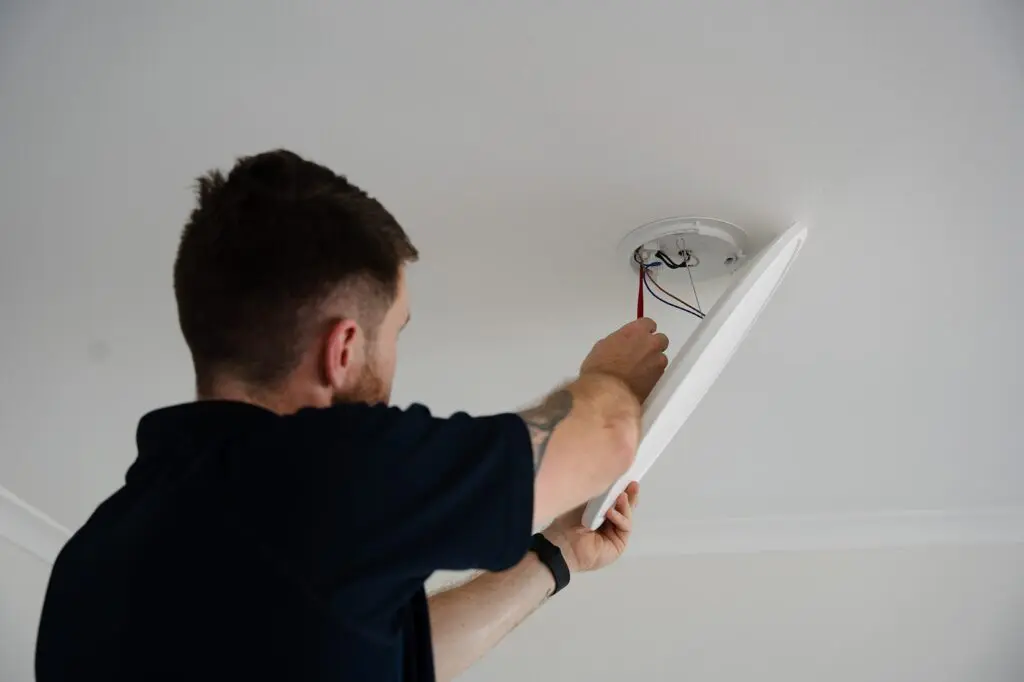
When electrical faults disrupt your Sydney home, Bright Choice Electrical provides comprehensive electrical fault-finding services identifying root causes and implementing permanent solutions. Our experienced electricians use specialised tools and techniques to identify electrical problems quickly, minimising downtime whilst ensuring accurate diagnosis. We don’t guess—we test systematically until we find electrical faults affecting your home’s electrical safety and functionality.
Our electrical services cover all types of electrical faults, from simple circuit breaker issues to complex wiring problems requiring extensive testing. We’ll inspect your entire electrical system, identify potential issues beyond the immediate fault, and provide clear recommendations prioritising repairs by urgency. Every service includes a detailed explanation of what we found, what we fixed, and what maintenance might prevent faults in the future.
Contact us today to book an electrical inspection and restore safety and functionality to your electrical system. Bright Choice Electrical combines fault-finding techniques with practical electrical solutions, keeping Sydney homes powered safely. Don’t live with persistent electrical problems—call a professional electrician who’ll diagnose and repair electrical faults properly the first time.