
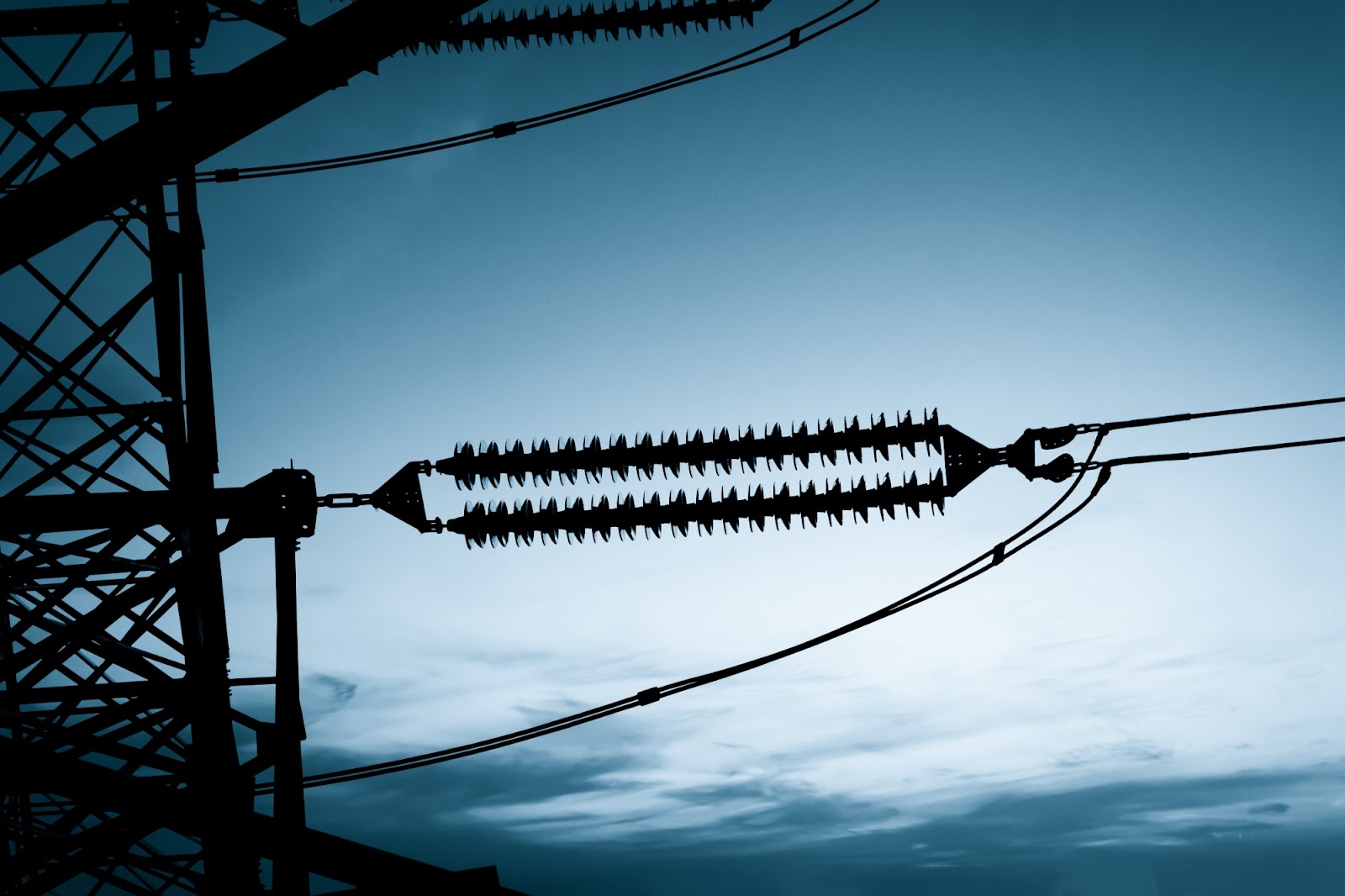
Do you remember the storm in 2009 with ice melting down power lines, leaving thousands in Melbourne without electricity for days? The culprit, as usual, was a maze of fragile overhead lines. This scene is common around the world and brings into sharp focus a pressing question: should we continue relying on exposed transmission poles, or is it time to embrace the new gold standard—underground power lines?
This article will guide you through the world of underground power, from daily realities to the financials, the life-changing advantages, and practical steps for homes and businesses to make the leap. If you want cleaner streets, safer communities, and a more reliable electricity supply, read on to discover exactly why so many Australian cities are moving from poles to perfection.
Understanding the full process behind underground power, and how the benefits of underground power outshine traditional overhead networks, is key for homeowners, businesses, and community planners. This comprehensive guide explains not just why underground power lines are becoming the future, but how Bright Choice Electrical can facilitate your smooth transition, every step from first planning to flawless connection.
What are underground power lines?
Underground power refers to the transmission and distribution of electricity using cables and wires that are buried beneath the ground, as opposed to the time-worn system of power lines running above streets and properties on poles. While overhead power lines hang in clear sight, subject to all of nature’s elements, underground power lines are secured below the surface, protected from most physical risks.
Such underground systems can be found in residential suburbs, city centres, industrial zones, and increasingly, rural areas seeking improved reliability. Cables are encased in insulation, laid in trenches, and fed through conduits, often sharing space with telecommunications or water infrastructure. These networks form a vital part of a city’s power infrastructure and play a growing role in supporting renewable energy and a cleaner, more resilient grid.
Overhead vs. Underground Power Lines
At first glance, it may seem that a power line is a power line—regardless of whether it sits atop poles or runs beneath the ground. However, there are clear differences in structure, performance, and longevity.
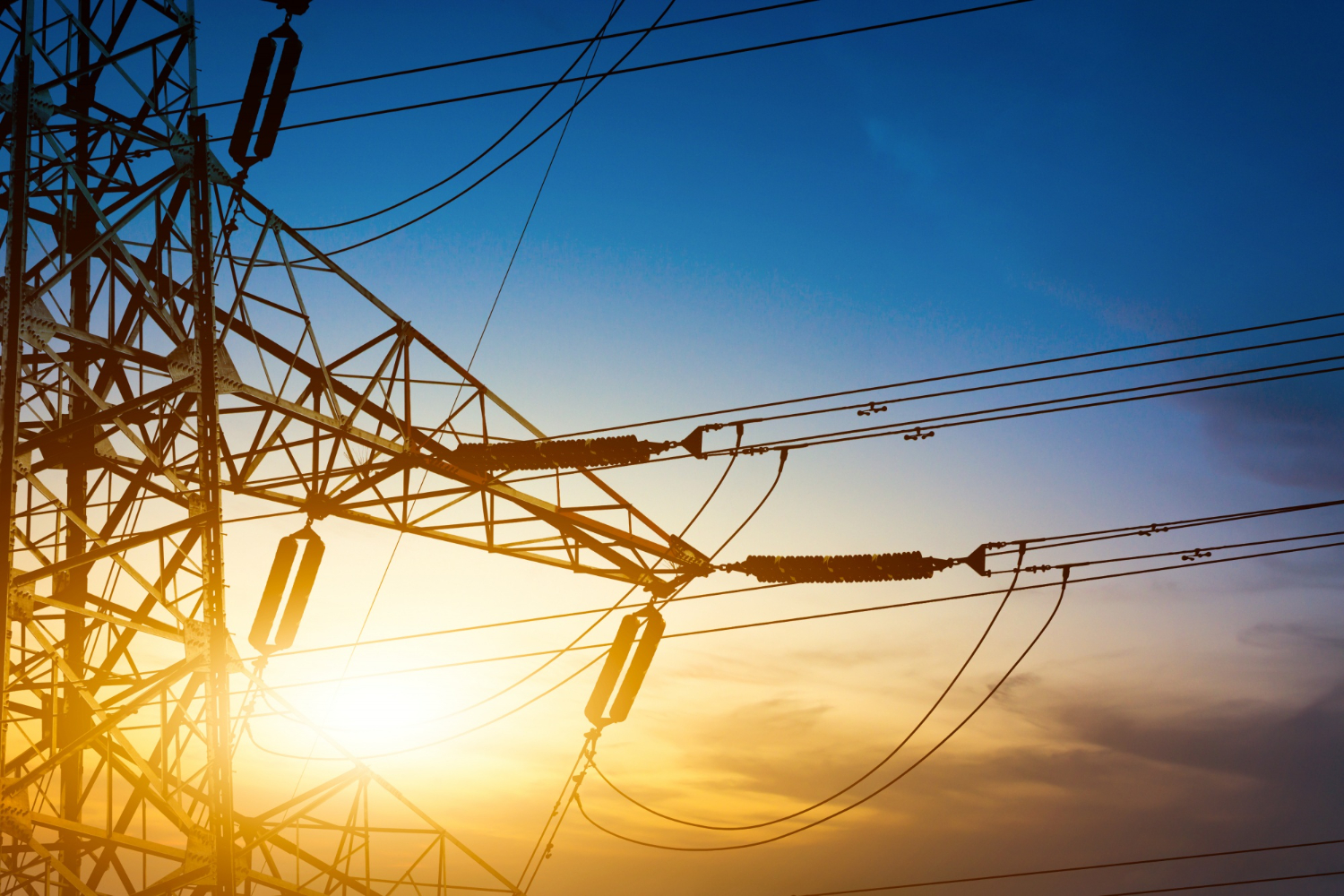
Overhead power lines use exposed wires stretched between poles or towers, sometimes running for kilometres at a time. They are relatively cheap to install for long distances and are quicker to repair after minor faults. Yet, their very exposure makes them vulnerable to every sort of weather, tree branch collision, vehicle accident, and even animal interference.
Underground power lines are protected from many of these hazards, enclosed within insulated cables, conduits, and sometimes even armoured sheaths for extra protection. Their prime advantages are reliability, safety, and visual appeal, while their main disadvantage is a higher up-front installation cost. Decision-making often involves weighing these factors alongside the needs of the community and the property’s unique environment.
Common Issues with Overhead Power Lines
Overhead power lines are a fixture on city streets and country lanes alike, but with this comes several challenges.
Storm events, like strong winds, heavy rainfall and lightning, regularly cause overhead wires to come down, tangling live cables, breaking poles, and leaving homes disconnected for days. These events not only disrupt power supply but also pose significant safety hazards, such as electrocution or fire. Poles and wires are also at risk during bushfires and floods, which are becoming more common with changing climate patterns.
Overhead lines clutter the skyline with a spaghetti maze of cables. This visual disruption, sometimes described as “visual pollution,” detracts from the natural beauty of neighbourhoods, devalues real estate, and complicates tree growth, requiring frequent and costly tree pruning.
The exposed design also brings about other issues: accidental contact from vehicles, wildlife causing short circuits, and the ever-present risk of fallen wires after accidents—all of which can prove fatal or result in costly power outages and repairs.
Benefits of Underground Power Lines
Transitioning to underground power lines brings a series of powerful, long-term advantages—many of which are felt instantly by both communities and property owners.
- Improved Safety: Underground power lines drastically reduce risks of fire and electrocution because cables are insulated and protected from accidental contact and lightning. The risk of fallen live wires in storms or accidents is all but eliminated, making streets and yards safer for families and emergency response crews.
- Better Reliability: Underground cable systems are far less prone to disruption from extreme weather. There are fewer power outages caused by storms, fallen trees, or vehicle collisions with poles, which provides peace of mind to homeowners and businesses. This increased reliability is especially important as climate resilience becomes a top priority for power infrastructure.
- Enhanced Aesthetics: The removal of power poles and overhead wires transforms neighbourhoods. Streets look tidier and more open, maintaining the natural beauty and raising property values. New street lighting is often integrated during the transition, further improving appearance and safety.
- Long-Term Maintenance Savings: Underground lines are cost-effective over their full lifespan. Fewer emergency repairs, less tree pruning, and reduced wear-and-tear lower maintenance costs substantially over decades. They are also better suited for areas planning a cleaner energy future, as more renewable energy sources are added to the grid.
Detailed Step-by-step Process of Installing Underground Power Lines
The process of replacing overhead with underground power lines—commonly called “undergrounding”—involves careful planning, highly specialised electrical work, and a series of precise steps.
- Planning and Feasibility: Initial stages involve consultation with property owners, utilities, and local governments. Thorough site investigations ensure underground cable routes will not conflict with existing underground infrastructure such as water or gas mains.
- Permitting and Design: All underground work must comply with strict national safety and engineering standards. This includes applying for permits as required by local councils and utilities and designing the cable system layout, conduit sizes, and protective measures.
- Trenching and Installation: Professional crews dig trenches between connection points. For residential projects, this may only be between the street and the house or building. For larger upgrades, trenches run along park strips or roadways. High-quality sand or conduit beds are prepared, and then insulated power cable is installed. Undergrounding also often means new pits or boxes for access and future maintenance.
- Connection and Switchover: Once testing confirms the new system is ready, properties are switched over from the old overhead line to the new underground line. The process is carefully staged to avoid unnecessary power outages.
- Removal of Overhead Infrastructure: After switchover, poles and overhead wires are removed, transforming the local landscape.
Infrastructure Upgrades Needed for Underground Power Lines
Making the switch from overhead to underground is not simply a matter of burying cables. It often requires several infrastructure upgrades.
Power poles are replaced with underground cable trenches and junction boxes. Switchgear, transformers, and additional equipment such as modern street lighting and smart sensors are integrated as needed. If renewable sources are present—like solar panels—systems may need upgrades to handle bidirectional power flows.
In older neighbourhoods, existing electrical work may require upgrades to support underground power connections. This can include panel replacements, safety switches, and sometimes upgrades to metres and service pits for compatibility with the new infrastructure.
Communication between electrical contractors, property owners, and authorities is crucial. Planning for future energy demand, renewable supply, and system redundancy helps ensure the installation is not only an upgrade for today but is resilient and reliable for decades to come.
How much does underground power line installation cost?
One of the most frequently asked questions is “How much does underground power cost?” The up-front installation cost for underground lines is higher than for overhead lines—often by two to five times or more, depending on terrain, distance, and complexity.
Typical projects may run from AUD 3,000 to AUD 5,000 for an average residential connection in an established area, with commercial projects or long distances incurring higher costs. Large-scale municipal or transmission infrastructure upgrades can run into tens of millions, though government subsidies may apply.
Despite these initial costs, underground power lines are cost-effective over time. Maintenance and repair costs are much lower, and the system is far less likely to suffer environmental damage. The longer lifespan, reduced risk of liability from safety hazards or fire, and increases in property values all contribute to a strong return on investment—even more so for properties in areas prone to extreme weather or bushfires.
Alongside the up-front cost, property owners and planners should be aware of hidden or secondary factors that can affect project budgets.
Coordination with local authorities may be required to avoid conflicts with existing utilities. Road or garden reinstatement may be necessary after trenching. For older suburbs, upgrades to legacy wiring or panels inside buildings may be essential before connecting to new underground power lines.
Ongoing maintenance, though far less frequent, can be more complex and costly if faults occur, as repairs often require locating and digging to reach cables. Government fees, compliance inspections, and project management costs also add to the final price tag.
Proper planning, staged project design, and transparent communications with contractors are essential to avoid surprises and keep the final result both safe and cost-effective.
Timeline for Residential vs. Commercial Projects
The time it takes to install underground power lines can vary significantly depending on the size and scope of the project.
For a straightforward residential conversion, the process—from planning, permitting, and site inspection to trenching, installation, and connection—can be completed in as little as one to two weeks. However, more complex projects, like those involving roadworks or coordination with other infrastructure upgrades, may take a month or more.
Commercial or multi-property projects (industrial parks, street blocks, or commercial centres) take longer to plan and require careful staging. Timelines can extend to several months, especially when streets are being significantly rebuilt or when works need to be scheduled around business hours and continuity of service.
For both types, allowing for contingencies, approvals, and final inspections is key to accurate project management.
When Is Undergrounding Most Beneficial?
Not every site is an ideal candidate for undergrounding, but certain locations gain clear, lasting advantages.
Dense urban areas, heritage zones, or regions with significant natural beauty prioritise underground power lines for their ability to preserve aesthetics and support property values. Areas exposed to bushfires, coastal storms, or urban development see risk and liability minimised and power reliability maximised.
Sites with renewable energy facilities, such as solar gardens or microgrids, often require upgrades to underground systems to meet higher safety and capacity standards. Infrastructure in school zones, parks, or roads with high pedestrian activity also stands to benefit, reducing safety hazards from fallen wires and vehicle collisions with poles.
Local and state governments—such as Western Power and the State of Western Australia—continue to promote the use of underground power through upgrade programmes and incentives, targeting areas most in need both for safety and future energy transition.
How Bright Choice Electrical Can Help with Underground Transitions
Making the switch from overhead to underground power is a major undertaking, requiring technical excellence and careful planning. Bright Choice Electrical brings decades of experience in supporting underground transitions in residential, commercial, and public environments.
Bright Choice Electrical handles the whole process—from initial feasibility and planning consultations to managing electrical work, trenching, inspections, and switchover. Their team coordinates with utilities, councils, and other contractors to ensure safe and efficient underground cable installation. Post-installation support includes ongoing inspections and upgrade advice, ensuring long-term reliability and peace of mind.
Whether you are upgrading a single property, redeveloping a street, or planning a larger infrastructure project, their expertise in both overhead and underground systems means the transition is smooth, cost-effective, and future-focused.
Summary
Making the switch from overhead to underground power delivers lasting improvements in safety, aesthetics, reliability, and community value. While the up-front investment is sometimes significant, the rewards more than justify the cost—especially in areas threatened by extreme weather, growing population, or environmental risk. Understanding the practical steps, full process, and expert support (such as that offered by Bright Choice Electrical) will ensure your transition is seamless and sets up your property for decades of safe, reliable, and efficient power supply.
For more information on making the transition, including a site assessment and project estimate, contact Bright Choice Electrical and explore how underground power can secure a safer, cleaner, and more beautiful neighbourhood for all.