
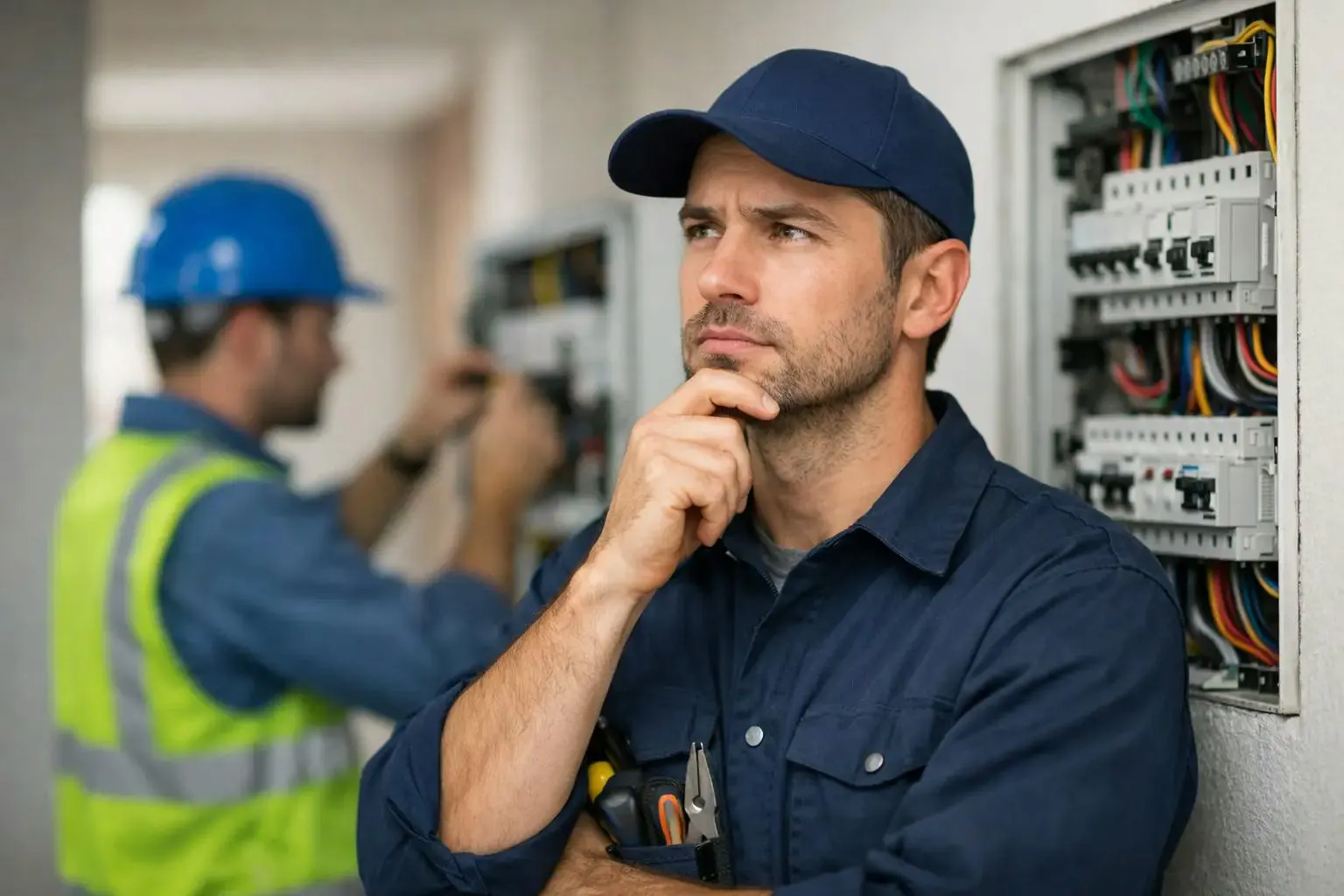
When do I need a licensed electrician?
If you are dealing with anything beyond the simplest plug-in item, you generally need a licensed electrician. That includes installing a ceiling fan, replacing hardwired light fittings, adding or relocating switches and power points, upgrading a switchboard, wiring a renovation, installing smoke alarms, fitting an EV charger or diagnosing a recurring electrical fault.
A lot of jobs look straightforward from the outside. Swapping a light fitting can seem simple until you find older wiring, damaged insulation or a circuit that was never labelled properly. Installing a new appliance can appear easy until the existing circuit is overloaded or not compliant with current standards. That is where licensed expertise matters.
A qualified electrician is trained to assess the full picture, not just the visible task. They check load capacity, test the circuit, confirm earthing, isolate power correctly and make sure the finished work is safe and compliant.
What counts as electrical work in NSW?
Electrical work is not just major rewiring. It covers many everyday jobs that people often underestimate.
If a task involves fixed electrical wiring or permanent electrical equipment, it is usually classed as electrical work. That can include connecting ovens, replacing hardwired smoke alarms, installing bathroom exhaust fans, fitting outdoor lighting, connecting shed power, wiring smart home devices or repairing a switchboard fault.
Even in homes where the problem seems small, the risk can be significant. A loose connection behind a switch plate or fan isolator may not be obvious straight away, but it can create heat over time and become a fire hazard.
There is also a legal side to consider. In NSW, unlicensed electrical work is not something to take lightly. If work is carried out by someone who is not properly licensed, there can be compliance consequences, and you may run into trouble when selling, leasing or insuring the property.
Jobs that are usually not DIY
The clearest rule is this: if you need to open, alter, replace or extend anything that is hardwired, it is not a DIY job.
That includes replacing a power point, moving a light switch, installing a new downlight, hardwiring an appliance, adding garden lighting to an existing circuit or upgrading an old ceramic fuse board. These are all jobs for a licensed electrician.
People are often surprised by ceiling fans. A fan from the shop may come in a box with instructions, but installing it still involves fixed wiring, correct mounting, safe isolation and often checking support in the ceiling. The same applies to EV chargers. Because they draw significant load, they need proper circuit design, protection and testing.
For commercial properties, the bar is even higher. Businesses need safe, compliant electrical systems that do not put staff, customers or operations at risk. A quick fix that causes downtime later is rarely a saving.
Why licensing matters beyond the legal requirement
The licence itself matters, but what sits behind it matters more.
When you hire a licensed electrician, you are paying for training, practical experience, testing procedures, fault diagnosis and accountability. You are also getting someone who understands current Australian standards and knows how to complete work in a way that is safe for the long term, not just working on the day.
That matters in older homes around suburbs like Mosman, Neutral Bay and Manly, where wiring conditions can vary a lot. It also matters in renovated properties where previous work may have been added in stages over many years. What looks tidy on the wall does not always mean it is safe behind it.
A licensed electrician should also be able to explain what they are doing in plain language. That is important for trust. Customers should know what the issue is, what needs to be done, and whether there are options depending on budget, timing or future plans for the property.
Do I need a licensed electrician for small repairs?
Often, yes.
Small electrical issues can be the start of larger safety problems. Flickering lights might point to a loose termination, overloaded circuit or deteriorating fitting. A tripping safety switch could be doing its job because there is a genuine fault. A warm power point, buzzing switch or burning smell should never be brushed off as minor.
This is where homeowners can get caught out. The job may not seem big enough to call someone, but electrical faults do not always give much warning before they become dangerous.
If you are unsure whether something counts as electrical work, that uncertainty is usually the sign to ask a licensed electrician rather than guessing.
What about renovations and upgrades?
Renovations are one of the biggest times to bring in a licensed electrician early, not late.
If you are updating a kitchen, bathroom, laundry, office or outdoor entertaining area, the electrical side needs proper planning. New lighting layouts, appliance loads, smoke alarm requirements, switchboard capacity and power point placement all need to be considered before the walls are closed up.
Leaving electrical decisions until the end often leads to avoidable costs. It can mean patching surfaces, redoing work or settling for a layout that is less practical than it should be.
For landlords and property managers, licensed work is especially important because it helps reduce risk across compliance, tenant safety and future maintenance. For business owners, it supports continuity and minimises disruption.
How to tell when you definitely need a licensed electrician
Some signs are immediate. If you have sparks, burning smells, repeated tripping, exposed wiring, water near electrical fittings, a damaged switchboard or power loss to part of the property, it is time to call a licensed electrician.
Other situations are less urgent but just as important. If you are installing a new ceiling fan, upgrading to LED lighting, adding outdoor power, fitting a smart doorbell that requires hardwiring or preparing for an EV charger, a licensed electrician should still be involved from the start.
There are also moments when professional advice saves money. If your lights dim when appliances turn on, if certain circuits struggle under load, or if your switchboard is old and crowded, an electrician can identify whether the issue is wear and tear, poor previous work or a system that no longer suits the way the property is used.
Choosing the right electrician matters too
Not every customer is just asking, do I need a licensed electrician. Often the real question is whether they can find one who will turn up on time, explain things clearly and leave the place clean.
That matters. Electrical work happens inside lived-in homes and operating businesses. People want to feel comfortable with who they hire. They want clear communication, transparent quoting and workmanship they do not have to second-guess.
A trusted local electrician should be able to assess the issue properly, talk you through the options and complete the work to a high standard without turning a straightforward job into a stressful experience. That service side is a big part of quality, especially for families, renovators and business owners who already have enough to manage.
At Bright Choice Electrical, that is exactly how we approach our work across the North Shore and Northern Beaches – licensed, punctual, careful and focused on doing the job properly.
The safest answer is usually the simplest one
If the job touches your fixed electrical system, assume it needs a licensed electrician until proven otherwise. It is the safest way to protect your property, your compliance and the people under your roof.
A good electrician does more than connect wires. They help you avoid hazards, spot hidden issues early and make sure the work suits how your home or business actually functions. When electricity is involved, peace of mind is not an extra. It is part of the job.
Need a Licensed Electrician?
Get a fast, obligation-free quote for your switchboard upgrade today.
Related Articles
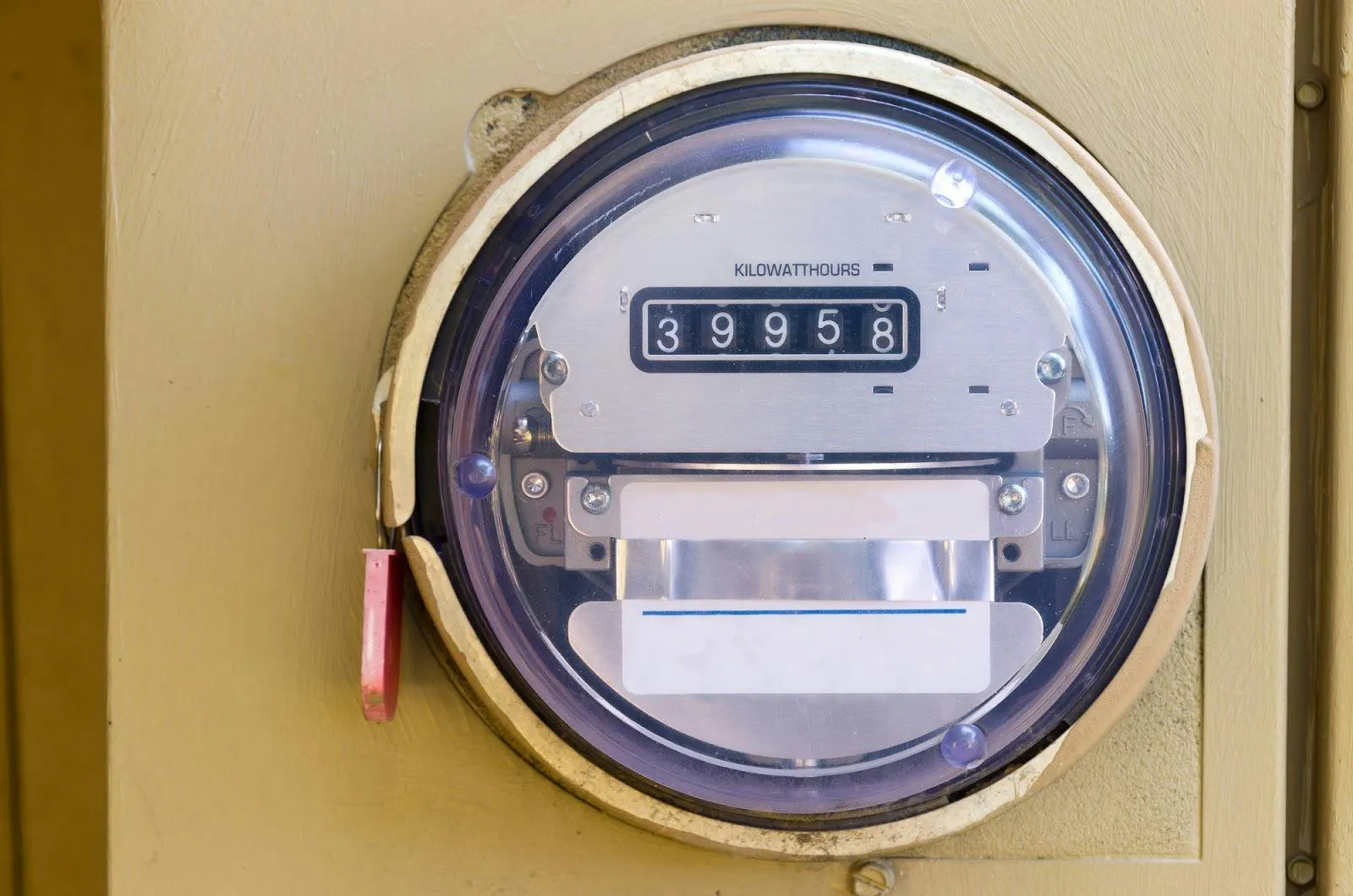
Why Is My Power Bill So High? Common Reasons Sydney Households Are Paying More
Rising electricity bills have become a growing concern for households across Sydney. Every billing cycle, more families are noticing their energy bill creeping up, often without any major change in how they live. The frustration usually starts when the bill is higher than expected, and homeowners begin to wonder what’s driving the increase. Understanding why your power bill is so high isn’t just about saving a few dollars; it’s about taking back control of your household energy usage. From hidden appliances quietly draining power to inefficient systems running overtime, there are several common reasons your bill might be higher than usual. By learning what causes these issues, Sydney homeowners can make smarter choices that lead to lower costs and a more efficient home.
Bright Choice Team16 February 2026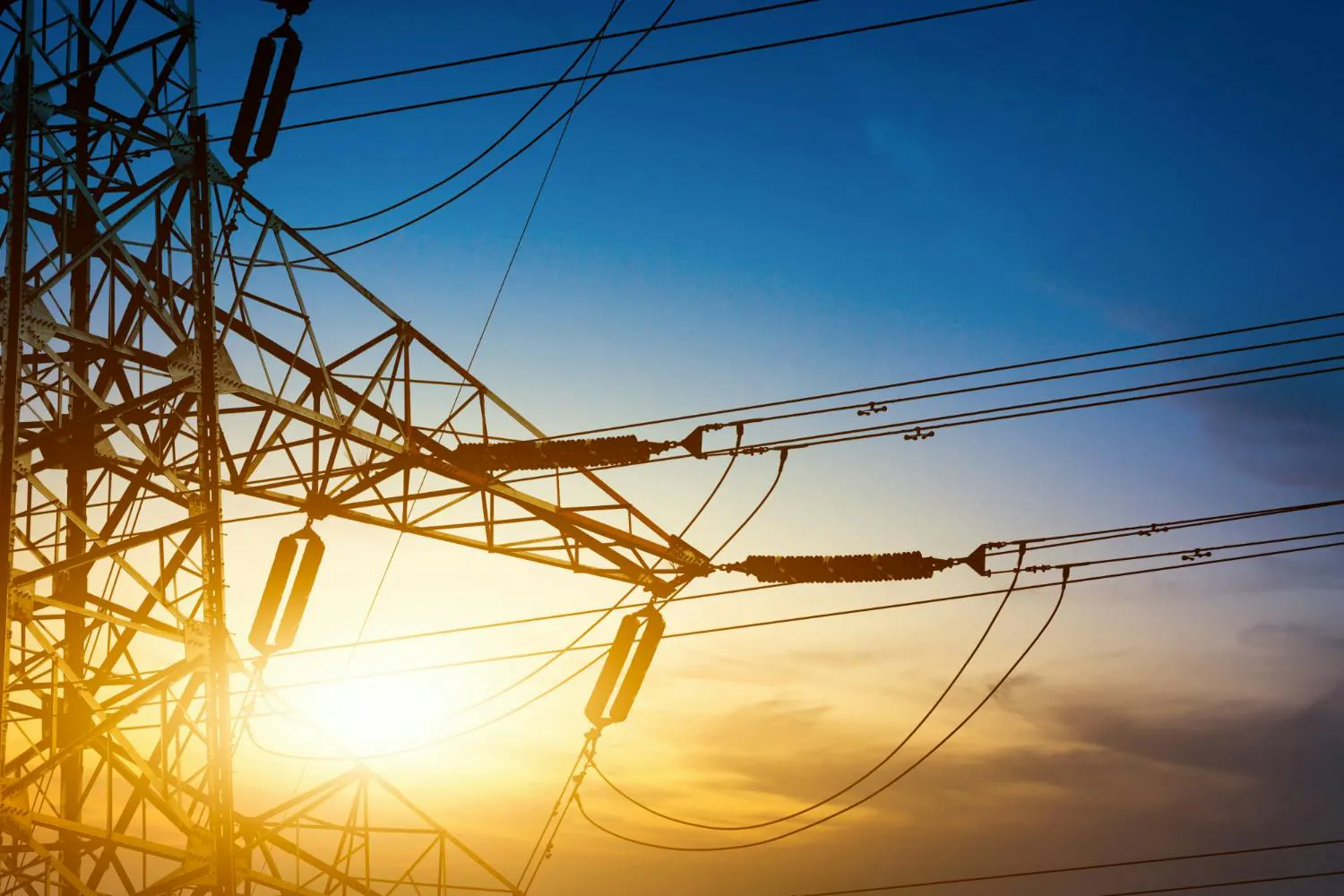
Benefits of Transitioning From Overhead Lines to Underground Power Lines
Do you remember the storm in 2009 with ice melting down power lines, leaving thousands in Melbourne without electricity for days? The culprit, as usual, was a maze of fragile overhead lines. This scene is common around the world and brings into sharp focus a pressing question: should we continue relying on exposed transmission poles, or is it time to embrace the new gold standard—underground power lines? This article will guide you through the world of underground power, from daily realities to the financials, the life-changing advantages, and practical steps for homes and businesses to make the leap. If you want cleaner streets, safer communities, and a more reliable electricity supply, read on to discover exactly why so many Australian cities are moving from poles to perfection. Understanding the full process behind underground power, and how the benefits of underground power outshine traditional overhead networks, is key for homeowners, businesses, and community planners. This comprehensive guide explains not just why underground power lines are becoming the future, but how Bright Choice Electrical can facilitate your smooth transition, every step from first planning to flawless connection.
Bright Choice Team18 August 2026
How Much Does EV Charger Installation Cost?
Buying the EV is the easy part. The real question most homeowners ask next is how much does EV charger installation cost, and the honest answer is that it depends on your home, your switchboard, and the charger you want installed. For homes across Sydney’s North Shore and Northern Beaches, most installations sit somewhere between a straightforward job and a more involved electrical upgrade. A simple install in a modern home with a compliant switchboard can be quite reasonable. An older property with limited capacity, a long cable run, or the need for added protection can cost more. The key is getting a licensed electrician to assess the site properly so you know what you’re paying for and why.
Bright Choice Team18 August 2026