
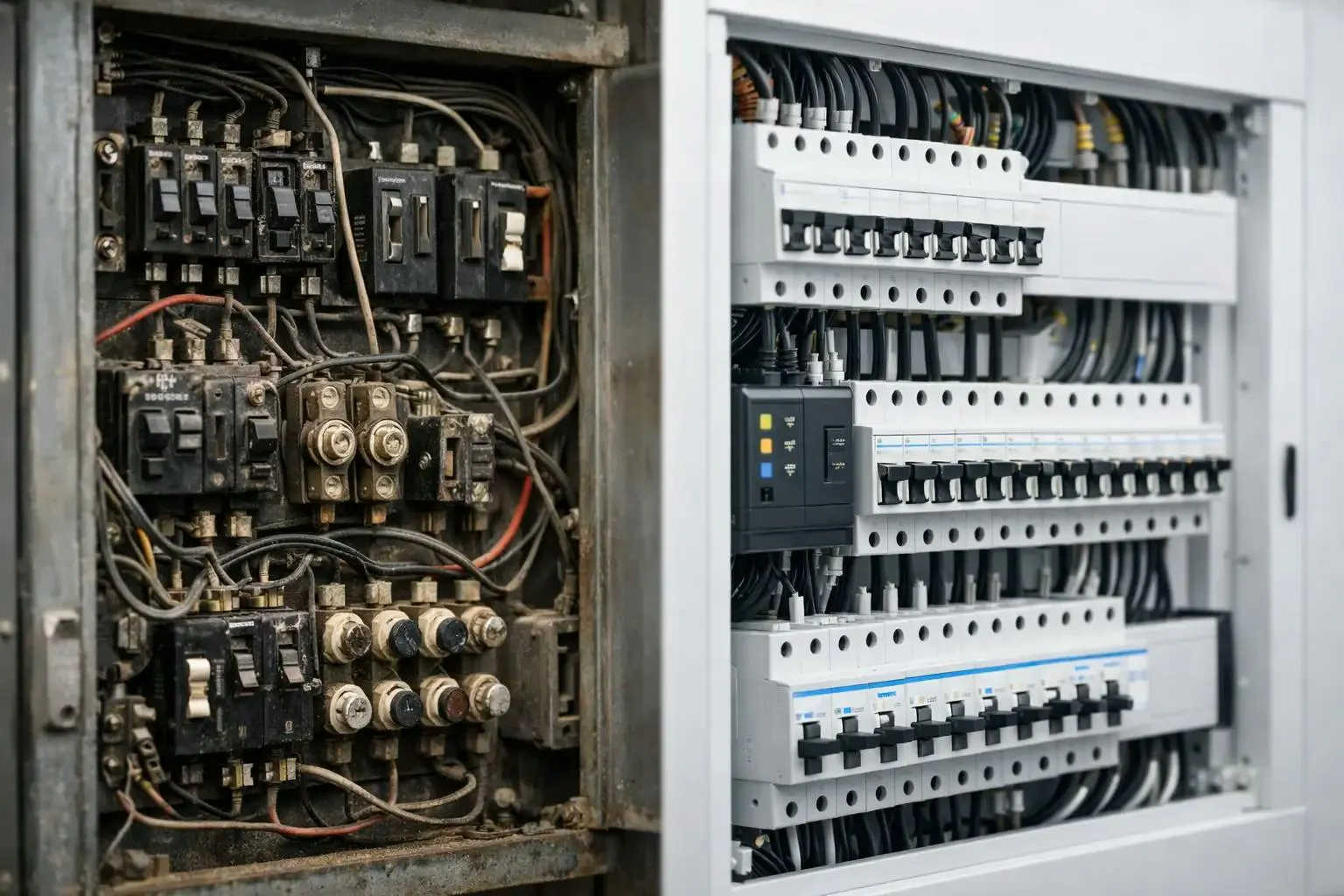
What a switchboard upgrade before and after really shows
The biggest change is usually protection. Older switchboards were built for a different era, when homes had fewer power-hungry appliances and lower overall demand. In many older properties, the switchboard may still function, but that does not mean it is providing the level of safety expected today.
Before an upgrade, you may have rewireable fuses, limited space, inconsistent circuit separation, and no residual current device protection on key circuits. After an upgrade, the board is generally fitted with modern circuit breakers and safety switches, with circuits properly identified and laid out so faults are easier to isolate.
That change matters in practical terms. If there is a fault on one circuit, you are less likely to lose power to half the property. If someone accidentally cuts into a cable or a faulty appliance creates a dangerous leakage current, a safety switch can disconnect power fast enough to reduce the risk of serious electric shock.
Common signs the “before” switchboard is no longer enough
Not every old switchboard needs immediate replacement, but there are warning signs that should not be ignored. Frequent tripping, flickering lights, warm or damaged components, buzzing noises, and visible age-related wear all suggest the board deserves a proper inspection.
In Sydney homes, another common trigger is renovation. Once you add a new kitchen, ducted air conditioning, a home office, electric hot water, or an EV charger, the original switchboard may no longer be suitable. The same applies to small commercial premises adding equipment, lighting, or extra power circuits.
Sometimes the issue is not failure. It is simply that the existing board is too limited for what the property now needs. That is where a licensed electrician can assess the current setup and advise whether a partial update or a full switchboard upgrade is the right move.
Before the upgrade: what electricians often find
The condition of the existing board can vary a lot. In some homes, the enclosure is intact but the protective devices are outdated. In others, there may be a mix of old and newer additions from years of patchwork electrical work.
A typical “before” situation may include ceramic fuses, little or no spare capacity, poor circuit labelling, exposed gaps, and cable organisation that makes future maintenance harder. Some boards also show signs of heat stress, corrosion, or non-compliant modifications. None of that automatically means the property is unsafe in every moment, but it can increase risk and make fault-finding far more difficult.
For landlords and business owners, there is also a compliance and liability angle. If a switchboard is visibly ageing or lacks modern protection, delaying an upgrade can become a bigger issue once faults start affecting tenants, staff, or customers.
After the upgrade: what changes for the property owner
The “after” result is easier to live with. The switchboard is typically neater, clearly labelled, and designed around the actual circuits serving the property. That means less guesswork when something trips and faster diagnosis if a fault occurs later.
You also gain protection that suits modern expectations. Safety switches help protect people. Circuit breakers help protect wiring and connected circuits. Where needed, surge protection or dedicated circuits may also be considered, depending on the property and the equipment being used.
There is a convenience factor too. If you are planning future improvements such as solar, battery storage, an EV charger, or a renovation, a modern switchboard puts you in a much better position. Rather than forcing workarounds later, the board can be designed with expansion in mind where practical.
Safety is the main reason, but not the only one
Most people first enquire about a switchboard upgrade because something has gone wrong. Power trips. Fuses blow. Lights dim. A new appliance cannot be connected properly. Those are all valid reasons to call an electrician, but the bigger value is prevention.
An upgraded switchboard reduces the chance of faults escalating unnoticed. It can also reveal underlying issues, such as overloaded circuits or poor previous workmanship, that might otherwise stay hidden until they cause a more serious problem.
That said, not every property needs the same scope of work. A smaller unit may only need improved protection and better circuit arrangement. A larger family home with major electrical additions may need a more substantial upgrade. It depends on the age of the board, the condition of the wiring, and what the property needs now and in the near future.
How the upgrade process usually works
A proper switchboard upgrade starts with assessment, not assumptions. A licensed electrician checks the existing installation, identifies any obvious defects or compliance concerns, and works out whether the board can be safely upgraded in its current location or whether associated work is needed.
From there, the proposed solution should be explained clearly. Good communication matters here because most property owners are not comparing breaker specifications. They want to know what is being replaced, why it is necessary, whether power will be off, and what the finished result means for safety and day-to-day use.
During the work, the old components are removed and the new board is installed with correctly selected protective devices and circuit identification. Once complete, testing is carried out to confirm the installation is operating as it should. A tidy finish matters too. A switchboard should not look like a rushed afterthought.
For customers who value punctuality, cleanliness, and straightforward advice, this is where the difference shows. Bright Choice Electrical approaches switchboard upgrades the way local clients expect – safely, clearly, and without turning the job into a mystery.
Why before and after photos matter
People often search for switchboard upgrade before and after examples because they want to know what they are actually paying for. That makes sense. Electrical work is not always visible once it is finished, so photos help show the practical improvement.
A good before and after comparison usually highlights three things. First, the older board often lacks modern safety devices. Second, the layout may be cluttered or inconsistent. Third, the upgraded board looks more orderly because it has been planned properly, not just patched together.
Still, appearances are only part of the story. A tidy switchboard is good, but the real value sits behind that finish – compliant installation, correct protection, proper testing, and a setup that is safer for the people using the property.
Is it worth upgrading if the old board still works?
In many cases, yes. “Still works” is not the same as “safe and suitable.” Plenty of older switchboards continue operating well past the point where they should be assessed for replacement. If the board has outdated protection, limited capacity, or visible deterioration, waiting until there is a serious fault is rarely the best plan.
There is also the question of future cost. A planned upgrade is usually less stressful than an urgent call-out after repeated power issues or a failed component. If you are already renovating or adding major electrical loads, dealing with the switchboard at the same time is often the more efficient option.
For homeowners, landlords, and small businesses across the North Shore and Northern Beaches, the best approach is simple. If your switchboard looks old, behaves unpredictably, or has not kept up with how the property uses power, have it checked by a licensed electrician.
A switchboard sits quietly in the background until it cannot keep up. When you look at a real switchboard upgrade before and after, the message is straightforward: better protection, better reliability, and fewer worries every time you turn something on.
Need a Licensed Electrician?
Get a fast, obligation-free quote for your switchboard upgrade today.
Related Articles
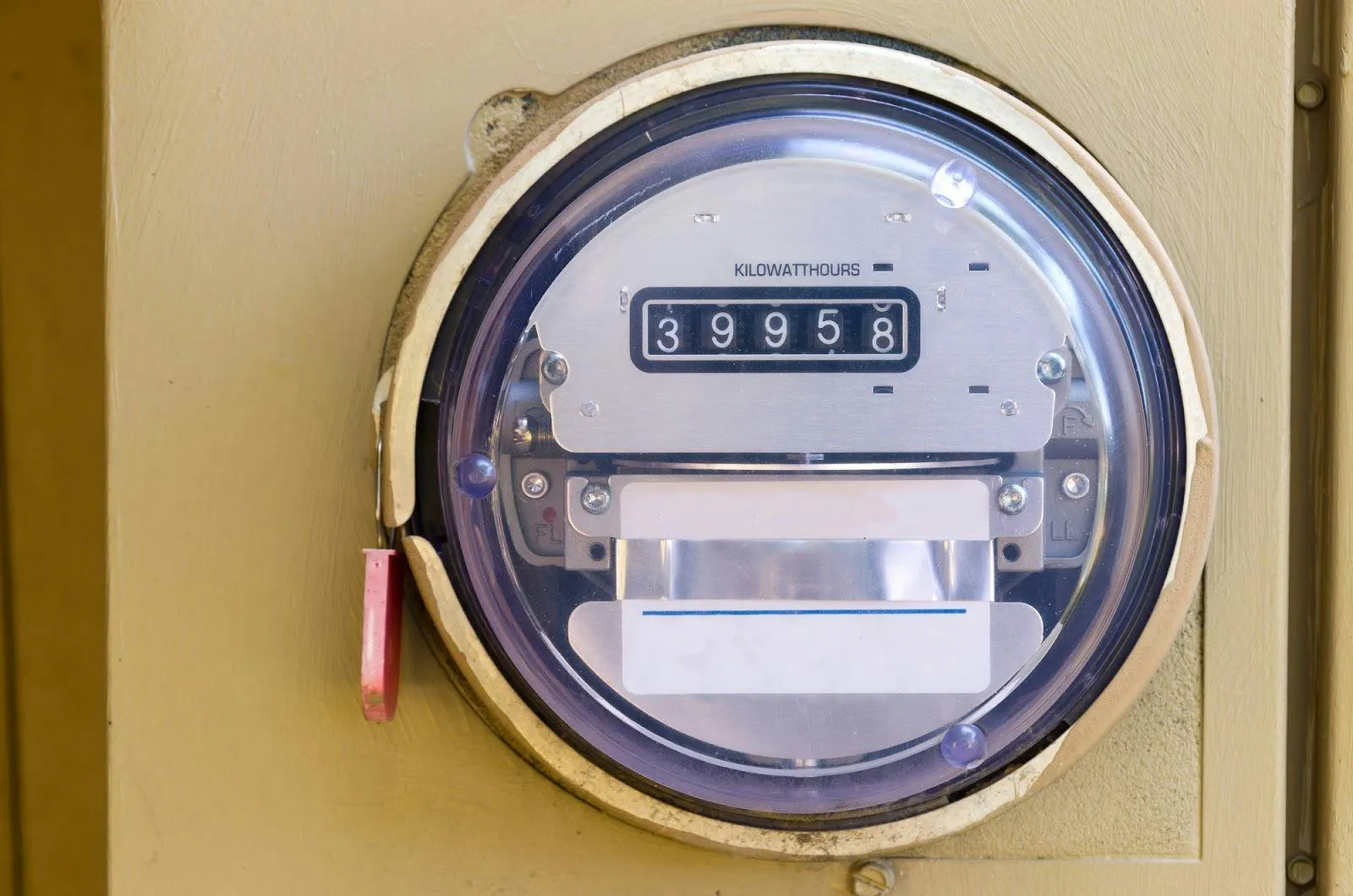
Why Is My Power Bill So High? Common Reasons Sydney Households Are Paying More
Rising electricity bills have become a growing concern for households across Sydney. Every billing cycle, more families are noticing their energy bill creeping up, often without any major change in how they live. The frustration usually starts when the bill is higher than expected, and homeowners begin to wonder what’s driving the increase. Understanding why your power bill is so high isn’t just about saving a few dollars; it’s about taking back control of your household energy usage. From hidden appliances quietly draining power to inefficient systems running overtime, there are several common reasons your bill might be higher than usual. By learning what causes these issues, Sydney homeowners can make smarter choices that lead to lower costs and a more efficient home.
Bright Choice Team16 February 2026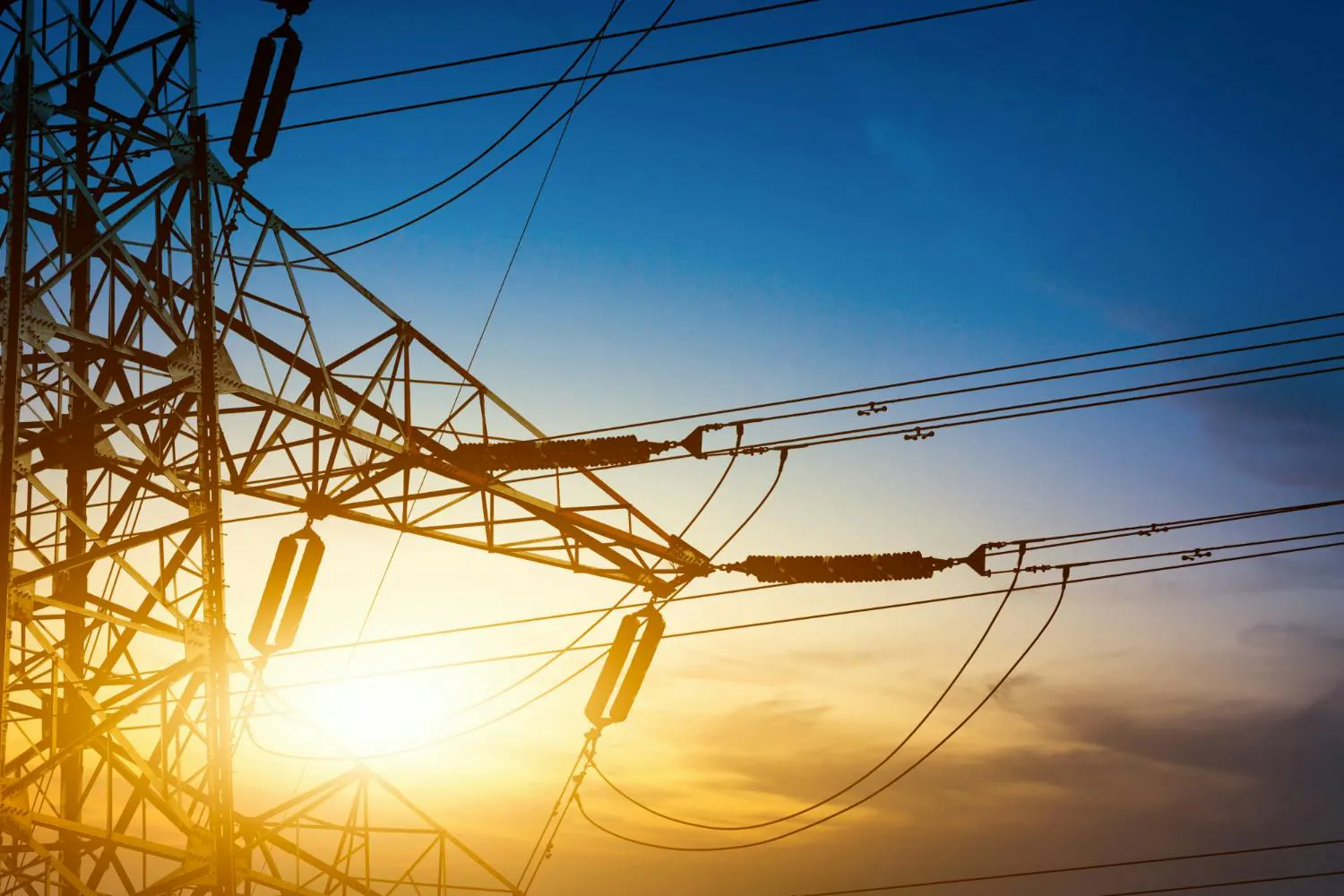
Benefits of Transitioning From Overhead Lines to Underground Power Lines
Do you remember the storm in 2009 with ice melting down power lines, leaving thousands in Melbourne without electricity for days? The culprit, as usual, was a maze of fragile overhead lines. This scene is common around the world and brings into sharp focus a pressing question: should we continue relying on exposed transmission poles, or is it time to embrace the new gold standard—underground power lines? This article will guide you through the world of underground power, from daily realities to the financials, the life-changing advantages, and practical steps for homes and businesses to make the leap. If you want cleaner streets, safer communities, and a more reliable electricity supply, read on to discover exactly why so many Australian cities are moving from poles to perfection. Understanding the full process behind underground power, and how the benefits of underground power outshine traditional overhead networks, is key for homeowners, businesses, and community planners. This comprehensive guide explains not just why underground power lines are becoming the future, but how Bright Choice Electrical can facilitate your smooth transition, every step from first planning to flawless connection.
Bright Choice Team18 August 2026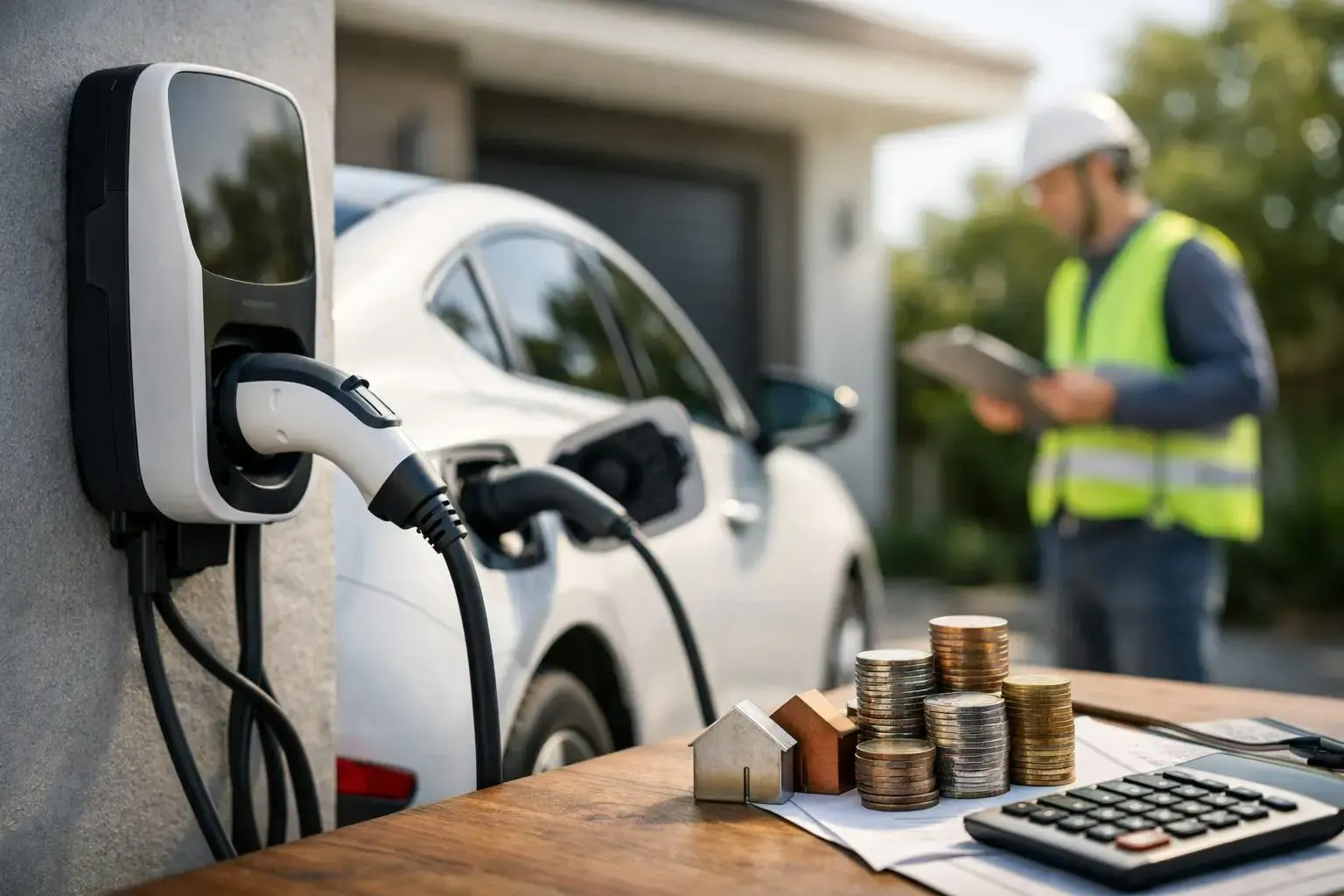
How Much Does EV Charger Installation Cost?
Buying the EV is the easy part. The real question most homeowners ask next is how much does EV charger installation cost, and the honest answer is that it depends on your home, your switchboard, and the charger you want installed. For homes across Sydney’s North Shore and Northern Beaches, most installations sit somewhere between a straightforward job and a more involved electrical upgrade. A simple install in a modern home with a compliant switchboard can be quite reasonable. An older property with limited capacity, a long cable run, or the need for added protection can cost more. The key is getting a licensed electrician to assess the site properly so you know what you’re paying for and why.
Bright Choice Team18 August 2026