
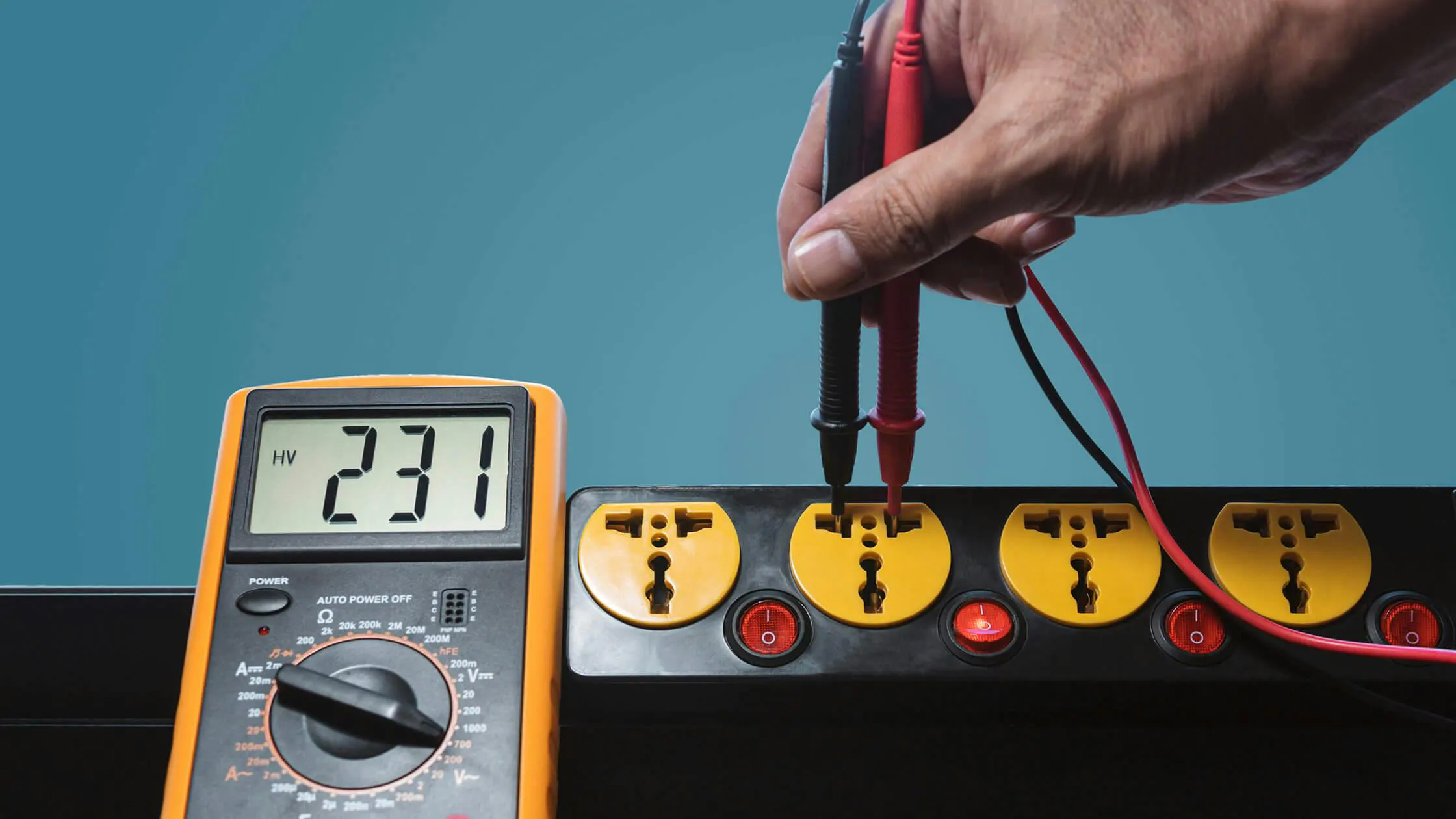
Why Do RCDs Matter?
RCDs are life saving safety switches that instantly disconnect power when they detect an imbalance in the electrical current, usually caused by a fault, shock hazard or electricity leaking to earth, acting fast to prevent electrocution or fire.
They’re found in switchboards, power sockets, and portable units, offering protection that circuit breakers and fuses alone can’t. RCDs are designed to protect people, which is important in shared environments like strata complexes, where a single fault can impact many residents.
Why RCDs Need Regular Testing
Like any safety device, they need regular checks to ensure they’re still working correctly. Environmental factors like dust, humidity, wiring faults, and general wear and tear can all affect how well an RCD performs. Some may trip too slowly or not at all, while others may become overly sensitive, leading to nuisance power outages that frustrate residents.
Routine testing catches these problems early. Electrical faults are a leading cause of house fires across Australia, many of which are preventable. Proactive RCD checks offer a low cost, high impact way to protect both residents and property.
Strata Specific Electrical Risks
Electrical systems are often hidden away and out of mind in many strata buildings, with switchboards commonly found in locked service rooms or shared cupboards. Over time, systems can become overloaded, wiring can degrade, and insulation can wear out.
That’s where RCD testing comes in. It’s one of the most effective ways to bring older systems up to modern safety standards without the need for a full electrical overhaul. Meaning fewer emergencies, smoother insurance processes, and safer homes for residents, giving building managers peace of mind.
Compliance and Legal Responsibilities
Australian RCD compliance is regulated under AS/NZS 3760:2022, with each state and territory enforcing specific rules. Non-compliance can lead to serious consequences, especially if an incident occurs and testing hasn’t been maintained.
Testing requirements can vary based on building use, age, and shared facilities. Residential areas typically follow standard intervals, but spaces like communal laundries, outdoor outlets, or mixed use ground floor areas may fall under higher risk categories requiring more frequent checks.
General guidelines include:
- Push button tests: Every 3–6 months
- Trip time tests (specialised equipment): Annually
- Higher risk zones: Monthly or quarterly testing may be required
- Only licensed electricians or qualified technicians can perform these tests
- Records must include: test dates, outcomes, technician name, and next due date
Not sure where your property stands? A licensed electrician can assess your setup and help develop a compliance plan tailored to your building’s risk profile and local requirements.
Benefits Beyond Compliance
Staying compliant is one thing, but regular RCD testing delivers far more than ticking boxes:
Prevent Fires – Old wiring and ageing switchboards are major fire risks. RCD testing, especially when paired with thermographic scanning, helps detect faults or overheating before things get dangerous.
Lower Insurance Risk – Many strata insurers now expect proactive electrical maintenance. Staying on top of testing, documentation can reduce your risk profile, help during claims, or even lower premiums.
Fewer Disruptions – Regular testing improves reliability and minimises unexpected outages, making life easier for tenants and avoiding late night callouts for building managers.
Build Trust – A proactive approach to safety builds trust with tenants and owners. It reflects professionalism and can make your property more appealing to buyers, renters, and committee members alike.
Don’t Wait for an Emergency
Electrical hazards don’t come with warnings, one issue can quickly escalate. RCD testing should be treated as an essential maintenance task.
The team at Bright Choice Electrical specialises in strata electrical safety, from routine testing to thermographic scans and full system upgrades. We’ll help you meet your legal obligations, reduce risks, and keep your building running safely and smoothly.
Need a Licensed Electrician?
Get a fast, obligation-free quote for your switchboard upgrade today.
Related Articles
Why Is My Power Bill So High? Common Reasons Sydney Households Are Paying More
Rising electricity bills have become a growing concern for households across Sydney. Every billing cycle, more families are noticing their energy bill creeping up, often without any major change in how they live. The frustration usually starts when the bill is higher than expected, and homeowners begin to wonder what’s driving the increase. Understanding why your power bill is so high isn’t just about saving a few dollars; it’s about taking back control of your household energy usage. From hidden appliances quietly draining power to inefficient systems running overtime, there are several common reasons your bill might be higher than usual. By learning what causes these issues, Sydney homeowners can make smarter choices that lead to lower costs and a more efficient home.
Bright Choice Team16 February 2026
Benefits of Transitioning From Overhead Lines to Underground Power Lines
Do you remember the storm in 2009 with ice melting down power lines, leaving thousands in Melbourne without electricity for days? The culprit, as usual, was a maze of fragile overhead lines. This scene is common around the world and brings into sharp focus a pressing question: should we continue relying on exposed transmission poles, or is it time to embrace the new gold standard—underground power lines? This article will guide you through the world of underground power, from daily realities to the financials, the life-changing advantages, and practical steps for homes and businesses to make the leap. If you want cleaner streets, safer communities, and a more reliable electricity supply, read on to discover exactly why so many Australian cities are moving from poles to perfection. Understanding the full process behind underground power, and how the benefits of underground power outshine traditional overhead networks, is key for homeowners, businesses, and community planners. This comprehensive guide explains not just why underground power lines are becoming the future, but how Bright Choice Electrical can facilitate your smooth transition, every step from first planning to flawless connection.
Bright Choice Team18 August 2026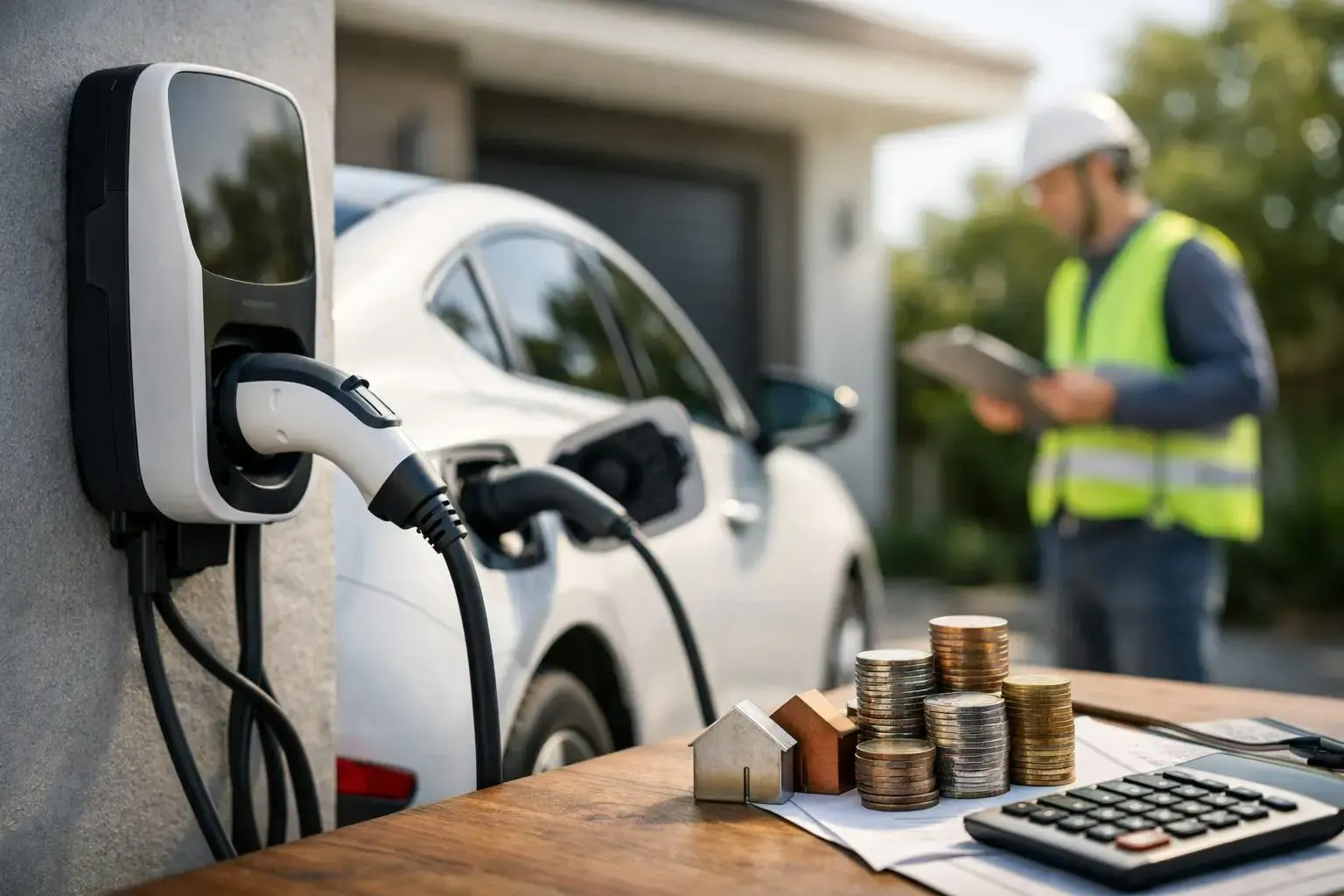
How Much Does EV Charger Installation Cost?
Buying the EV is the easy part. The real question most homeowners ask next is how much does EV charger installation cost, and the honest answer is that it depends on your home, your switchboard, and the charger you want installed. For homes across Sydney’s North Shore and Northern Beaches, most installations sit somewhere between a straightforward job and a more involved electrical upgrade. A simple install in a modern home with a compliant switchboard can be quite reasonable. An older property with limited capacity, a long cable run, or the need for added protection can cost more. The key is getting a licensed electrician to assess the site properly so you know what you’re paying for and why.
Bright Choice Team18 August 2026